


What Is Social Proof in Word of Mouth Marketing?
Social proof in word-of-mouth marketing refers to any visible evidence that shows people trust, use, and recommend a product or service. This can include customer reviews, ratings, testimonials, user-generated photos or videos, influencer mentions, and engagement on social media platforms. These signals help potential customers gauge credibility and popularity by showing how others have interacted with the brand. When people see real users sharing positive experiences, it reduces doubt, builds trust, and influences purchasing decisions—making social proof a critical driver of effective word-of-mouth marketing.
Think of it as the online version of seeing a packed restaurant and assuming the food must be good.
Word of mouth marketing enhances this effect by encouraging your customers to share their own stories and experiences. This builds trust and satisfies two core human desires:
- Belonging — We want to do what others do
- Trust — We believe people more than brands
Before buying something online, chances are you’ve read reviews, asked friends, or checked ratings. That’s social proof in action.
Why Social Proof Makes WOM Marketing More Powerful
Social proof feels real because it is rooted in authentic human behaviour and shared experiences. Unlike traditional advertising, which is designed to persuade and often feels scripted or biased, social proof emerges naturally from people talking about what they’ve actually used, felt, or achieved. These stories carry emotional weight, context, and credibility, making them far more relatable than promotional messages. When people hear recommendations, reviews, or firsthand experiences from others—especially those they trust or identify with—it reduces perceived risk and builds confidence in decision-making. This sense of collective validation is what makes social proof such a powerful force in word-of-mouth (WOM) marketing, as people are more likely to trust and act on what others genuinely say than on what brands claim about themselves.
Key Benefits:
- Builds Trust: Recommendations are 12x more trusted than brand messages
- Reduces Resistance: People don’t “tune out” their friends
- Creates Emotional Bonds: Personal stories are more impact-full than product features
- Lowers Risk: Seeing others succeed with your product makes new customers feel safer
Types of Social Proof That Boost WOM Marketing
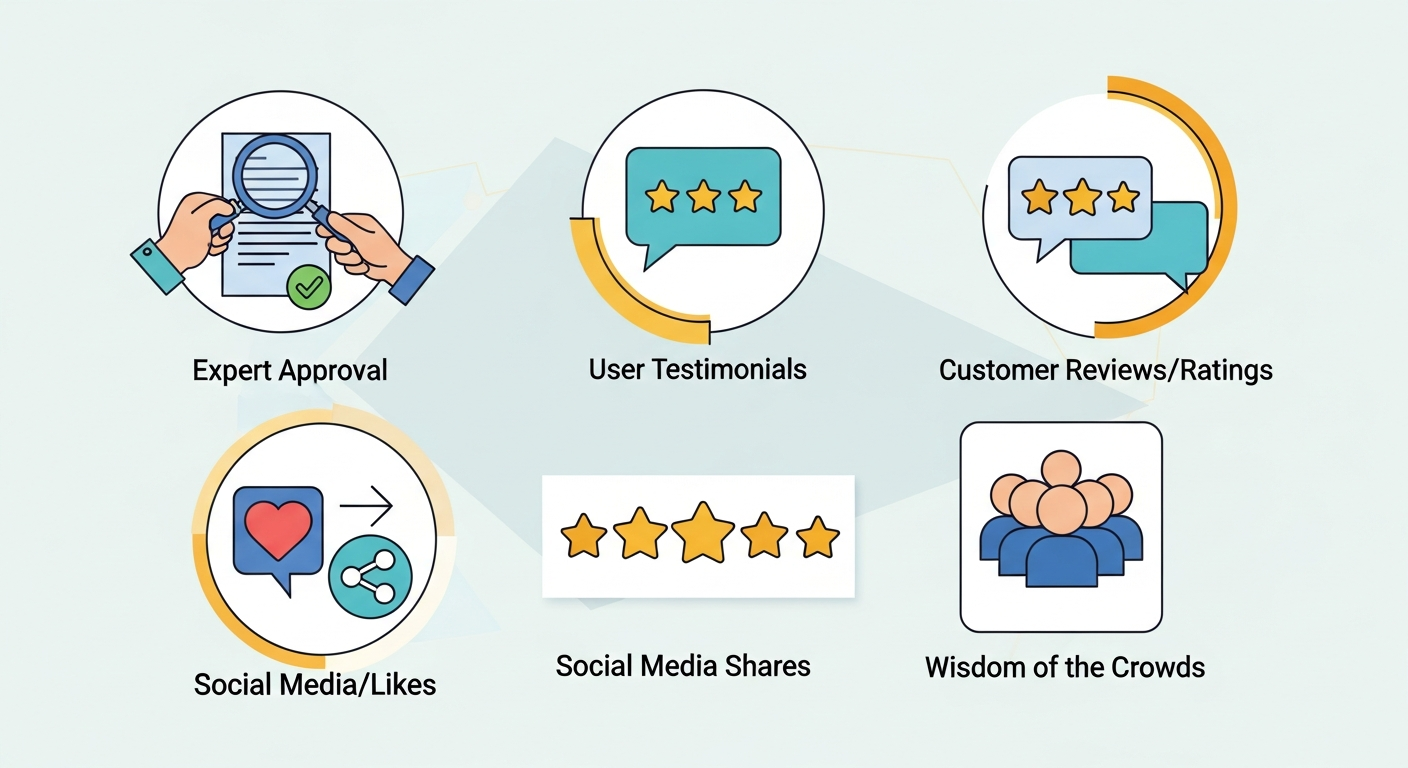
Not all social proof is equal. Here are the most effective kinds and how to use them:
Customer Reviews and Testimonials
Customer reviews and testimonials are a powerful trust-building tool because they are detailed, authentic, and specific. They provide real-world insights into customer experiences, highlight tangible benefits, and address common concerns, helping potential customers make confident, informed decisions.
How to Use:
- Highlight review quotes on your website
- Add share buttons to review pages
- Include reviews in emails
- Repurpose reviews into social posts or graphics
User-Generated Content (UGC)
Photos, videos, or posts created by actual customers carry powerful authenticity.
How to Encourage UGC:
- Launch branded hashtags
- Run photo or video contests
- Feature customer content on your channels
- Offer small incentives for submissions
Influencer Partnerships
Micro-influencers (1,000–100,000 followers) often deliver higher engagement and stronger trust than larger influencers.
Best Practices:
- Choose influencers aligned with your brand values
- Target creators your audience already follows
- Focus on authenticity, not just reach
Social Media Engagement
Likes, shares, comments, and mentions are all real-time social proof signals.
How to Boost Engagement:
- Reply to every comment
- Ask questions and run polls
- Share behind-the-scenes moments
- Encourage user interaction
Quick-Start Tactics for Leveraging Social Proof

You don’t need a massive budget. Here are some simple ways to get started right now:
Create a Customer Story Harvester
- Send post-purchase emails asking for feedback
- Offer a quick submission form for testimonials
- Monitor brand mentions on social media
- Keep a spreadsheet of collected stories and sort by theme
Make Sharing Effortless
- Add social share buttons to thank-you pages
- Send pre-written tweets/posts via email
- Create quote-based images for sharing
- Provide customers with unique referral links
Show Off Your Social Proof
Make sure your best stories are impossible to miss.
- Feature reviews/testimonials on homepage and product pages
- Use customer photos in email campaigns
- Create a dedicated testimonials or “Success Stories” page
Respond to All Comments and Reviews
Engagement builds trust. Respond to everyone, even critics.
Response Tips:
- Thank users for positive comments
- Address negative feedback with professionalism
- Ask thoughtful follow-up questions
- Share the best responses on social media (with permission)
Telling Authentic Stories That Build Trust
Real customer stories are more persuasive than polished ads. Look for narratives that reveal:
- Who the customer is
- What challenge they faced
- How your product helped
- What changed for them after using it
Sharing Tips:
- Use the customer’s exact words
- Add images or short videos
- Mention tangible results
- Tag the customer if possible (and get consent)
Get Permission Before Sharing
Always ask before publishing a customer’s story. Make it easy for them to say yes:
- Tell them how the story will be used
- Let them know where it will be shared
- Be transparent — there’s no obligation or reward, just exposure
How to Measure Your WOM Social Proof Strategy
Tracking performance helps you optimize over time. Monitor both activity and impact.
Engagement Metrics:
- Number of stories collected
- UGC submitted
- Social shares and engagement
- Referral traffic from customers
Business Results:
- Conversions on pages with social proof
- Customer acquisition cost
- Customer lifetime value
- Net Promoter Score (NPS)
Helpful Tools:
- Google Analytics for traffic and conversions
- Publer or social platform analytics
- Review platforms for sentiment trends
- Customer surveys for NPS and feedback
How Social Proof Influences Buying Decisions at Every Stage of the Customer Journey
Social proof plays a critical role throughout the entire customer journey, from initial awareness to final purchase and long-term loyalty. At the awareness stage, potential customers are often encountering your brand for the first time and are looking for signals that validate your credibility. Reviews, social media mentions, and influencer content help establish legitimacy and spark interest by showing that others already trust and engage with your brand.
As prospects move into the consideration stage, social proof becomes even more influential. Detailed testimonials, case studies, and user-generated content provide reassurance by answering common questions and reducing uncertainty. Seeing how others have benefited from your product or service helps prospects visualize their own success and builds emotional connection. At the decision stage, strong social proof such as star ratings, customer stories, and peer recommendations can be the final factor that pushes someone to convert. Even after the purchase, continued exposure to positive reviews and community engagement reinforces satisfaction, encourages repeat purchases, and fuels ongoing word-of-mouth sharing.
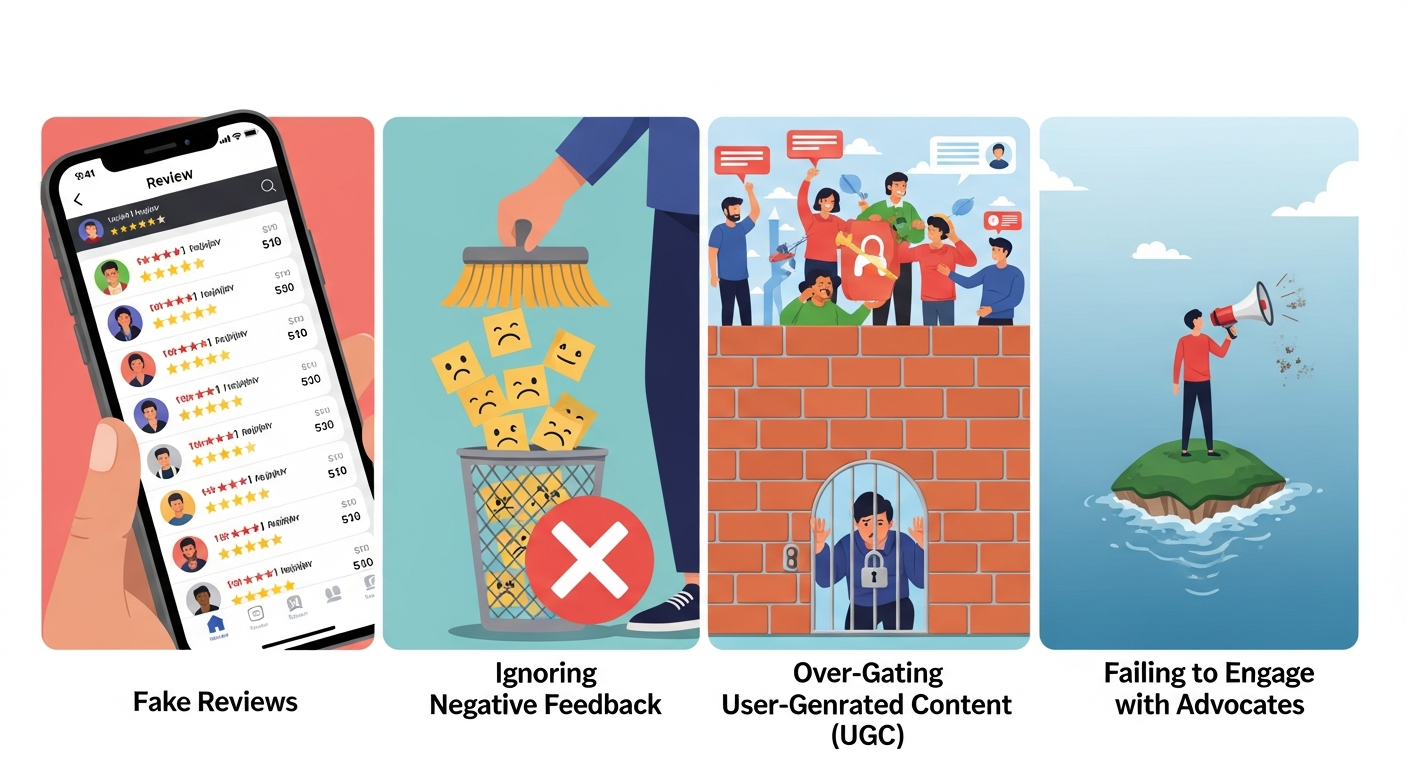
Mistakes to Avoid in WOM Social Proof Marketing
Advanced Strategies for Growth
Once you’ve mastered the basics, go further with these high-impact ideas:
Create a Customer Advocate Program
- Reward your biggest fans
- Give them early access or VIP perks
- Equip them with content to share
- Ask for feedback and feature them in your marketing
Use Video Testimonials
- Keep them short (30–60 seconds)
- Highlight emotional moments
- Use clean visuals and good audio
- Add subtitles for accessibility
Optimize Reviews for SEO
- Add review snippets to meta descriptions
- Use schema markup for structured data
- Encourage keyword-rich reviews
- Build pages based on topics or common feedback
The Psychology Behind Why Word-of-Mouth and Social Proof Work So Well
The effectiveness of word-of-mouth marketing combined with social proof is deeply rooted in human psychology. People are naturally influenced by the behaviour and opinions of others, especially in situations involving uncertainty or risk. This phenomenon, known as social validation, helps individuals feel more confident that they are making the “right” choice by following the actions of others.
Trust also plays a central role. Consumers are more likely to believe recommendations from peers, friends, or relatable individuals than from brands promoting themselves. Social proof taps into this trust by presenting real experiences rather than polished marketing messages. Additionally, emotional storytelling activates empathy, making messages more memorable and persuasive. When customers see people like themselves succeeding with a product, it lowers resistance and increases the likelihood of action, making social proof one of the most powerful drivers of modern purchasing behaviour.
How to Optimize Social Proof for SEO and Long-Term Organic Growth

Social proof doesn’t just influence human behavior — it also plays a valuable role in search engine optimization. Customer reviews, testimonials, and user-generated content create fresh, keyword-rich content that search engines value. When customers naturally mention product features, benefits, and use cases in their own words, it expands your semantic keyword footprint and improves relevance for long-tail search queries.
Search engines also reward trust signals. High review volumes, consistent brand mentions, and strong engagement across platforms can indirectly support better rankings by improving click-through rates and dwell time. Structured data markup for reviews allows search engines to display rich snippets, such as star ratings, which can significantly increase visibility and clicks from search results. Over time, consistently showcasing authentic social proof helps build authority, strengthens brand reputation, and supports sustainable organic traffic growth.
Final Thoughts: Action Your Social Proof Strategy
Social proof and word-of-mouth marketing aren’t just one-off campaigns — they’re a long-term mindset. Rather than constantly broadcasting your own message, the real impact comes from amplifying the voices of your customers and letting their experiences lead the conversation.
Start small and stay focused. Choose one or two tactics from this guide and put them into action this week. As you build confidence and see results, gradually layer in additional strategies that align with your brand — always prioritizing authenticity over scale.
The most successful brands don’t just sell products or services. They cultivate communities of advocates who genuinely believe in what they offer and are excited to share their stories with others.
Let your customers speak. Trust their voices. And allow their experiences to drive sustainable growth for your brand.
FAQ About WOM and Social Proof Marketing
What is the difference between word-of-mouth marketing and social proof?
Word-of-mouth marketing focuses on customers actively sharing their experiences and recommendations with others, often through conversations, referrals, or online sharing. Social proof refers to the visible evidence of those experiences, such as reviews, ratings, testimonials, and social media engagement. Together, they work to reinforce trust and influence purchasing decisions.
Is social proof effective for small businesses and startups?
Yes, social proof is especially powerful for small businesses because it levels the playing field. Authentic reviews, customer stories, and community engagement can build trust faster than expensive advertising campaigns. Even a small number of genuine testimonials can significantly impact credibility and conversions.
How long does it take to see results from WOM social proof marketing?
Results can vary depending on consistency and execution. Some businesses see immediate improvements in engagement and conversions after adding reviews or testimonials, while long-term benefits such as increased brand authority and organic traffic build over time. WOM marketing is cumulative, meaning its impact grows as more customers share their experiences.
Can negative reviews hurt my word-of-mouth marketing efforts?
Negative reviews don’t necessarily hurt your brand if handled correctly. Responding professionally and thoughtfully shows transparency and accountability, which can actually strengthen trust. Many consumers view a mix of positive and negative feedback as more credible than flawless ratings.
What types of social proof convert best?
Highly specific and relatable social proof tends to convert best. Detailed testimonials, before-and-after stories, user-generated photos or videos, and recommendations from trusted peers or micro-influencers often outperform generic endorsements because they feel more personal and believable.


