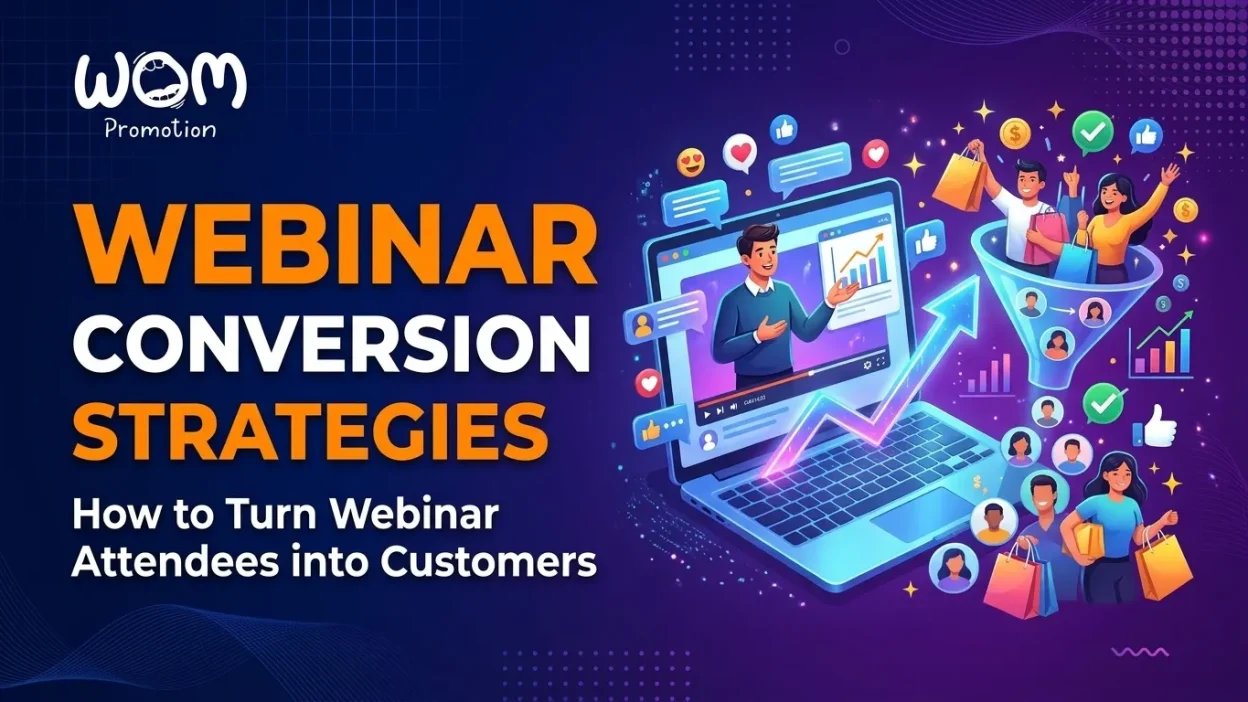
Webinars have become one of the most effective ways for businesses to educate their audiences, build trust, generate qualified leads, and increase sales. However, hosting a webinar does not automatically guarantee business growth. The real success comes from converting registered participants and attendees into paying customers. Effective webinar conversion strategies focus on understanding audience needs, creating valuable content, improving registration experiences, maintaining engagement, and presenting compelling calls to action. In this guide, we will explore practical ways to optimize every stage of your webinar marketing funnel and turn more attendees into loyal customers.
Webinar Conversion Optimization
Webinar conversion optimization is the process of improving every element of a webinar to encourage participants to take meaningful actions. These actions may include purchasing a product, booking a consultation, signing up for a service, or requesting additional information. Businesses should not focus only on the number of people attending a webinar. Instead, they should measure how effectively the event moves potential customers toward a purchase decision. Successful webinar conversion strategies begin with a clear understanding of the target audience and the specific problems they want to solve.
The first step is to establish a measurable conversion goal before planning the webinar. For example, a software company may want attendees to register for a free trial, while a marketing agency may aim to generate consultation bookings. Once the goal is clear, businesses can design their presentations, promotional materials, and follow-up campaigns around that objective. Every section of the webinar should support the audience’s journey toward the desired action.
Another important factor is presentation quality. A professional presentation with clear explanations, relevant examples, and useful information helps establish credibility. Instead of making the entire webinar promotional, businesses should focus on educating participants and demonstrating how their solutions address real challenges. This approach creates trust and makes the final sales message feel more natural. Companies should also analyze webinar performance regularly. Tracking registration numbers, attendance rates, engagement levels, clicks, and purchases helps identify areas that need improvement. By testing different presentation styles, offers, and calls to action, marketers can continuously improve their webinar performance and achieve better results.
Webinar Marketing Strategies
Effective webinar marketing strategies help businesses attract the right audience before the event begins. Even an excellent presentation cannot generate strong results if the target audience does not know about it. Therefore, promotion should begin several weeks before the scheduled webinar. Businesses can use email marketing, social media platforms, website content, paid advertising, and partnerships to reach people who are genuinely interested in the topic.
Email marketing is particularly useful because it allows businesses to communicate directly with existing subscribers and potential customers. A well-written invitation should explain what participants will learn, who should attend, and why the information is valuable. Rather than using generic promotional messages, marketers should highlight specific benefits that address the audience’s challenges.
Social media promotion is another effective approach. Businesses can publish short videos, educational posts, speaker introductions, and discussion questions to generate interest. A well-planned social media video marketing strategy can help increase awareness and encourage more people to register for upcoming webinars. Short promotional videos are especially useful because they communicate the event’s value quickly and create a personal connection with potential attendees. Webinar promotion should also maintain consistent messaging across different channels. The webinar title, landing page, promotional emails, and social media advertisements should communicate the same central benefit. When audiences understand what they will gain from attending, they are more likely to register and participate.
Webinar Lead Generation Techniques
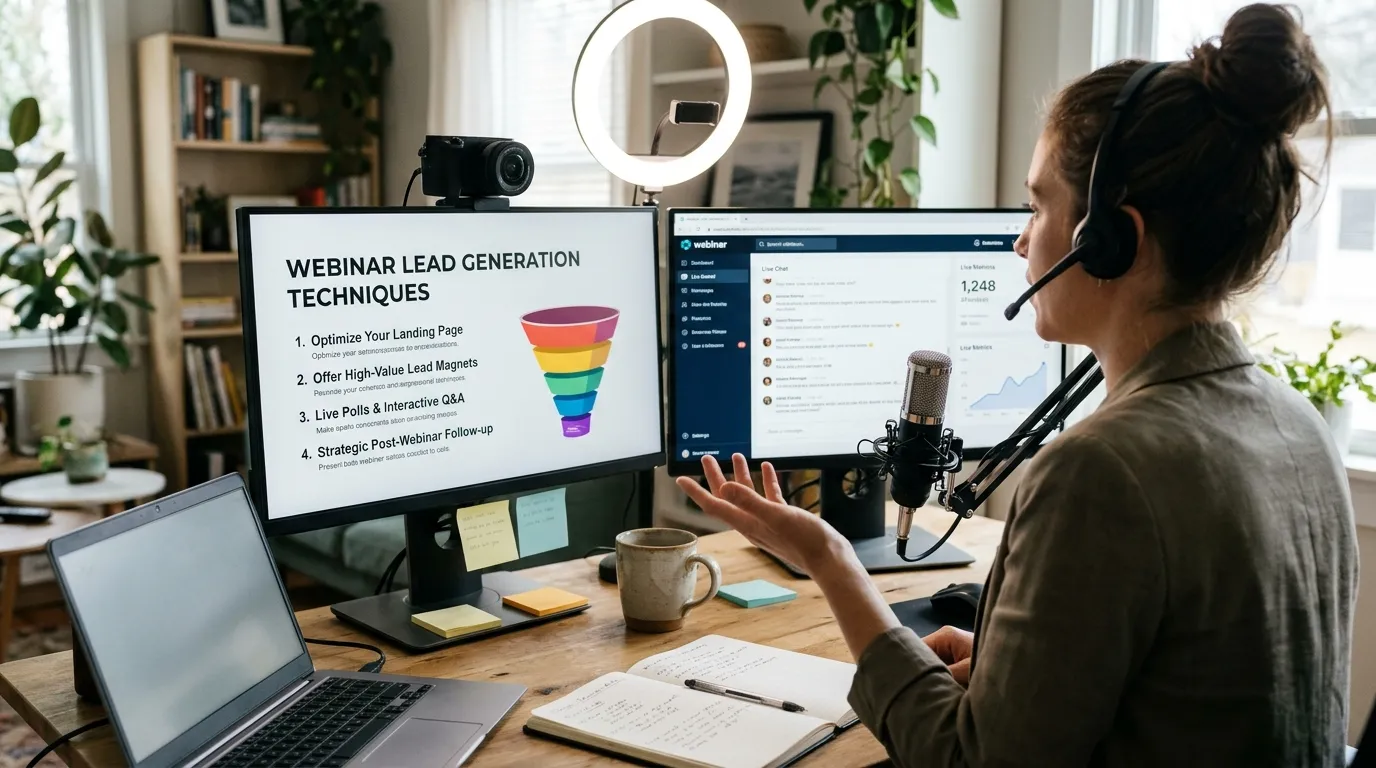 Lead generation is one of the primary reasons businesses organize webinars. A webinar provides an opportunity to attract people who are interested in a particular subject and introduce them to relevant products or services. However, generating a large number of leads is not enough. Businesses need to attract qualified prospects who have a genuine interest in their solutions. Effective webinar conversion strategies combine valuable educational content with a clear lead generation process.
The registration form is usually the first point of contact between the business and a potential attendee. Companies should collect essential information such as names and email addresses without making the process unnecessarily complicated. Depending on the webinar’s purpose, marketers may also ask about industry, company size, or specific business challenges. These details help segment leads and create more personalized follow-up campaigns.
Offering valuable resources can also improve lead generation. For example, businesses can provide downloadable guides, templates, industry reports, or exclusive demonstrations to encourage registration. These resources should directly relate to the webinar topic so that participants receive meaningful value even before attending the event. Another useful approach is to create educational content that supports the webinar. Blog posts, case studies, and customer success stories can attract organic traffic and introduce visitors to the registration page. Businesses can also build credibility by publishing customer reviews and testimonials, allowing potential attendees to understand how existing customers have benefited from their products or services. Combining educational content with targeted registration campaigns can create a consistent flow of qualified leads.
Webinar Registration Optimization
Webinar registration optimization focuses on making it easier for interested visitors to sign up for an event. A complicated registration process can discourage potential participants, even when they are genuinely interested in the topic. Businesses should therefore create simple, informative, and conversion-focused landing pages that communicate the webinar’s value immediately. The landing page headline should clearly describe the subject and explain what attendees can expect to learn. A strong headline addresses a specific problem or desired outcome rather than simply announcing that a webinar is available. The page should also include the speaker’s credentials, event date, duration, key learning outcomes, and a visible registration button.
Registration forms should remain short and user-friendly. Asking for too much information at the beginning can reduce completion rates. Businesses should collect only the details they need to manage registrations and personalize communication. Additional information can be gathered later through surveys or follow-up conversations. Mobile optimization is equally important because many people discover and register for webinars through smartphones. Landing pages should load quickly, display correctly on different screen sizes, and provide easy-to-use forms. Testing different headlines, button text, page layouts, and form lengths can help identify which elements produce the best results. A confirmation email should be sent immediately after successful registration. This message should include the webinar date, joining instructions, calendar information, and an overview of what participants will learn. These small improvements make the registration experience more professional and help reduce confusion before the event.
Webinar Audience Engagement Strategies
Audience engagement plays a major role in determining whether attendees remain interested throughout a webinar. Participants are more likely to remember a presentation when they actively contribute rather than simply listen to a speaker for an extended period. Strong webinar conversion strategies therefore include interactive elements that encourage communication and participation. Polls are one of the easiest ways to increase engagement. Speakers can ask participants about their current challenges, preferences, or experiences related to the webinar topic. The responses provide useful insights while making attendees feel involved in the discussion. Live question-and-answer sessions are also valuable because they allow participants to receive answers to specific concerns.
Storytelling can make educational presentations more interesting. Instead of presenting only statistics and theoretical explanations, speakers should use real-world examples, customer experiences, and practical demonstrations. These elements help participants understand how a particular solution works in real situations. Another effective technique is to divide the presentation into smaller sections. Long presentations without interaction can cause attendees to lose concentration. Speakers should introduce questions, short discussions, demonstrations, and visual examples throughout the event. They should also encourage participants to share their opinions through the chat feature. Personal interaction can create a stronger relationship between businesses and potential customers. When attendees feel that their questions and concerns are being addressed, they become more comfortable considering the company’s products or services. This trust can have a positive impact on future conversions.
Webinar Sales Funnel Optimization
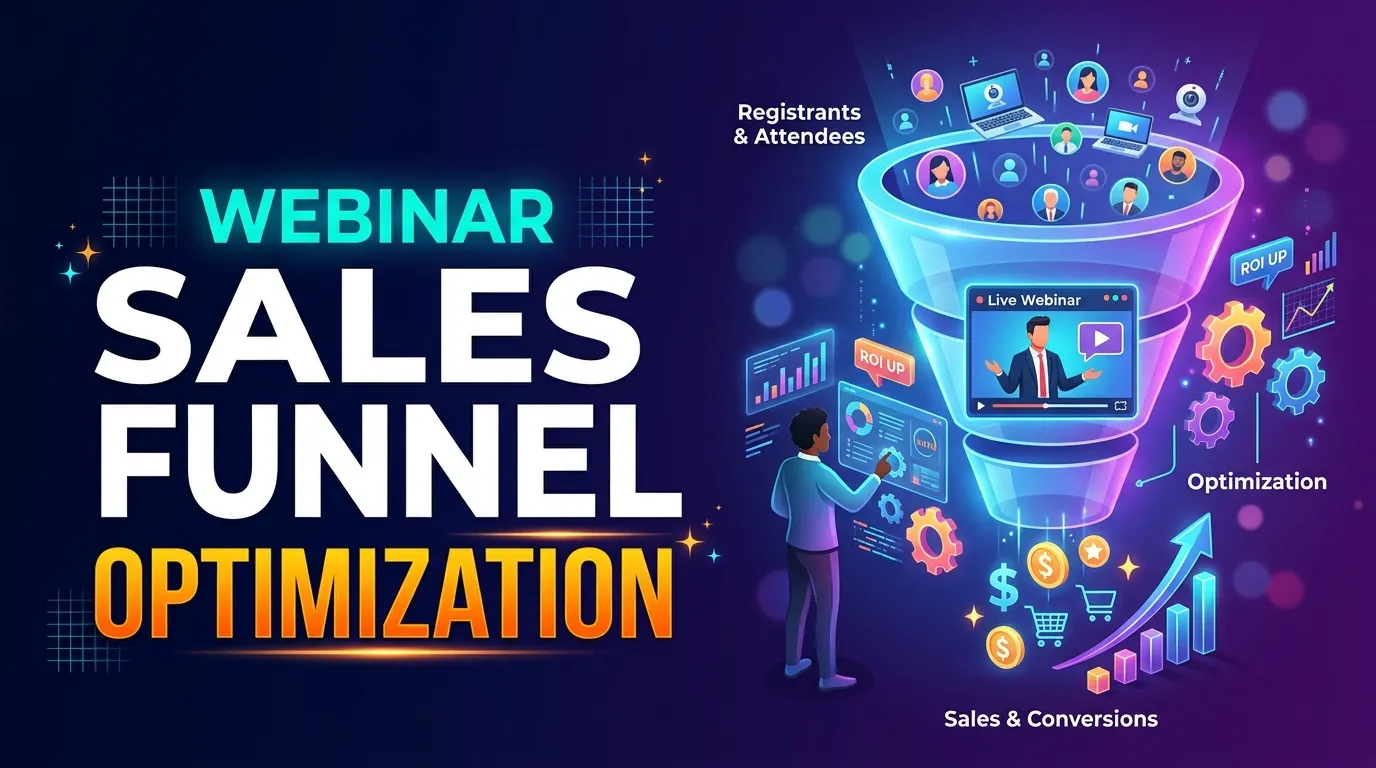 A webinar sales funnel describes the journey people take from discovering an event to becoming paying customers. The process generally begins with promotional activities, followed by registration, attendance, engagement, follow-up communication, and the final purchase decision. Each stage should be designed to guide potential customers toward the next step. The awareness stage focuses on attracting people through email campaigns, social media, advertisements, search engines, and other marketing channels. The registration stage turns interested visitors into leads. During the webinar, businesses educate participants, identify their needs, and introduce relevant solutions. After the event, follow-up campaigns help maintain communication and encourage conversions.
An important part of sales funnel optimization is audience segmentation. Not every attendee has the same level of interest or purchasing readiness. Some participants may be researching a problem, while others may already be comparing available solutions. Businesses should use registration information, poll responses, attendance duration, and questions to understand these differences. Automated email sequences can make the sales funnel more efficient. For example, attendees who stay until the end may receive a product demonstration or consultation invitation. People who register but do not attend can receive a recording and an invitation to watch it later. This personalized approach makes communication more relevant and improves the chances of generating sales. Companies should also review how each stage contributes to overall performance. If registrations are high but attendance is low, reminder campaigns may need improvement. If attendance is strong but purchases are limited, the presentation, offer, or follow-up process may require adjustments.
Increase Webinar Conversion Rates
Increasing webinar conversion rates requires a combination of relevant content, audience understanding, effective presentation, and persuasive offers. Businesses should first determine which conversion action matters most. This may involve purchasing a product, scheduling a meeting, downloading a resource, or starting a free trial. One of the most effective webinar conversion strategies is to focus on solving a specific audience problem. Participants usually attend webinars because they want information that can help them make better decisions or overcome a challenge. When the presentation provides practical solutions, attendees are more likely to recognize the value of the business’s offering.
Product demonstrations can also improve conversion opportunities. Instead of describing features without context, speakers should show how the product works and explain the benefits it provides. Demonstrating a solution in action helps remove uncertainty and makes it easier for attendees to understand how it fits their needs. Limited-time offers may encourage participants who are already interested to take action. Businesses can provide exclusive webinar discounts, additional services, free consultations, or bonus resources. However, these offers should be genuine and relevant rather than relying on artificial urgency. Conversion tracking is essential for understanding results. Marketers should monitor how many attendees complete the desired action and compare performance across different webinars. Testing different offers, presentation structures, and promotional messages can reveal which approaches are most effective.
Webinar Attendee Retention Strategies
Attendee retention refers to keeping participants interested and encouraging them to stay until the end of the webinar. A high registration number does not necessarily mean that participants will remain engaged throughout the event. Businesses need to create an experience that provides consistent value from beginning to end. The opening minutes are particularly important. Speakers should introduce themselves, explain the webinar’s purpose, and describe what participants will gain by staying. A clear agenda helps attendees understand the structure and creates expectations for the presentation.
The webinar should deliver useful information early rather than making participants wait until the final minutes for valuable insights. When attendees receive practical advice from the beginning, they are more likely to remain interested. Speakers should also avoid unnecessary introductions, repetitive explanations, and overly promotional discussions. Visual content can make presentations easier to follow. Charts, screenshots, product demonstrations, and relevant examples help communicate complex ideas more effectively. A natural speaking style and clear audio quality also contribute to a positive experience.
Reminder emails and calendar invitations can improve attendance before the webinar begins. During the event, speakers can maintain attention through polls, questions, and short interactive activities. After the event, sharing recordings and additional resources allows participants to revisit important information and continue their relationship with the business. Retention should not be measured only by how many people remain until the end. Businesses should also consider engagement, participation, feedback, and subsequent actions to understand the overall quality of the webinar experience.
Webinar Call-to-Action Techniques
A call to action, commonly known as a CTA, tells webinar participants what they should do after learning about a particular solution. Without a clear CTA, attendees may enjoy the presentation but leave without taking the next step. Effective webinar conversion strategies make the desired action clear, relevant, and easy to complete. The CTA should match the purpose of the webinar and the audience’s level of interest. For an educational webinar, a free downloadable resource or additional training session may be appropriate. For a product-focused event, a free trial, product demonstration, or consultation booking may be more effective.
Timing also matters. Introducing the CTA only at the final moment may not give participants enough time to understand its value. Speakers should naturally connect the offer to the challenges discussed throughout the presentation. This helps the audience understand why taking action is a logical next step. The wording should focus on benefits rather than generic instructions. Instead of simply saying “Click here,” a speaker could explain how booking a consultation will help attendees identify opportunities to improve their current process. Clear language reduces uncertainty and encourages action. Businesses should also make the CTA easy to access. Displaying a clickable link, QR code, or registration button during the presentation can simplify the process. Repeating the CTA at appropriate moments and including it in follow-up emails provides additional opportunities for interested participants to respond.
Convert Webinar Attendees into Customers
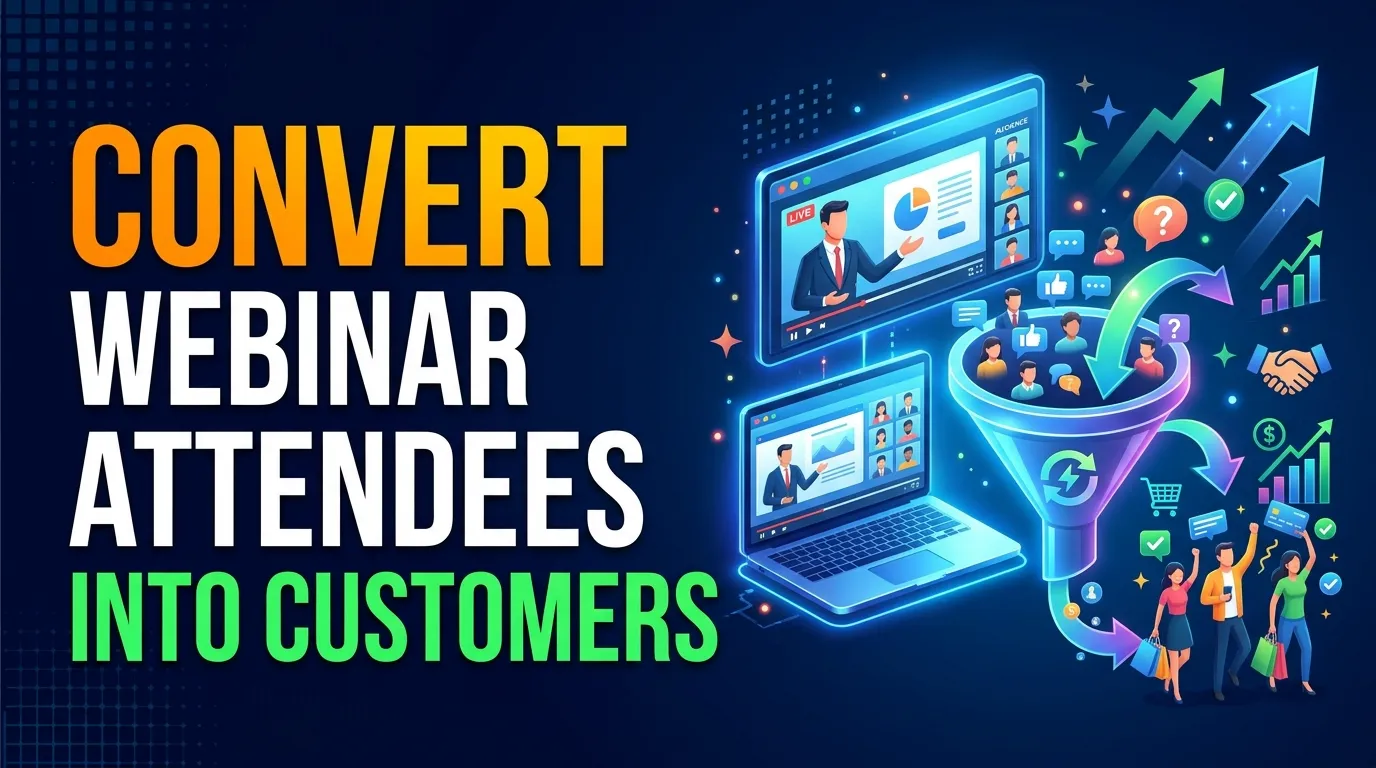 Turning webinar attendees into customers requires consistent communication after the event. The relationship should not end when the presentation finishes. In many cases, participants need additional information, time to compare options, or answers to specific questions before making a purchase decision. A personalized follow-up email is one of the most effective ways to continue the conversation. Businesses should thank attendees for participating, summarize the key lessons, and share useful resources related to the webinar. The message can also include a product demonstration, consultation link, or relevant offer.
Different attendee groups should receive different follow-up messages. People who attended the full presentation may be ready for a direct sales conversation, while those who left early may benefit from receiving the recording. Registered participants who did not attend should receive a friendly invitation to watch the replay. Trust is another important factor in converting prospects. Businesses can strengthen their credibility by sharing customer success stories, case studies, reviews, and practical examples. When potential customers see evidence that other people have achieved positive results, they may feel more confident about making a purchase.
Sales teams should also respond promptly to questions and requests from interested attendees. A helpful conversation that focuses on the customer’s requirements is generally more effective than sending repeated sales messages without understanding their needs. Finally, businesses should evaluate the complete customer journey. Tracking webinar registrations, attendance, engagement, follow-up responses, consultations, and purchases helps identify the strongest conversion opportunities. With consistent analysis and improvement, webinar conversion strategies can become an important part of a long-term customer acquisition system.
Conclusion
Webinars are more than online presentations. They are valuable marketing opportunities that allow businesses to educate audiences, demonstrate expertise, build relationships, and generate revenue. However, achieving meaningful results requires careful planning and continuous improvement at every stage of the customer journey. From creating an effective registration page to delivering engaging presentations and developing personalized follow-up campaigns, every element contributes to the final outcome. Businesses that understand their audiences and focus on providing genuine value can build a more effective webinar marketing funnel. By consistently testing and improving their webinar conversion strategies, organizations can generate qualified leads, increase sales opportunities, and turn more attendees into loyal customers.
FAQ
1. What are webinar conversion strategies?
Webinar conversion strategies are methods businesses use to turn webinar registrants and attendees into leads, customers, or subscribers. They include improving registration pages, delivering valuable presentations, engaging participants, creating effective CTAs, and following up after the event.
2. How can I increase my webinar conversion rate?
You can increase webinar conversions by understanding your audience, choosing relevant topics, improving the registration experience, delivering useful information, demonstrating your products, and providing a clear call to action. Following up with personalized emails can also encourage more attendees to become customers.
3. What is a good webinar conversion rate?
A good webinar conversion rate depends on the industry, audience, webinar topic, offer, and the specific action being measured. There is no universal benchmark that applies to every business. Companies should establish their own baseline and compare performance across similar webinars.
4. How do webinars help generate qualified leads?
Webinars attract people who are interested in a specific subject or business problem. Registration information, audience questions, poll responses, and engagement levels help companies understand potential customers and identify prospects who may be interested in their products or services.
5. How can I improve webinar registration rates?
You can improve registration rates by creating an attractive landing page, writing a benefit-focused headline, simplifying registration forms, explaining what attendees will learn, and promoting the event through email and social media. Mobile-friendly pages can also improve the registration experience.
6. What is the best way to engage webinar attendees?
Interactive polls, live Q&A sessions, practical demonstrations, storytelling, and audience discussions are effective engagement methods. Providing useful information throughout the presentation also helps participants remain interested.
7. Why do webinar attendees leave before the presentation ends?
Attendees may leave because the content is not relevant, the presentation is too long, the speaker spends too much time on introductions, or the webinar lacks interaction. Poor audio quality and technical problems can also reduce retention.
8. How important is a call to action in a webinar?
A call to action is important because it gives participants a clear next step. It connects the educational content with a relevant business offer, such as booking a consultation, starting a free trial, or purchasing a product.
9. Should I follow up with attendees after a webinar?
Yes. Follow-up communication helps maintain relationships, answer questions, share additional resources, and encourage potential customers to take action. Businesses should also contact registered participants who missed the live event and provide access to the recording.
10. Can webinars convert attendees into long-term customers?
Yes. Webinars can help businesses build trust, demonstrate expertise, and educate potential customers. When combined with relevant offers, personalized follow-ups, excellent customer support, and ongoing communication, webinars can contribute to long-term customer relationships and business growth.