Customer testimonials are powerful trust-building tools that influence purchasing decisions. By collecting authentic stories and using them strategically across websites, emails, social media, and referral systems, brands can boost credibility, increase conversions, and reduce customer acquisition costs.
Customer reviews aren’t just good-to-have content — they are your secret weapon to building trust and making sales. When real people share authentic experiences about your brand, something magical happens: they begin to trust you.
Why Customer Stories Testimonials Are a CMO’s New Best Friend
Humans trust other humans more than brands — that’s a fact. 92% of consumers are more likely to purchase after reading a trusted review.
Traditional marketing feels pushy. Customer stories, on the other hand, feel natural and authentic. When someone describes their real experience with your brand, it doesn’t feel like advertising — it feels like advice from a friend.
Key Benefits of Customer Testimonials:
-
They build trust and create emotional connection.
-
They reduce perceived risk, boosting conversion rates.
-
They show transformation, not just features.
Stories don’t just say what you do — they show how you make customers’ lives better.
The Psychology Behind Why People Believe Other Customers
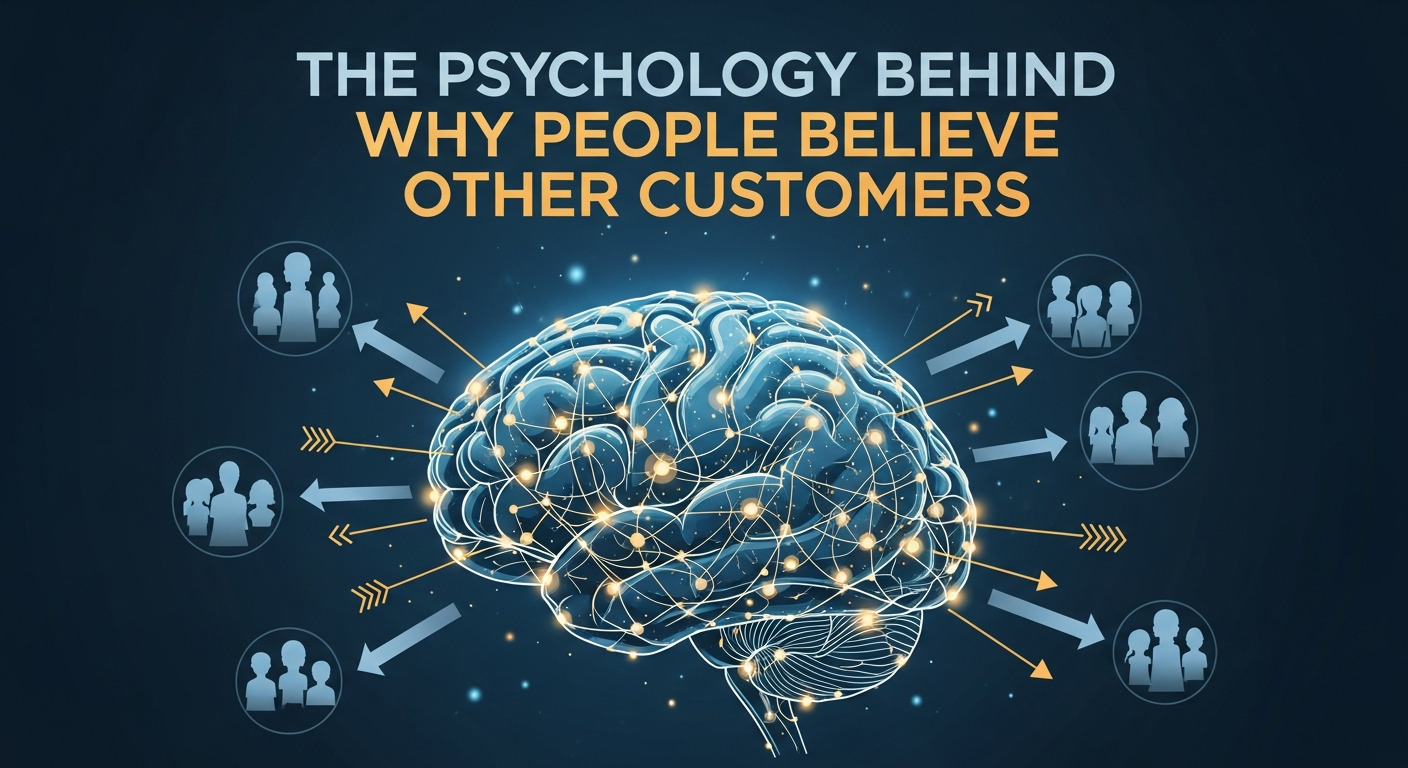
Explain deeper trust triggers:
-
Social validation reduces buying anxiety
-
Mirror effect — buyers relate to similar people
-
Herd behavior influences decisions subconsciously
-
Emotional storytelling activates stronger memory than ads
-
Third-party voice feels unbiased and safer
This makes the article feel research-backed and more strategic.
Which Testimonial Type Works Best at Each Funnel Stage
Different stages of the buyer journey require different levels of trust, which is why testimonial formats should be strategically aligned with the funnel. At the awareness stage, short social reviews, influencer mentions, and user-generated posts work best because they introduce credibility quickly and casually. During consideration, buyers actively compare options, so written testimonials and concise video reviews help answer their doubts. At the decision stage, deeper proof is needed — detailed case studies and strong video testimonials provide the reassurance required to finalize purchases. For retention, community-driven success stories reinforce satisfaction and remind existing customers why they chose the brand, encouraging loyalty and long-term engagement.
Data-Driven Testimonials Build Stronger Credibility Than Generic Praise
Specific numbers, measurable outcomes, and real scenarios make testimonials more believable and persuasive. Metrics transform reviews from opinions into proof.
Matching Testimonial Formats to Funnel Stages Maximizes Conversion Impact
Not all testimonials work the same way across the buyer journey. Each stage of the funnel requires a different depth of proof to move prospects forward. At the awareness stage, short quotes, ratings, and social mentions quickly grab attention and introduce credibility. During consideration, buyers need stronger reassurance, so detailed written testimonials and concise video stories help build confidence and answer objections. At the decision stage, in-depth case studies and powerful transformation stories provide the final layer of trust needed to convert. Aligning testimonial formats with funnel stages ensures your social proof works strategically, not randomly, driving higher engagement and stronger conversion results.
Authentic Customer Voices Strengthen Brand Positioning
Testimonials don’t just support your product — they actively shape how your brand is perceived in the market. When customers describe your impact in their own words, it reinforces your value proposition in a way that feels genuine, relatable, and trustworthy. Unlike polished brand messaging, real voices carry emotional weight and credibility because they come from lived experience. These authentic perspectives highlight what truly matters to users, clarify your brand promise, and differentiate you from competitors more powerfully than any crafted slogan ever could.
How to Collect Powerful Customer Stories
The biggest challenge isn’t using testimonials — it’s getting them in the first place. Here’s how to build a consistent stream of customer stories.
Timing Is Everything
Ask when customers are most excited:
-
Right after a successful outcome
-
After a goal is achieved
-
Following a great support experience
-
During renewal or upgrade conversations
Make It Easy to Say Yes
Remove friction in the process:
-
Use short, simple submission forms
-
Ask focused, specific questions
-
Offer multiple submission channels (email, phone, video)
-
Show examples of the kind of stories you want
Ask the Right Questions
Skip generic questions. Ask ones that uncover meaningful insights:
-
“What problem were you facing before using our product?”
-
“What made you decide to try it?”
-
“How has your life or business changed since?”
-
“What would you tell someone considering this product?”
Follow Up Strategically
Don’t stop at one request. Use automated workflows:
-
Thank-you emails after purchase
-
Check-ins after onboarding or results
-
Feedback requests during renewal cycles
-
Milestone celebrations
Real Experiences Reduce Buyer Skepticism Faster Than Sales Copy

Prospects naturally approach brand messaging with caution because they know companies are trying to sell. No matter how polished the copy is, it can still feel biased or exaggerated. Peer experiences, however, feel honest and relatable, which makes them far more believable. When potential buyers see real customers sharing authentic results, it removes doubt and builds confidence. Testimonials act as proof that your promises are achievable in real life, not just marketing claims. By bridging the gap between what you say and what customers experience, they reduce hesitation, strengthen trust, and accelerate decision-making.
Leveraging Social Media for Testimonial Distribution
Social media amplifies the reach of customer testimonials by turning satisfied customers into brand advocates. Sharing authentic stories on platforms like Instagram, Facebook, LinkedIn, or TikTok allows businesses to reach potential buyers where they spend time. Short-form videos, carousel posts, or user-generated content highlight real experiences while making them engaging and shareable. Encouraging customers to tag your brand in posts creates organic promotion. Social proof on social channels not only strengthens credibility but also enhances brand visibility. By integrating testimonials into social campaigns, businesses can increase engagement, drive traffic to their website, and influence purchasing decisions with real, relatable customer voices.
Using Testimonials in Email Campaigns
Email campaigns are a direct way to showcase customer experiences to engaged audiences. Incorporating testimonials into newsletters, product announcements, or promotional sequences boosts credibility and strengthens messaging. Short quotes, star ratings, or video snippets can highlight specific benefits while breaking up text-heavy content. Testimonials also enhance automated email flows, like welcome sequences or re-engagement campaigns, by providing proof of value. Personalizing emails with relatable customer stories encourages trust and higher click-through rates. Consistently featuring testimonials in emails reminds subscribers that others have benefited from your product, nurturing leads and subtly guiding them toward conversion without overt selling.
Integrating Testimonials into Product Pages
Placing testimonials strategically on product pages can dramatically influence purchase decisions. By showcasing reviews, ratings, and detailed success stories alongside product information, brands reduce buyer uncertainty and highlight real-world results. Visual elements like video clips, before-and-after images, or user photos add authenticity and help prospects visualize the product’s impact. Product page testimonials also improve time-on-page and engagement metrics, signaling trustworthiness to both users and search engines. Organizing testimonials by use-case, audience type, or problem solved helps potential buyers quickly find relevant stories. This approach creates a seamless experience where social proof and product benefits work together to drive conversions.
Encouraging Video Testimonials
Video testimonials provide a dynamic, highly engaging format for customer stories. Seeing and hearing real people share their experiences builds emotional connection and authenticity that text alone cannot match. Videos convey tone, enthusiasm, and body language, making them more persuasive and memorable. Short, focused clips work well for social media or email campaigns, while longer in-depth videos can serve as case studies for websites. Encouraging customers to record simple videos on their phones or during interviews keeps production easy and authentic. Video testimonials also support storytelling with visuals and context, enhancing credibility, emotional impact, and overall trust, which helps influence prospects at every stage of the buyer journey.
Segmenting Testimonials for Targeted Marketing
Not all testimonials resonate with every audience. Segmenting customer stories based on demographics, industry, pain points, or product usage helps deliver relevant proof to each prospect. Personalized testimonials increase relatability and make the message feel tailored, which strengthens trust and engagement. For example, a B2B SaaS company could show testimonials from businesses in the same sector, while an e-commerce brand might highlight age-specific experiences or lifestyle benefits. Segmentation can also inform targeted campaigns in email marketing, social media ads, or landing pages. By matching testimonial content to audience segments, brands enhance persuasion, reduce buyer hesitation, and improve the likelihood of conversion.
Measuring the Impact of Testimonials
To maximize effectiveness, it’s essential to track how testimonials influence performance metrics. Businesses can measure engagement rates, click-through rates, conversion rates, and time spent on testimonial-rich pages. Monitoring which formats—text, video, or social posts—perform best provides insights for refining strategy. Heatmaps and user feedback help identify which testimonials draw attention and influence decisions. Additionally, tracking testimonials’ role in sales cycles allows teams to connect proof points with revenue outcomes. Regular measurement ensures testimonials remain impactful, relevant, and aligned with marketing goals. Data-driven insights make it possible to optimize collection, placement, and format, turning testimonials into a measurable growth driver.
Building Your Testimonial Strategy
Customer stories are your most effective marketing tool. They’re more persuasive than any marketing message you could write.
Start this week by selecting a few of the strategies from this guide. Implement them consistently and build a routine around collecting and sharing customer stories.
Remember: being real is better than being perfect. Authenticity will always outperform polished but hollow marketing.
The most successful brands don’t just sell products — they build communities. With the right approach, that community can be yours.
Your customers already have amazing stories. It’s time to help them share them.
Legal & Ethical Best Practices
Maintaining transparency and ethical standards is essential when using customer testimonials. Brands should always obtain clear permission before publishing customer stories. Testimonials must never be altered in ways that change the customer’s original meaning. Honesty and authenticity are critical to preserving trust. Customer privacy should be respected at all times, and brands must comply with platform-specific review and advertising guidelines. Ethical use ensures testimonials remain credible and legally safe.
The Testimonial Flywheel
Testimonials create a self-sustaining cycle of trust and growth. When customers achieve real results, they share their experiences publicly. These stories build credibility and influence new buyers to try the brand. As more customers purchase and succeed, new testimonials are generated, further strengthening trust and expanding reach. This continuous loop transforms customer experiences into a powerful engine that drives long-term marketing success.
Testimonials as a Sales Enablement Tool
Customer stories play a critical role in empowering sales teams to close deals more effectively. Real proof helps overcome objections that traditional sales pitches cannot. Industry-specific testimonials build buyer confidence and make conversations more persuasive. When prospects see measurable success from similar customers, it shortens the decision-making process and accelerates the sales cycle. Testimonials become powerful support tools that help sales teams build credibility instantly.
The Power of Before-and-After Narratives
Case studies show success — but before-and-after narratives make that success feel real. This storytelling format highlights transformation by clearly contrasting a user’s situation before using the app with their experience after adoption.
Instead of only presenting features or metrics, transformation storytelling focuses on:
-
The user’s original struggle or pain point
-
The moment they discovered and tried the app
-
The improvement, relief, or growth they experienced
-
The measurable or emotional outcome
This format is powerful because readers see themselves in the “before” stage and aspire to reach the “after.” It builds credibility, creates emotional connection, and subtly positions your app as the bridge between problem and solution.
When combined with testimonials and data, before-and-after stories dramatically increase trust and conversion.
Conclusion
Real customer voices are more persuasive than brand messaging. Businesses that actively gather and showcase testimonials create stronger trust, deeper engagement, and sustainable growth. A structured testimonial strategy turns satisfied users into loyal advocates and powerful marketing assets.
Frequently Asked Questions (FAQ)
1. What are customer testimonials?
Customer testimonials are real statements or stories shared by customers about their experiences with a product or service. They highlight results, benefits, and satisfaction from a user’s perspective, helping build trust and credibility.
2. Why are testimonials important for marketing?
Testimonials act as social proof. They reduce buyer skepticism, build emotional connection, and influence purchasing decisions by showing real-world success instead of brand-promised benefits.
3. What types of testimonials work best?
Different formats work for different goals. Short quotes and reviews are effective for awareness, video testimonials and written reviews help during consideration, while case studies and before-and-after stories drive final purchase decisions.
4. How do testimonials increase conversion rates?
Testimonials lower perceived risk by showing that others have already achieved success. When prospects see relatable results, they feel more confident taking action, which leads to higher conversions.
5. Where should testimonials be used?
Testimonials can be placed on landing pages, product pages, email campaigns, social media, sales decks, ads, and referral programs to reinforce trust at every customer touchpoint.