Word-of-mouth marketing has always been one of the most trusted forms of influence. People believe real opinions, personal stories, and honest recommendations more than any paid promotion. Long before digital ads, social media, or influencer campaigns, human communication shaped what people bought, supported, and shared. This natural behaviour continues to guide modern customer decisions.
But today, artificial intelligence is changing how people communicate and discover brands. AI-powered recommendation engines, smart assistants, and conversational AI systems are now part of everyday life. Tools like ChatGPT, Google Gemini, and Meta’s AI models can predict preferences, personalize content, and automate interactions at scale. This shift leads to a critical question: What happens to traditional word-of-mouth in an AI-driven world? Will social proof and human recommendations survive when algorithms influence so many consumer choices?
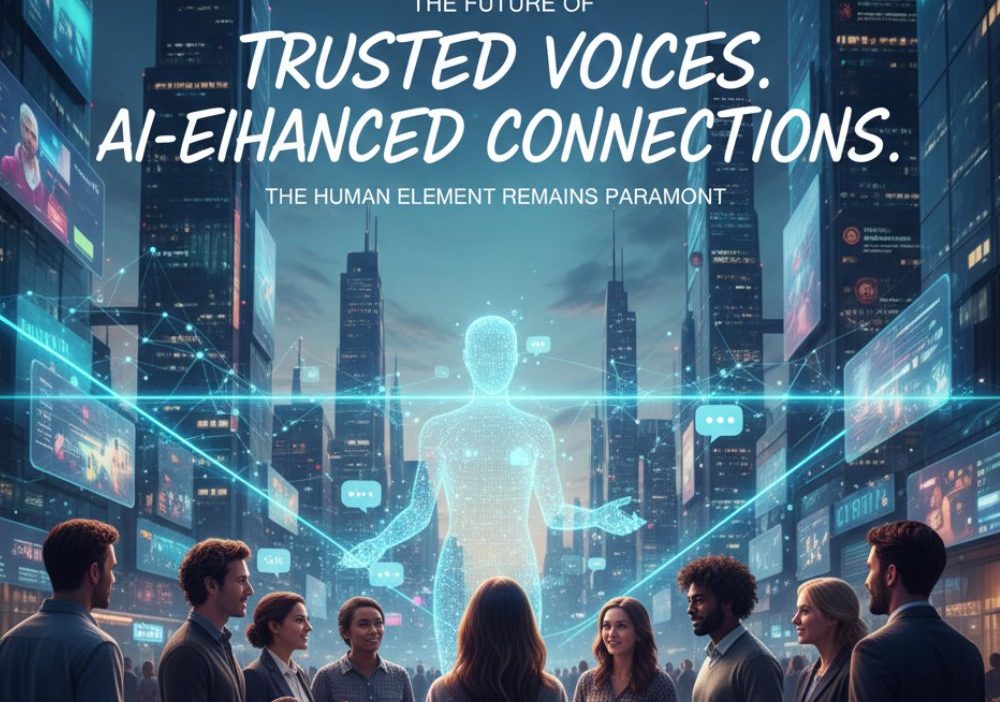
The truth is clear: AI will not replace WOMM—it will amplify it. The future of word-of-mouth is a hybrid ecosystem where human trust blends with algorithmic intelligence. In this new landscape, digital influencers, micro-communities, friend networks, and AI-driven discovery engines work together to shape buying behaviour. Brands that understand this shift will create stronger connections and more authentic engagement.
In this post, we will explore how AI is reshaping traditional WOMM, how machine learning enhances social proof, and what businesses must do to prepare for the next era of digital influence.
What is Digital Word-of-Mouth Marketing (WOMM)?
Word-of-mouth marketing has always been one of the most powerful ways to influence buying decisions. Traditionally, it happened through real conversations—neighbors chatting, friends recommending products, or family members sharing experiences. Today, these conversations happen online, travel faster, and reach far bigger audiences.
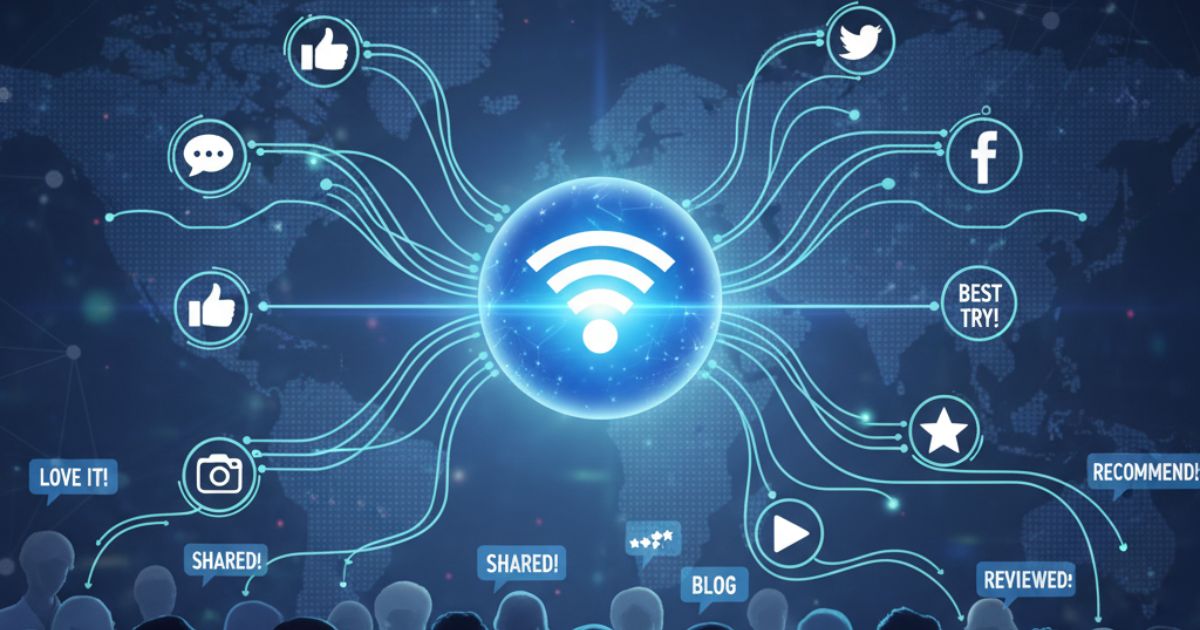
Digital word-of-mouth marketing (Digital WOMM) refers to every way consumers share opinions, feedback, and personal experiences across digital platforms. This includes online reviews, social media posts, YouTube comments, TikTok reactions, brand mentions on X (Twitter), and Instagram story tags. It also includes user-generated content (UGC), influencer shout-outs, community discussions, and peer recommendations on platforms like Reddit, Google Reviews, and Trustpilot.
Unlike traditional WOMM, digital word-of-mouth marketing is instant, scalable, and measurable. Brands can track real-time mentions, analyze user sentiment with AI-driven tools, monitor online reputation, and respond directly to customers across multiple channels. With the help of social listening platforms like Sprout Social, Brandwatch, and Hootsuite, companies can identify trends, understand consumer behaviour, and amplify positive conversations.
In a world shaped by AI algorithms, digital WOMM has become a key driver of trust, social proof, and customer-led brand growth.
The Intersection of AI Marketing and Digital Influence
Artificial intelligence is transforming how brands understand, shape, and scale digital word-of-mouth marketing. As AI becomes deeply integrated into modern marketing strategies, it creates a powerful intersection between data-driven insights and human-driven influence—reshaping how digital conversations spread across the internet.
AI doesn’t replace human connection; it enhances it. By analyzing behavior patterns, online interactions, and consumer sentiment at massive scale, AI helps brands uncover opportunities that were previously invisible. This convergence of AI marketing, digital influence, and social intelligence is redefining the future of brand advocacy.
Here’s how AI is revolutionizing digital WOMM:
1. Identifying Influencers and Authentic Advocates
AI-powered platforms such as Brandwatch, CreatorIQ, and HypeAuditor can analyze millions of social media profiles to identify influential voices—far beyond just macro-influencers.
AI identifies:
-
Micro-influencers with strong engagement
-
Nano-influencers with trusted niche audiences
-
Employee advocates and super-fans already creating authentic content
This helps brands build partnerships with individuals who genuinely connect with their product—leading to more credible, organic word-of-mouth marketing.
2. Personalizing Customer Experiences at Scale
AI tools like Salesforce Einstein, HubSpot AI, and Shopify’s predictive personalization analyze customer behaviors, buying patterns, and preferences to deliver hyper-personalized experiences.
This level of personalization—custom recommendations, predictive product suggestions, automated loyalty rewards, and personalized messages—makes customers feel valued. When customers feel understood, they naturally share these positive experiences, driving powerful digital referrals and peer recommendations.
3. Real-Time Sentiment Analysis and Feedback Insights
AI-driven sentiment analysis tools such as Sprout Social, Talkwalker, and Google Cloud Natural Language AI can instantly interpret thousands of online reviews, comments, and brand mentions.
These tools detect:
-
Positive sentiment and viral praise
-
Early warning signs of negative feedback
-
Trending topics in your customer community
-
Shifts in customer perception
With real-time insights, brands can quickly resolve issues, boost customer satisfaction, and amplify moments of delight—fueling stronger, more trustworthy word-of-mouth conversations across social media and online communities.
Preparing for the Future of WOMM
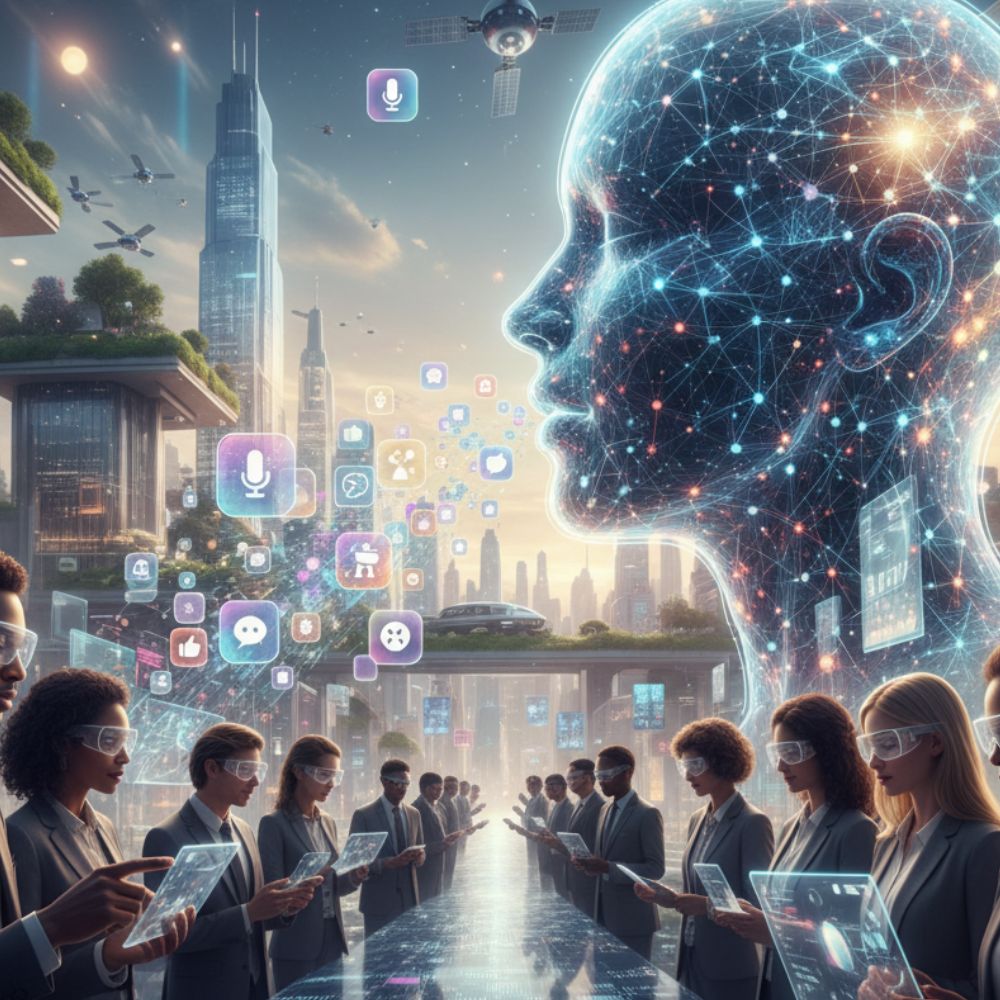
The future of WOMM lies in a strategic partnership between human authenticity and AI-driven efficiency. Businesses that embrace this synergy will be better equipped to build trust, foster loyalty, and drive growth. Here’s how you can prepare your brand.
1. Harness AI to Listen at Scale
You can’t be part of the conversation if you don’t know it’s happening. Manually tracking brand mentions is impossible. AI-powered social listening tools can monitor conversations across the web in real-time, giving you a constant pulse on what people are saying about your brand, your competitors, and your industry. Use these insights to engage with customers, answer questions, and show that you are paying attention.
2. Empower Your Brand Advocates
Your happiest customers are your most powerful marketers. Use AI to identify these advocates and give them the tools and encouragement to share their stories. This could involve:
- Creating an exclusive community or forum for your top customers.
- Offering them early access to new products.
- Providing them with shareable content that makes it easy to spread the word.
- Running a referral program that rewards them for bringing in new customers.
3. Foster Authenticity in an AI-Driven World
As consumers become increasingly aware of AI’s role in marketing, the demand for authenticity is expected to grow. People can spot an insincere, AI-generated message from a mile away. While AI can help you personalize and scale your communications, the message itself must remain genuine and human.
Encourage user-generated content (UGC) by running campaigns that invite customers to share their photos, videos, and stories. Highlight these real experiences on your social media channels and website. This form of social proof is one of the most powerful drivers of digital WOMM because it comes from a place of genuine enthusiasm.
4. Optimize for AI-Powered Search Engines
The way people find information is changing. Generative AI search engines like Google’s AI Overviews and Perplexity are starting to provide direct answers to questions, often by summarizing reviews and forum discussions. To ensure your brand is represented positively in these AI-generated answers, you need to cultivate a strong foundation of positive digital WOMM.
Encourage satisfied customers to leave detailed reviews on platforms like Google, Yelp, and Trustpilot. Engage in relevant online communities and forums where people are asking questions related to your industry. The more positive, human-generated content there is about your brand online, the more likely AI engines will be to feature it in their answers.
Your Next Move in the New Era of Marketing
While the core principles of word-of-mouth marketing—trust, authenticity, and genuine human connection—remain timeless, the environment in which these conversations happen has transformed dramatically. Today, the rise of AI marketing and digital influence ecosystems has given brands unprecedented ways to listen, interpret, and respond to customer sentiment in real time.
The future of word-of-mouth marketing belongs to brands that master the balance between advanced technology and human storytelling. AI is not here to replace authentic recommendations; it’s here to amplify them, helping businesses identify brand advocates, personalize experiences, and nurture loyalty at scale. When used wisely, AI becomes a catalyst for deeper emotional connection—not a barrier.
Your next strategic move is simple: start by listening. Use AI-powered social listening tools such as Brandwatch, Sprout Social, or Talkwalker to understand what people are saying about you online. Monitor conversations, track sentiment, and identify emerging trends. These insights will form the foundation for a stronger, more consistent, and more scalable digital word-of-mouth strategy.
As the AI era evolves, brands that combine data-driven intelligence with human-centric communication will lead the next wave of growth, influence, and customer advocacy. Embrace AI as your ally, and you’ll build a sustainable WOMM engine that fuels brand trust, community engagement, and long-term success.
Conclusion: The New Era of AI-Enhanced Word-of-Mouth Marketing
The future of word-of-mouth marketing is no longer limited to human conversations—it now lives at the intersection of AI-driven insights, digital communities, and genuine customer advocacy. As artificial intelligence reshapes how people discover brands, form opinions, and share recommendations, WOMM has evolved into a more scalable, measurable, and strategic growth engine.
But its core remains unchanged: authenticity still wins.
Brands that succeed in this AI-powered ecosystem are those that leverage technology not as a replacement for human trust but as a multiplier. AI tools like sentiment analysis, predictive personalization, and social listening platforms help brands understand consumer behavior more deeply, identify emerging trends, and amplify positive conversations faster than ever.
At the same time, human-driven advocacy—user-generated content, peer recommendations, micro-influencer engagement, and community storytelling—continues to build the credibility that algorithms alone can never replicate.
To thrive in the next era of digital influence, businesses must combine the strengths of both worlds:
-
AI for scale and intelligence
-
Humans for trust and emotional connection
By embracing smart automation, empowering customer advocates, and cultivating authentic digital conversations, your brand can build a sustainable word-of-mouth engine that drives visibility, loyalty, and long-term growth.
The future of WOMM isn’t AI versus humans—it’s AI plus humans, working together to shape stronger, smarter, and more meaningful influence.
FAQs
What is the difference between word-of-mouth marketing and influencer marketing?
Word-of-mouth marketing is typically organic and comes from genuine customers who are not paid to promote a product. Influencer marketing is a paid strategy where a brand partners with individuals who have an established online following to promote their products or services. While related, WOMM is earned, while influencer marketing is paid.
Can AI replace human marketers in WOMM?
No, AI is a tool to enhance, not replace, human marketers. AI can handle data analysis and automation, freeing up human marketers to focus on strategy, creativity, and building genuine relationships with customers and influencers. Authenticity, which is crucial for effective WOMM, requires a human touch.
How can a small business leverage AI for word-of-mouth marketing?
Small businesses can start by utilizing affordable AI-powered social media management tools to monitor conversations and analyze sentiment. They can also use AI features within their email marketing platforms to personalize communication. Encouraging online reviews and creating a simple referral program are also effective, low-cost ways to generate digital WOMM.
How does AI improve the accuracy of word-of-mouth insights?
AI-powered tools analyze massive amounts of online data—from reviews and comments to social media mentions—to detect sentiment, identify emerging trends, and highlight authentic customer opinions. This provides more accurate, unbiased insights than manual monitoring.
What type of user-generated content best supports digital WOMM?
UGC that performs well includes customer testimonials, product photos, unboxing videos, short-form reviews, behind-the-scenes clips, and real-life success stories. Authenticity and relatability are more important than production quality.
How can brands encourage more digital word-of-mouth organically?
Brands can incentivize sharing through referral programs, loyalty rewards, VIP communities, and early access perks. They should also actively engage with customers, respond to feedback, and highlight user stories to motivate ongoing advocacy.