Nano-influencers—social media users with 500–5,000 followers—are powerful drivers of Word-of-Mouth Marketing due to their authenticity, high engagement, and peer-like trust. Brands can leverage them to create targeted, cost-effective campaigns that foster genuine conversations, boost conversions, and generate user-driven promotion. By carefully selecting influencers, co-creating content, and measuring impact, organizations can turn grassroots advocacy into measurable business growth.
What Are Nano-Influencers and Why They Matter in WOM Marketing
Nano-influencers are everyday social media users who maintain smaller audiences—usually between 500 and 5,000 followers—while boasting engagement and authenticity that larger accounts often struggle to achieve. Their posts feel less like paid promotions and more like friendly recommendations, establishing trust that translates into real conversations and tangible action. Research from Pew Research shows that consumers value peer opinions over branded advertising, making nano-influencers ideal partners for brands aiming to tap into micro-communities.
Definition of Nano-Influencers
At their core, nano-influencers are passionate digital enthusiasts who share authentic, everyday experiences with their audiences. Whether it’s testing a new skincare product, recommending a local café, showcasing a fitness routine, or exploring a travel destination, their content feels personal and relatable. Unlike celebrities or macro-influencers, nano-influencers are approachable and accessible, often responding directly to comments, messages, and questions from their followers. This direct engagement fosters a sense of community and trust, making their recommendations feel genuine rather than promotional. Because their audiences are smaller and more tightly knit, every interaction carries weight, allowing nano-influencers to cultivate deeper relationships and meaningful dialogue that larger creators often cannot achieve. Their credibility stems from the perception that they operate without ulterior motives, effectively serving as trusted peers whose opinions are valued and respected.
Authenticity and Engagement
The true strength of nano-influencers lies in their exceptional engagement rates, which often surpass 5 percent—significantly higher than what is typical for larger influencers. Followers are more likely to click on links, comment on posts, and share content when they perceive it as personally relevant and trustworthy. This level of interaction not only amplifies the reach of individual posts but also generates a wealth of user-generated content, which brands can repurpose across social channels for additional impact. In an environment saturated with advertisements and sponsored content, authentic peer-to-peer endorsements stand out, cutting through the noise to capture attention and inspire action. Furthermore, the highly engaged audiences of nano-influencers often provide valuable feedback, insights, and recommendations, allowing brands to refine campaigns, better understand consumer preferences, and build long-lasting relationships with niche communities.
Key Advantages of Nano-Influencer Campaigns
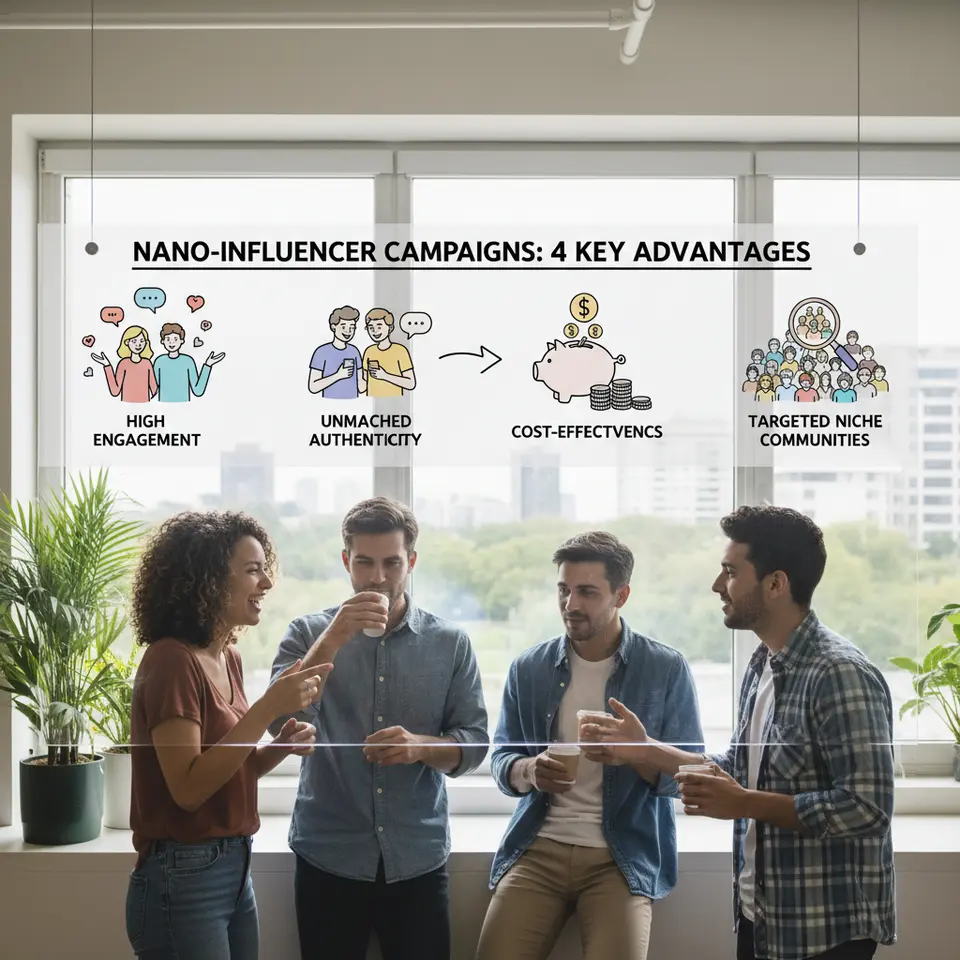
Brands currently operating on tight budgets or seeking targeted impact can leverage nano-influencer collaborations to maximize return on investment. Below are the primary benefits that make these partnerships indispensable in modern WOM strategies.
High Engagement and Community Trust
Nano-influencers’ smaller followings create an environment for highly personal, two-way conversations that larger accounts often can’t replicate. They actively engage with their audience by replying to comments, answering questions, and initiating discussions in real time, fostering a sense of community. This intimate interaction results in engagement rates that are often two to four times higher than those of macro-influencers. For brands, this means not just likes or shares, but meaningful interactions that translate into trust, loyalty, and grassroots conversations that can organically expand their Word-of-Mouth Marketing reach. Learn actionable tips in our guide on local business word-of-mouth growth.
Unmatched Authenticity
Audiences view nano-influencers as unbiased friends rather than paid endorsers. Their genuine tone and transparent approach make product recommendations feel like personal tips, leading to higher click-throughs and conversions. To understand complementary strategies, see creative brand advocate rewards.
Cost-Effectiveness and Scalability
Collaborating with dozens of nano-influencers often costs less than engaging a single macro-influencer. Many partnerships involve product exchanges or micro-commissions, reducing outlay while increasing coverage. Brands can scale campaigns by activating multiple nano-influencers across niches, generating broad WOM signals without exhausting resources. Consider reviewing top industries using influencer marketing for sector-specific inspiration.
Targeted Niches and Micro-Communities
Nano-influencers often serve highly specific audiences—fitness buffs, vegan cooks, indie music fans, or eco-conscious shoppers. Brands can deploy tailored campaigns within these segments to optimize relevancy and drive qualified leads. By mapping influencer interests to brand values, companies can achieve precision marketing at scale.
Identifying and Selecting the Best Nano-Influencers
Finding the right nano-influencers requires more than simply looking at follower numbers; it demands a strategic and methodical approach to ensure that potential partners align with your brand’s goals, values, and target audience. The process begins with clearly defining your campaign objectives—whether that’s raising awareness, generating leads, driving sales, or fostering engagement within a specific community. Next, it’s essential to analyze audience demographics, interests, and behaviors to ensure that the influencer’s followers closely match your ideal customer profile. Content quality and style are equally important, as influencers must consistently produce authentic, visually appealing, and well-crafted posts that reflect positively on your brand. Additional factors, such as previous collaboration experience, reliability in meeting deadlines, and adherence to disclosure guidelines, should also be considered. By implementing a structured vetting process, brands can identify nano-influencers who not only resonate with their audience but also have the ability to deliver meaningful engagement and amplify campaigns effectively. For more advanced strategies, explore future trends in Word-of-Mouth Marketing post-AI.
Define Target Audience and Goals
Start by outlining customer personas: age, interests, pain points, and online behaviors. Clarify campaign objectives—brand awareness, lead generation, or product trials. This initial step sets the foundation for identifying micro-communities that mirror your ideal demographic.
Keyword, Hashtag, and Social Listening Research
Use advanced listening tools to monitor relevant keywords and hashtags within your industry. Platforms that index conversations around wellness, technology, or travel can reveal active nano-influencers who consistently contribute valuable insights. For guidance on social media best practices, consult resources on CDC’s social media learning portal.
Analyze Engagement and Content Quality
Evaluate average likes, comments, and shares per post to ensure influencers maintain at least a 5 percent engagement rate. Review their content for consistency, aesthetic alignment, and brand safety. Check if captions reflect genuine opinions rather than generic sponsorship language.
Review Past Collaborations and Professionalism
Investigate whether potential partners have previously worked with similar brands. Positive feedback from other sponsors and reliable publishing schedules indicate a higher likelihood of smooth collaboration. Look for transparency in disclosures and adherence to guidelines from regulatory bodies such as the FTC.
Crafting Collaborations and Campaign Strategies
Once you’ve built a shortlist of nano-influencers, effective outreach and creative freedom are key to a successful partnership.
Personalized Outreach and Clear Briefs
Avoid generic mass emails. Reference specific posts, highlight what you admire in their style, and explain how their voice fits your campaign. Provide concise briefs outlining goals, target messaging, deliverables, timelines, and compensation. Transparency at this stage fosters mutual trust.
Value Exchange and Co-Creation
Offer exclusive incentives—product sample packages, affiliate commissions, or early access to new launches. Invite influencers to co-create tutorials, reviews, or unboxing videos that showcase their unique perspective. This collaborative approach enhances authenticity and drives more enthusiastic promotion.
Campaign Tactics: Seeding, Offers, and Engagement
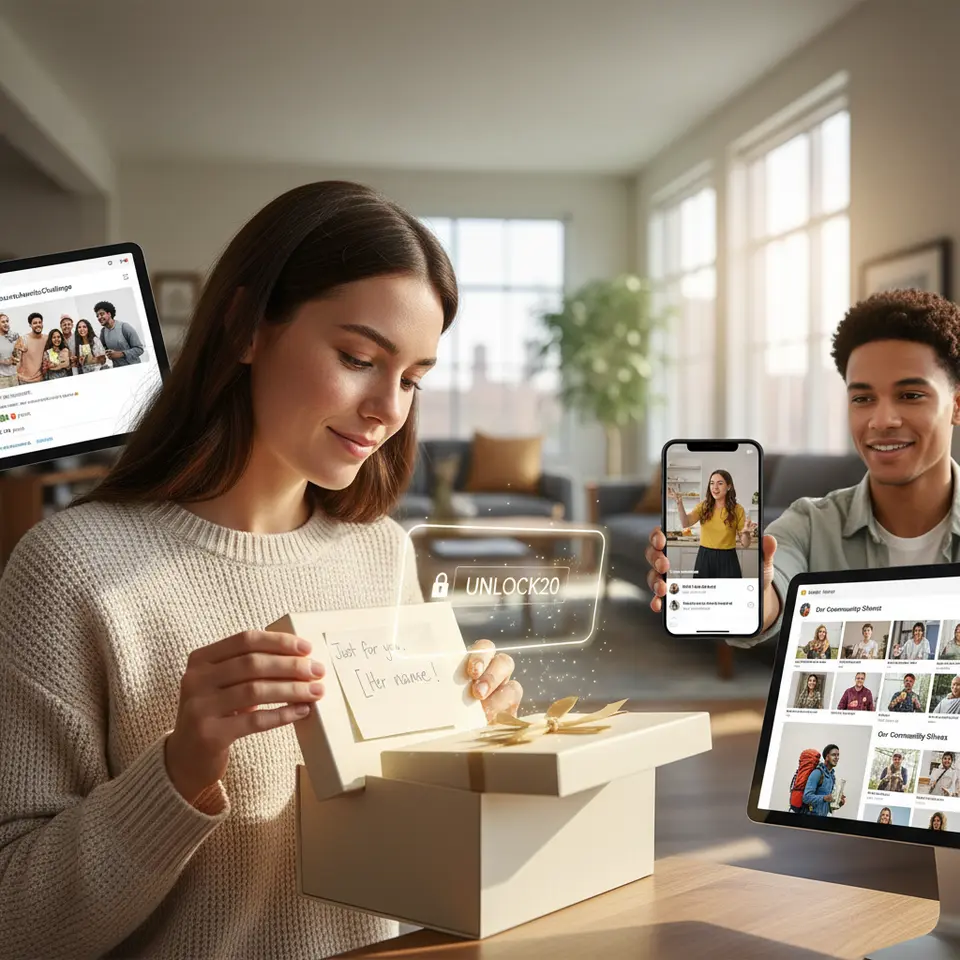
- Product Seeding: Send personalized gift boxes with handwritten notes to spark organic unboxings and first impressions.
- Exclusive Offers: Provide custom promo codes or affiliate links to track performance and reward both influencer and audience.
- Challenges and Contests: Launch branded hashtag challenges that encourage nano-influencers to tag peers, multiplying word-of-mouth reach.
- Live Takeovers: Host Instagram or TikTok live sessions for real-time demos and Q&A, increasing engagement and trust.
- User-Generated Content: Feature influencer posts on your official channels to amplify reach and build community pride.
Measuring Impact and Overcoming Challenges
Rigorous tracking and proactive problem-solving ensure that nano-influencer campaigns deliver measurable results and avoid common pitfalls.
Key Metrics for ROI Tracking
- Engagement Rate: Likes, comments, shares, and saves divided by follower count to gauge affinity.
- Reach and Impressions: Unique views and total impressions to estimate audience exposure.
- Traffic and Conversions: UTM parameters on affiliate links and promo codes track website visits, signups, and sales.
- Sentiment Analysis: Review comments and messages for positive or negative feedback, shaping future messaging.
- Earned Media Value (EMV): Calculate the equivalent cost of paid ads to assess cost-effectiveness of influencer posts.
Addressing Common Challenges
- Coordination Overload: Managing numerous influencers can be time-intensive. Leverage influencer management platforms to automate outreach, contracts, and reporting.
- Quality Control: Content output may vary. Provide brand guidelines and request draft approvals to maintain consistency.
- Audience Overlap: Avoid redundancy by analyzing follower overlap. Diversify niches and track unique reach to maximize coverage.
- Legal Compliance: Ensure clear disclosures in line with FTC requirements. Supply templates and reminders to protect brand reputation.
Frequently Asked Questions
What is a nano-influencer?
Nano-influencers are social media users with smaller followings (500–5,000) who deliver high engagement and authentic recommendations that feel like peer-to-peer endorsements.
How do I measure the ROI of nano-influencer campaigns?
Track engagement rates, reach and impressions, traffic and conversions via UTM parameters or promo codes, sentiment analysis, and calculate earned media value to assess cost-effectiveness.
What challenges should I anticipate in nano-influencer marketing?
Common challenges include coordinating multiple influencers, maintaining consistent content quality, avoiding audience overlap, and ensuring legal compliance with disclosure guidelines.
What is a nano-influencer?
Nano-influencers are social media users with smaller followings (500–5,000) who deliver high engagement and authentic recommendations that feel like peer-to-peer endorsements. They are a key driver of Word-of-Mouth Marketing because their audience trusts personal, relatable content.
How do I measure the ROI of nano-influencer campaigns?
Track engagement rates, reach and impressions, traffic and conversions via UTM parameters or promo codes, sentiment analysis, and calculate earned media value (EMV). These metrics quantify the effectiveness of your Word-of-Mouth Marketing efforts and guide future campaigns.
What challenges should I anticipate in nano-influencer marketing?
Common challenges include coordinating multiple influencers, maintaining consistent content quality, avoiding audience overlap, and ensuring legal compliance with disclosure guidelines. Addressing these proactively maximizes the impact of Word-of-Mouth Marketing.
Can nano-influencers work for small businesses?
Absolutely. Small brands can leverage nano-influencers to amplify Word-of-Mouth Marketing without large budgets. Micro-communities provide highly targeted reach, genuine engagement, and authentic promotion that feels peer-driven rather than corporate.
How can I ensure authenticity in nano-influencer campaigns?
Allow creative freedom, co-create content, and prioritize genuine experiences over scripted messages. Authenticity is central to effective Word-of-Mouth Marketing, as audiences trust recommendations that feel natural and unsponsored.
How do I select the right nano-influencers for my brand?
Define your audience, research relevant keywords and hashtags, analyze engagement and content quality, and review past collaborations. Proper selection ensures that nano-influencers drive meaningful Word-of-Mouth Marketing within your target communities.
How do I encourage nano-influencers to share my brand effectively?
Offer product seeding, exclusive promo codes, branded challenges, or live takeovers to spark organic content creation. These strategies enhance Word-of-Mouth Marketing by turning influencer activity into authentic peer-to-peer advocacy.
What metrics best demonstrate success in Word-of-Mouth Marketing with nano-influencers?
Engagement rate, reach, impressions, conversions, sentiment, and earned media value are key metrics. Tracking these allows you to measure how nano-influencer activity amplifies your Word-of-Mouth Marketing and contributes to tangible business outcomes.
How often should I run nano-influencer campaigns for maximum impact?
Consistency matters. Regular collaborations, staggered content releases, and periodic engagement activities maintain momentum and strengthen ongoing Word-of-Mouth Marketing, keeping your brand top-of-mind.
Can nano-influencer campaigns be combined with other marketing strategies?
Yes. Integrating nano-influencers with email, social media, live events, or paid campaigns creates a multi-channel ecosystem. This synergy enhances Word-of-Mouth Marketing reach and ensures messages resonate across multiple touchpoints.
Conclusion
Nano-influencers represent an increasingly powerful resource for brands, offering not only authentic connections but also exceptional engagement and cost-efficient scalability. Their smaller, highly engaged audiences allow brands to cultivate meaningful interactions that larger campaigns often miss, translating into stronger relationships and more organic promotion. By clearly defining campaign objectives—whether driving brand awareness, generating leads, or encouraging product trials—organizations can strategically target micro-communities that align with their core values. Conducting thorough research on audience demographics, content style, and past influencer performance ensures that partnerships are both relevant and effective. Crafting campaigns that give influencers creative freedom while providing clear guidelines encourages authentic content that resonates with followers. Meanwhile, rigorous measurement of key performance indicators such as engagement rates, reach, and conversions, combined with agile problem-solving, helps brands refine campaigns in real time and maximize ROI. In today’s fast-paced digital ecosystem, partnering with nano-influencers is more than a marketing tactic—it is a strategic approach to building lasting trust, fostering peer-to-peer advocacy, and achieving sustained growth. Brands that embrace this model can transform small-scale, authentic interactions into measurable, long-term success.