Defining Gamification in Marketing
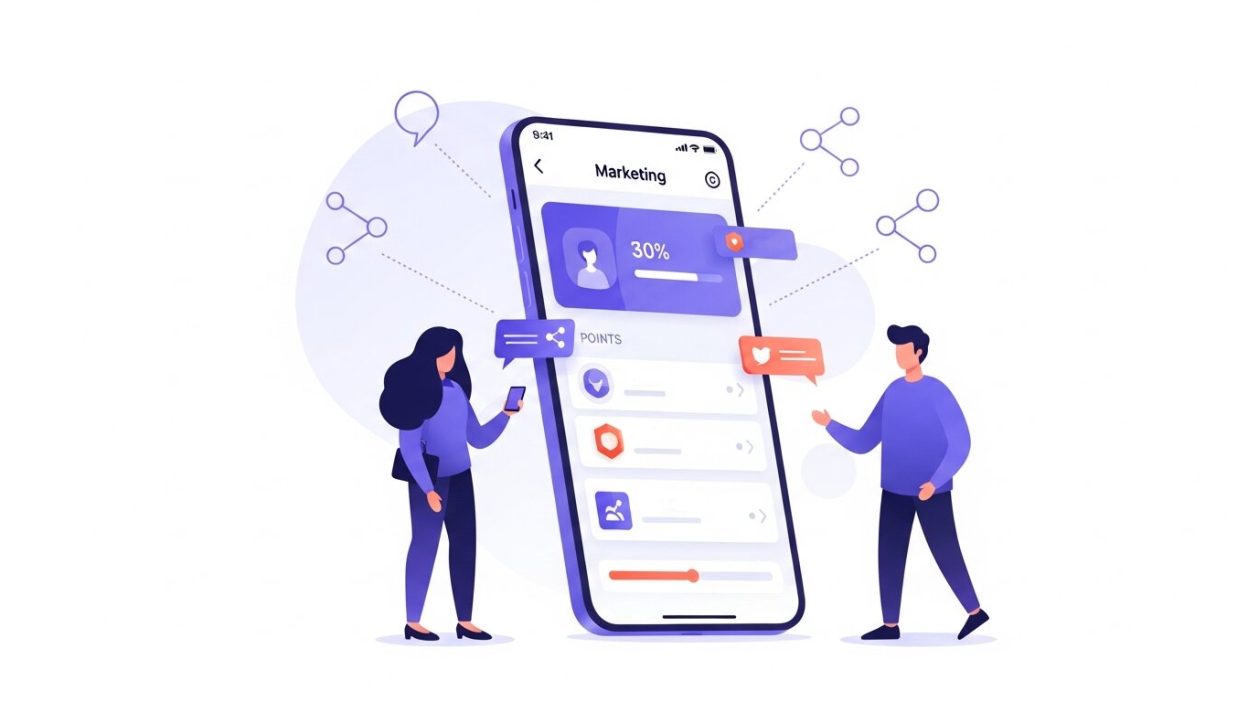
At its core, gamification involves integrating game mechanics into non-game contexts to motivate participation and loyalty. When applied to word-of-mouth campaigns, gamification word-of-mouth marketing transforms routine referral programs into dynamic experiences that appeal to human desires for status, mastery, and social proof. Typical game elements include:
- Points or scoring mechanisms that track progress.
- Levels or progress bars signaling advancement.
- Badges, awards, and virtual trophies for achievements.
- Leaderboards showcasing top advocates.
- Challenges, quests, and timed events to maintain interest.
By weaving these components into a cohesive narrative, brands can design programs that resonate emotionally and encourage repeated interactions. For example, a retailer might issue weekly challenges requiring customers to refer friends, post reviews, or share product photos to earn badges. As participants accumulate points and ascend leaderboards, they feel a sense of accomplishment and are more likely to discuss their progress publicly.
Academic studies, such as those published in the National Center for Biotechnology Information, highlight how gamification taps into neurotransmitter responses, like dopamine release, which enhances motivation. In today’s fast-paced environment, gamification word-of-mouth marketing offers a sophisticated toolkit to capitalize on these psychological drivers, encouraging organic conversations around your brand.
Typical game elements include points, levels, badges, leaderboards, and challenges—all designed to increase emotional engagement. These mechanics work best when grounded in the psychology of word-of-mouth marketing, which explains why people share in the first place.
Psychological Triggers That Drive Sharing

Understanding the cognitive and social factors behind word-of-mouth helps refine gamification strategies. One major influence is emotional resonance, which is deeply explored in emotional branding and customer connections. Several key psychological triggers fuel sharing behaviors:
Social Proof and Competition
People tend to mirror the actions of their peers. Displaying public leaderboards leverages social proof in word-of-mouth marketing, encouraging users to compete and share achievements.. Displaying public leaderboards and social metrics within your gamified campaign leverages social proof, prompting participants to imitate successful behaviors. The element of competition also sharpens focus, as users strive to outperform friends or colleagues, often sharing their achievements to showcase their status.
Achievement and Recognition
Earning badges or unlocking milestones fulfills a basic human need for recognition. When the gamification word-of-mouth marketing system visibly rewards accomplishments—like completing a series of tasks or referring a number of new users—participants gain a sense of pride. This validation frequently translates into social media posts, blog mentions, and direct recommendations.
Mastery and Progress
Structured progression, such as leveling up or completing progressively challenging quests, sustains engagement. Each completed stage offers a dopamine boost, encouraging users to pursue the next objective. By making these milestones shareable—through customizable graphics or auto-generated posts—you foster continuous exposure and word-of-mouth momentum.
Community and Belonging
Group quests and team-based challenges cultivate a sense of belonging. When participants collaborate toward collective goals, they develop communal bonds, strengthening loyalty to your brand. Shared experiences spark organic discussions, both online and offline, as team members celebrate wins and strategize future steps.
By combining these triggers, gamification word-of-mouth marketing campaigns can create compelling narratives that resonate emotionally with users. Recognizing which motivators align with your target audience enables you to fine-tune challenges, rewards, and social components for maximum impact.
Proven Strategies for Gamified Referrals
Building on psychological insights, practical strategies ensure that gamification word-of-mouth marketing campaigns deliver measurable results. Below are several tactics to consider:
Referral Challenges with Tiered Rewards
Create multi-level referral campaigns where each invited friend unlocks progressively better rewards. Instead of giving the same incentive for every referral, structure the system so users feel continuous progress. For example, early referrals might earn bonus points or small discounts, while higher tiers unlock exclusive badges, premium features, or access to VIP events.
This tiered structure keeps users engaged for longer because they always have the next reward to aim for. It also encourages users to share more frequently, as each new level feels like a meaningful achievement. Over time, this builds stronger participation and sustained referral activity.
Shareable Milestones and Visual Assets
Provide users with visually appealing, on-brand assets whenever they reach important milestones. These can include auto-generated graphics that display their achievements, such as earned badges, referral counts, or leaderboard rankings. Personalization—like including usernames or avatars—makes these assets more engaging and meaningful.
When users share these visuals on platforms like Instagram, LinkedIn, or Twitter, they effectively become brand ambassadors. These shareable assets act as organic promotion tools, helping your campaign reach new audiences without additional advertising costs. The more visually engaging and personalized the content, the higher the likelihood of it being shared.
Community Quests and Team-Based Goals
Build group-based challenges where users collaborate to achieve shared objectives, such as reaching a collective number of referrals or completing community tasks. This approach transforms individual participation into a social experience, increasing motivation through teamwork and accountability.
When users work together, they naturally communicate more through forums, chats, or social platforms, which strengthens community bonds. This sense of belonging not only boosts engagement but also increases organic word-of-mouth as users discuss progress, strategies, and achievements with others outside the platform.
Limited-Time Events and Flash Campaigns
Introduce short-term, time-sensitive campaigns such as weekend challenges, seasonal events, or flash referral contests. These limited-time activities create urgency and encourage users to participate quickly rather than delaying action. The fear of missing out (FOMO) becomes a strong motivator for engagement.
Because these events are temporary, users are more likely to share their participation and achievements immediately. This generates bursts of activity and visibility for your brand. When executed regularly, flash campaigns help maintain excitement and keep your audience consistently engaged
Live Leaderboards and Public Recognition
Display real-time leaderboards that showcase top-performing users based on referrals, points, or engagement. Public recognition plays a powerful role in motivating users, as people naturally enjoy seeing their name associated with success and achievement.
Leaderboards also introduce friendly competition, encouraging participants to improve their ranking and share their progress with others. Highlighting top contributors through shout-outs, badges, or featured placements further strengthens motivation and reinforces ongoing participation. This visibility keeps your gamified system active and continuously engaging.
Designing Reward Systems That Motivate Advocacy
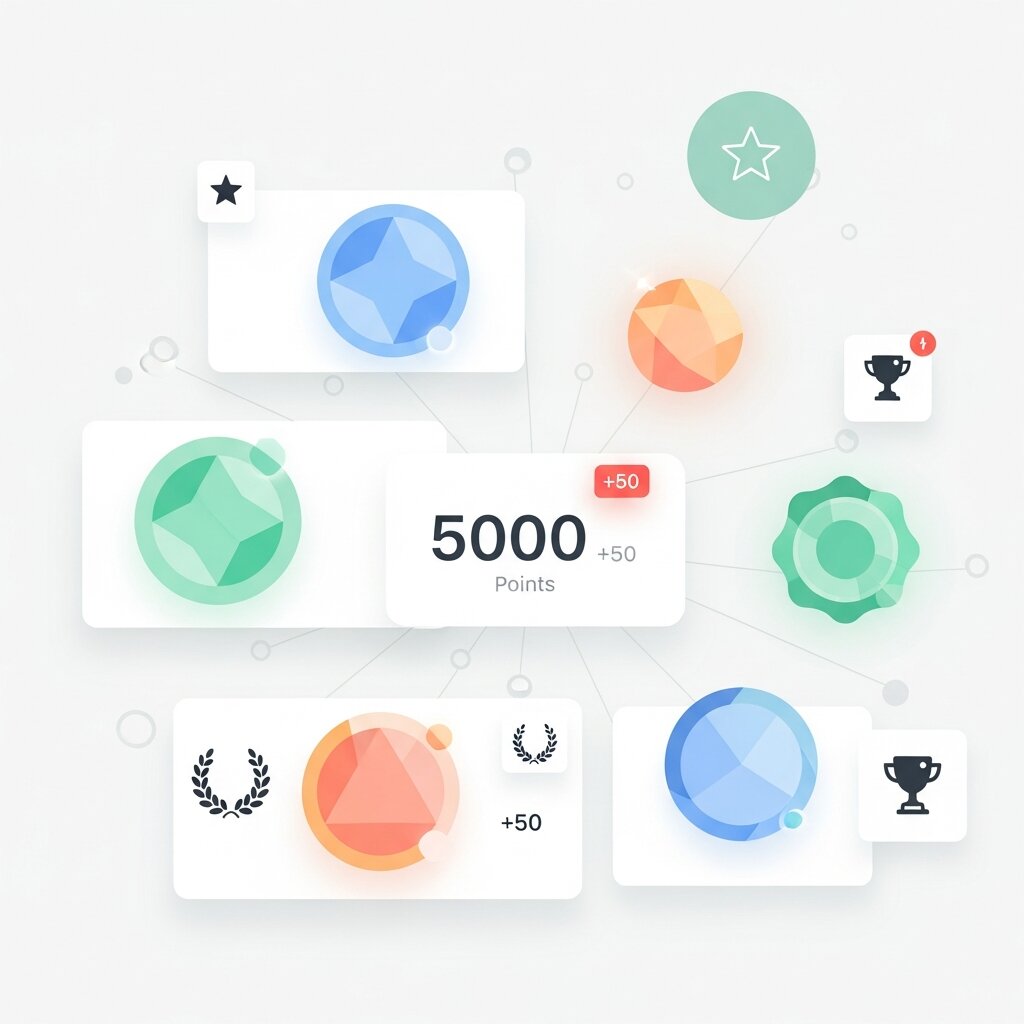
A compelling reward framework blends intrinsic pleasure with tangible incentives. Below are guidelines for crafting balanced reward systems within gamification word-of-mouth marketing programs:
Symbolic and Status-Based Rewards
Badges, leader titles, and virtual trophies cater to the human desire for status. These symbolic rewards are cost-effective and can be tiered to reflect varying levels of achievement. Publicly visible symbols stimulate social sharing as participants showcase their progress.
Monetary Incentives and Discounts
Offering coupons, credits, or special discounts provides clear transactional value. While purely financial rewards can drive short-term spikes, pairing them with status-based perks fosters deeper engagement and long-term loyalty.
Experiential and VIP Opportunities
Exclusive invites to events, early access to new products, or behind-the-scenes tours create memorable experiences. Such rewards forge emotional connections, making participants more inclined to share their authentic experiences with friends and followers.
Progressive Unlockables
Design reward tiers that unlock new perks as users advance. For example, early-stage participants earn simple badges, while veterans gain access to premium content or co-creation opportunities. This progressive layering sustains motivation and encourages repeat referrals.
Personalized and Surprise Bonuses
Occasionally surprise top participants with personalized gifts or shout-outs. Unexpected rewards delight users and generate positive word-of-mouth. Personalization—such as addressing participants by name or referencing their achievements—enhances the impact.
Continuous A/B testing of reward combinations helps identify the most effective mix. The key to successful gamification word-of-mouth marketing is flexibility: adapt reward structures based on real-time performance data and participant feedback to keep the experience fresh and compelling.
Tools and Techniques for Effortless Social Sharing
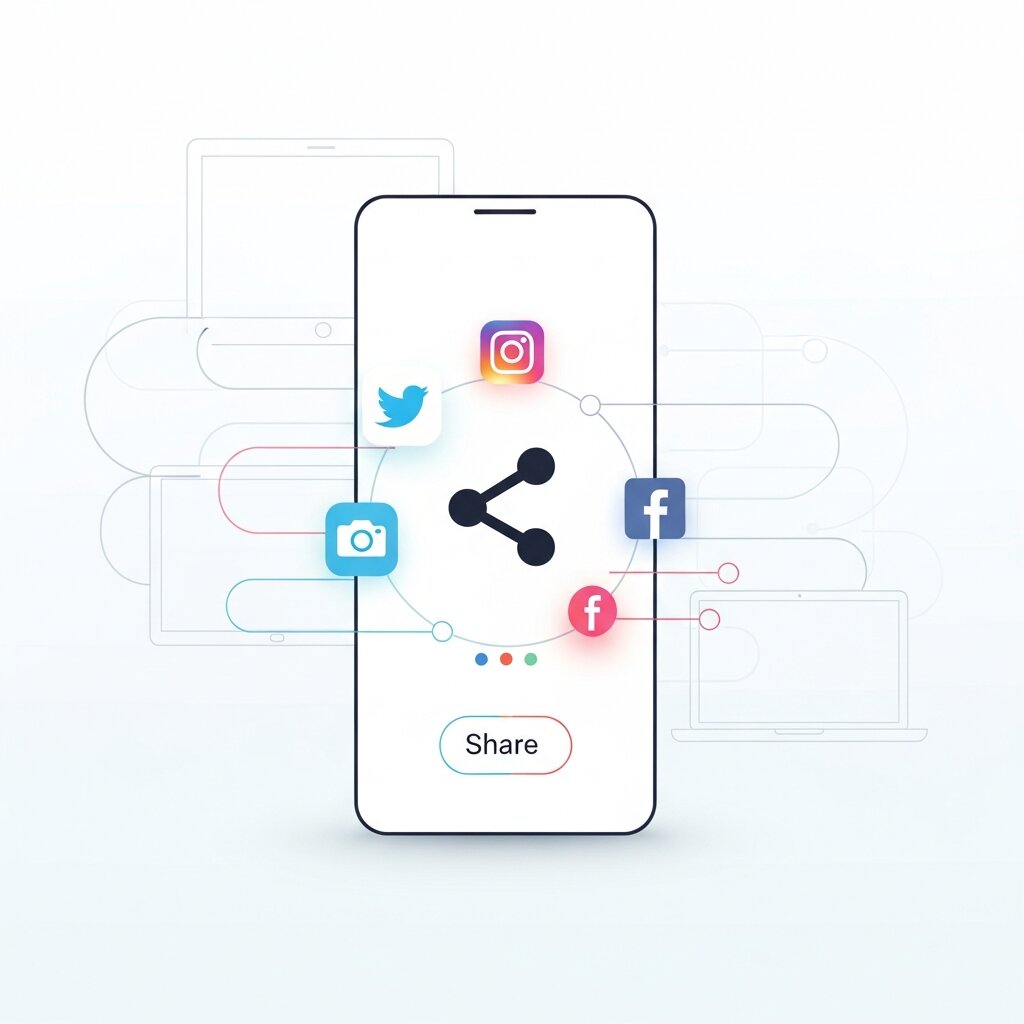
To maximize reach, gamified systems rely heavily on modern communication technologies. These include automation, messaging systems, and AI-driven personalization similar to those discussed in AI-powered marketing communication. Removing friction from sharing processes is essential in maximizing the reach of gamification word-of-mouth marketing campaigns. The following tools and techniques streamline content distribution:
One-Click Social Buttons
Embed intuitive share icons at every reward milestone. By enabling one-click posting to platforms like Facebook, LinkedIn, or Twitter, you lower the barrier for users to spread the word. Persistent floating buttons within apps or web pages maintain visibility even as users scroll.
Auto-Generated Shareable Assets
Deploy scripts that automatically generate images or short videos summarizing achievements. Incorporate hashtags, handles, and campaign logos to reinforce brand messaging. Offering customizable templates empowers users to add personal flair while maintaining visual consistency.
Unique Referral URLs and QR Codes
Assign individualized links or QR codes to each participant. This not only tracks performance metrics—such as click-through and conversion rates—but also simplifies sharing in offline contexts. QR codes displayed at events or on printed materials enable swift mobile engagement.
In-App and Push Notifications
Timely prompts can nudge users to share at peak moments. For example, when a new badge is unlocked or a reward tier is reached, a push notification can offer a direct share link. Strategically timed alerts increase participation without overwhelming users.
Social Integrations and API Connectivity
Integrate with major social networks and communication tools through APIs to facilitate seamless content propagation. Automated triggers—for instance, posting milestone updates to Slack channels or community forums—extend your campaign’s reach into professional and niche groups.
By leveraging these tools, brands can make sharing feel natural and immediate, amplifying the effects of gamification word-of-mouth marketing and ensuring that every achievement becomes an opportunity for organic promotion.
FAQ
What is gamification word-of-mouth marketing?
Gamification word-of-mouth marketing integrates game mechanics—such as points, badges, and leaderboards—into referral and sharing programs to motivate users to promote your brand organically.
How can I track the success of a gamified referral campaign?
Utilize unique referral URLs, QR codes, and analytics platforms to monitor metrics like referral rates, click-throughs, social shares, and conversion growth in real time.
Which reward types drive the most engagement?
A balanced mix of status-symbol rewards (like badges), tangible incentives (such as discounts), and experiential perks (like VIP events) tends to deliver both immediate and sustained engagement.
What is gamification word-of-mouth marketing?
It is a marketing strategy that uses game mechanics like rewards, points, and leaderboards to encourage users to share and promote a brand.
Why is gamification effective in marketing?
It increases engagement by tapping into human motivations like competition, achievement, and recognition.
How does gamification improve word-of-mouth marketing?
It makes sharing more rewarding and fun, encouraging users to actively refer and promote products.
What are common gamification elements?
Points, badges, leaderboards, challenges, levels, and reward systems.
What psychological triggers are used in gamification?
Social proof, competition, achievement, mastery, and community belonging.
How do referral programs use gamification?
They reward users for inviting others, often using tiered rewards or milestone-based incentives.
What types of rewards work best?
A mix of discounts, badges, VIP access, and experiential rewards works most effectively.
How do leaderboards help in gamification?
They create competition and motivate users to improve their ranking and share achievements.
What tools are used for gamified sharing?
Referral links, QR codes, social sharing buttons, and automated shareable content.
Can gamification improve customer loyalty?
Yes, it increases engagement and emotional connection, which strengthens long-term loyalty.
What metrics measure success in gamification campaigns?
Referral rates, conversion rates, engagement levels, and social shares.
What is the biggest challenge in gamification marketing?
Designing balanced rewards and maintaining long-term user engagement without making the system feel repetitive or forced.
Conclusion
In today’s competitive environment, gamification word-of-mouth marketing provides a dynamic pathway to cultivate organic advocacy, deepen customer engagement, and drive sustained growth. By understanding the psychological foundations of sharing, employing targeted strategies, and building robust reward and sharing systems, brands can create immersive experiences that users are eager to broadcast.
By combining insights from word-of-mouth marketing with strategic gamification, brands can build highly engaging ecosystems that scale naturally through trust and participation.
As you embark on your gamification journey, begin by piloting a focused referral challenge or badge system. Monitor key metrics—like referral rate, social impressions, and conversion growth—to refine your approach. Collaborate with your creative, analytics, and development teams to iterate quickly, emphasizing simplicity, fairness, and brand alignment. With thoughtful design and continuous optimization, gamification word-of-mouth marketing can transform casual customers into passionate ambassadors, propelling your brand to new heights in today’s digital landscape.