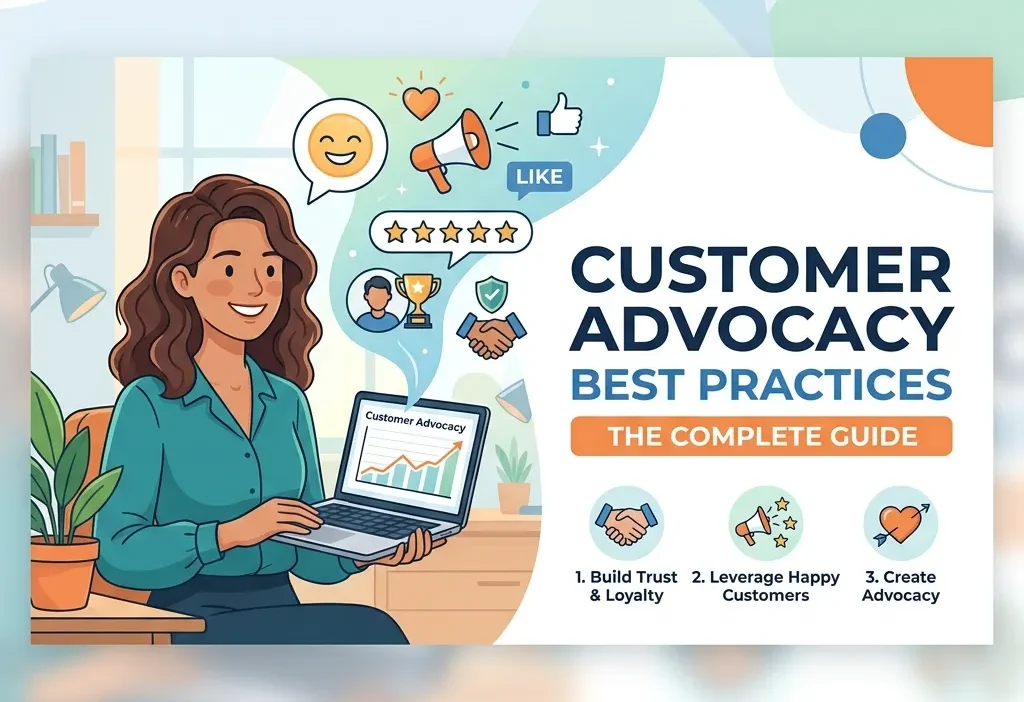
Customer advocacy best practices are the specific habits and principles that separate advocacy programs that quietly stall from ones that keep generating referrals, reviews, and testimonials year after year. Building the program is only half the work — running it well day to day is where most of the actual results come from. This guide covers the practices that matter most across timing, communication, technology, rewards, and measurement, along with the mistakes that undermine even well-intentioned programs.
Plenty of companies launch a customer advocacy program with genuine enthusiasm, only to watch participation quietly fade within a few months. The program itself usually isn’t the problem — the day-to-day practices running underneath it are. Small, consistent habits around timing, communication, and recognition determine whether advocates stay engaged or drift away, far more than any single strategic decision made at launch.
This guide walks through the customer advocacy best practices that consistently separate programs that keep compounding from ones that fizzle out, organized around the areas that matter most in practice: identifying the right advocates, building genuine trust, structuring asks, using technology well, and measuring what’s actually working.
Start With Advocates Who Are Already Showing the Behavior
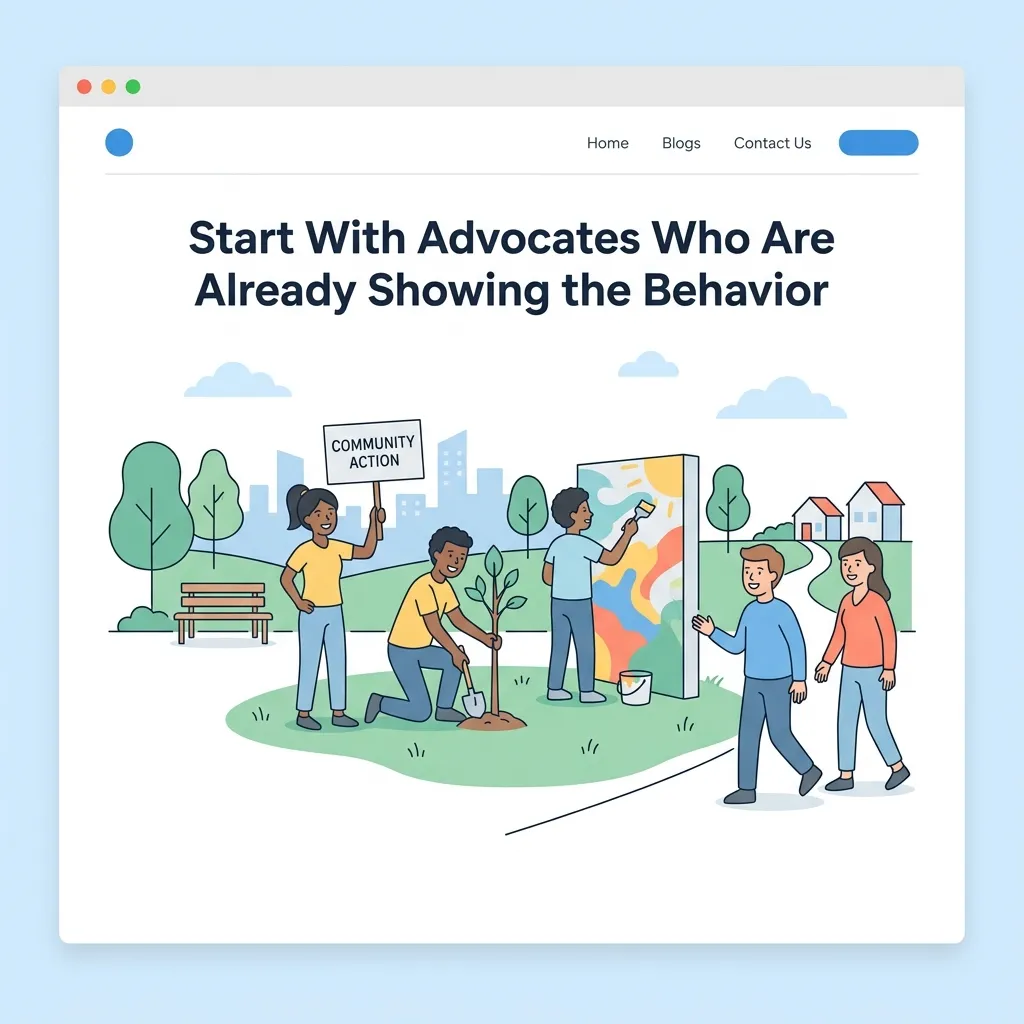
One of the most reliable customer advocacy best practices is resisting the urge to manufacture advocacy from scratch. Look first at customers already showing the behavior organically — people leaving unprompted reviews, mentioning your brand on social media, or referring friends without being asked. These customers require far less convincing than someone who’s simply satisfied but has never voluntarily spoken up. Surfacing these customers usually comes down to reviewing support tickets, usage data, and survey responses rather than guessing who might be a good fit.
Never Ask for Advocacy Before Value Has Been Delivered
Timing is one of the most consistently underrated customer advocacy best practices. Asking a customer for a referral or testimonial before they’ve experienced real value from your product undermines the entire premise of advocacy — it turns a genuine relationship into a transactional request made too early to feel earned. Wait for a clear signal that value has landed: a renewed contract, a positive support interaction, a milestone reached inside the product, or simply enough time for real results to show up. Programs that build in these natural trigger points consistently see stronger response rates than ones that ask on a fixed calendar schedule regardless of where a customer actually stands.
Make Every Ask Specific and Easy to Act On
Vague requests like “let us know if you’d recommend us” rarely produce action, because they leave the customer to figure out what to actually do. Effective advocacy programs make the ask specific: request a review on a named platform, ask for an introduction to one particular type of contact, or provide a pre-written testimonial the customer can approve rather than write from scratch. Reducing the effort required to say yes is consistently one of the highest-leverage customer advocacy best practices, since even highly satisfied customers will decline a request that feels like homework.
Build Trust Before You Build the Ask
No amount of program design compensates for a relationship that hasn’t earned genuine trust yet. Transparency about pricing, honesty when something goes wrong, and consistently following through on commitments all build the foundation advocacy is built on top of. Our guide to building brand trust that drives loyalty covers this foundational work in more depth, and it’s worth treating as a prerequisite rather than a parallel workstream — advocacy programs layered on top of shaky trust rarely perform, no matter how well-designed the program itself is.
Segment Advocates by How They Actually Want to Participate
Not every advocate wants to participate the same way, and treating them as an undifferentiated group is a common mistake. Some customers are comfortable writing detailed reviews but uncomfortable making personal introductions. Others will happily refer a friend but would never agree to appear in a case study. Segmenting your advocate base by preferred participation type, and tailoring outreach accordingly, respects these differences and produces far higher engagement than a single generic ask sent to everyone at once.
Use Technology to Scale Without Losing the Personal Touch
Manual tracking works fine for a handful of advocates, but it breaks down quickly as a program grows. A dedicated platform can automate advocate identification, track referral and review activity, and manage recognition at scale, freeing up time for the genuinely personal touches — a handwritten note, a direct thank-you call — that matter most for your highest-value advocates. Our breakdown of what to look for in a customer advocacy platform covers how to choose technology that supports this balance rather than replacing the personal relationship entirely with automation.
Recognize Advocates in Ways That Feel Genuine, Not Transactional

Recognition is one of the areas where advocacy programs most often go wrong, either by offering nothing at all or by leaning so heavily on financial incentives that the relationship starts to feel like a paid endorsement rather than genuine enthusiasm. The strongest customer advocacy best practices around recognition mix public acknowledgment, early access to new features, and modest incentives that reinforce the behavior without becoming the primary motivation. The goal is making an advocate feel seen and appreciated, not purchasing their participation outright.
Collect and Showcase Stories Consistently, Not Just Occasionally
Testimonials and case studies lose much of their power when they’re collected in a single rushed push rather than gathered consistently over time. Building a simple, ongoing process for capturing stories — a short survey triggered at key milestones, a standing invitation for video testimonials — keeps your library of proof points fresh rather than relying on the same three quotes from two years ago. A steady cadence of collection also makes each individual ask feel less like a big event and more like a normal, low-pressure part of the customer relationship.
Give Internal Advocacy Equal Weight to External Advocacy
External customer advocacy gets most of the attention, but internal advocacy — employees representing the customer’s voice inside the company — deserves equal weight in a mature program. When customer feedback surfaced through advocacy activities actually reaches product and support teams, and visibly influences decisions, it reinforces the entire premise that the company genuinely values what advocates are saying. Ignoring this internal loop while focusing entirely on external activity is one of the more common gaps in otherwise well-run programs.
Measure Beyond Participation Numbers
Tracking how many advocates are enrolled tells you very little about whether the program is actually working. Stronger measurement practices track downstream outcomes: revenue attributable to advocate-driven referrals, conversion rates on advocate-sourced leads compared to other channels, and retention differences between customers who participate in advocacy activities and those who don’t. Our guide to measuring brand advocacy metrics and KPIs walks through which numbers actually connect advocacy activity to business results rather than just program activity.
Treat the Program as a Continuous Practice, Not a Campaign
Some of the best customer advocacy best practices are less about specific tactics and more about mindset. Treating advocacy as an ongoing, continuously refined practice — reviewing what’s working quarterly, retiring asks that have stopped performing, testing new formats for recognition — produces far better long-term results than treating it as a campaign with a defined start and end date. Our complete guide to customer advocacy strategy covers how to build this kind of durable, ongoing structure rather than a one-off initiative that quietly winds down after the initial launch enthusiasm fades.
Avoid Letting Enthusiasm Outrun Structure
A surprising number of advocacy programs stumble not from lack of enthusiasm but from the opposite problem — moving too fast without the structure to sustain momentum. A team excited about early results sometimes launches asks across every customer segment at once, overwhelms a small team’s capacity to personally follow up, or promises recognition it can’t consistently deliver once volume grows. This pattern echoes a caution worth borrowing from adjacent marketing disciplines: webinarmarketo’s rundown of common webinar marketing mistakes makes a similar point about ambitious launches outpacing the operational capacity needed to execute them well. Advocacy programs benefit from the same discipline — scaling deliberately as capacity grows, rather than launching everything at once and struggling to keep quality and personal attention consistent as participation increases.
Learn From Adjacent Disciplines That Face the Same Challenge
The discipline required to sustain a healthy customer advocacy program — consistency, clear structure, and resisting the urge to cut corners for short-term results — shows up in other areas of marketing operations too. Trendmarketo’s rundown of marketing automation best practices makes a similar point in a different context: the difference between programs that compound over time and ones that quietly decay usually comes down to disciplined, ongoing maintenance rather than a single strong initial setup. The same principle applies directly to advocacy — a well-designed launch matters far less over time than the quality of the habits running underneath it every week after.
Common Mistakes That Undermine Customer Advocacy Best Practices
Even teams that understand these principles in theory often slip on execution. A few of the most common failure points:
- Asking too early, before value has actually landed. This is consistently the single biggest reason otherwise well-designed programs underperform.
- Treating every advocate identically. A one-size-fits-all ask ignores the real differences in how people prefer to participate.
- Over-relying on financial incentives. Rewards should reinforce genuine enthusiasm, not become the primary reason someone participates.
- Collecting stories in one rushed push instead of continuously. This produces a stale library of proof points rather than a fresh, ongoing one.
- Measuring participation instead of outcomes. Enrollment numbers look good on a dashboard but say little about whether advocacy is actually driving revenue or retention.
- Ignoring the internal advocacy loop. A program that never routes customer feedback back to product and support teams misses much of its potential long-term value.
How These Practices Compound Over Time
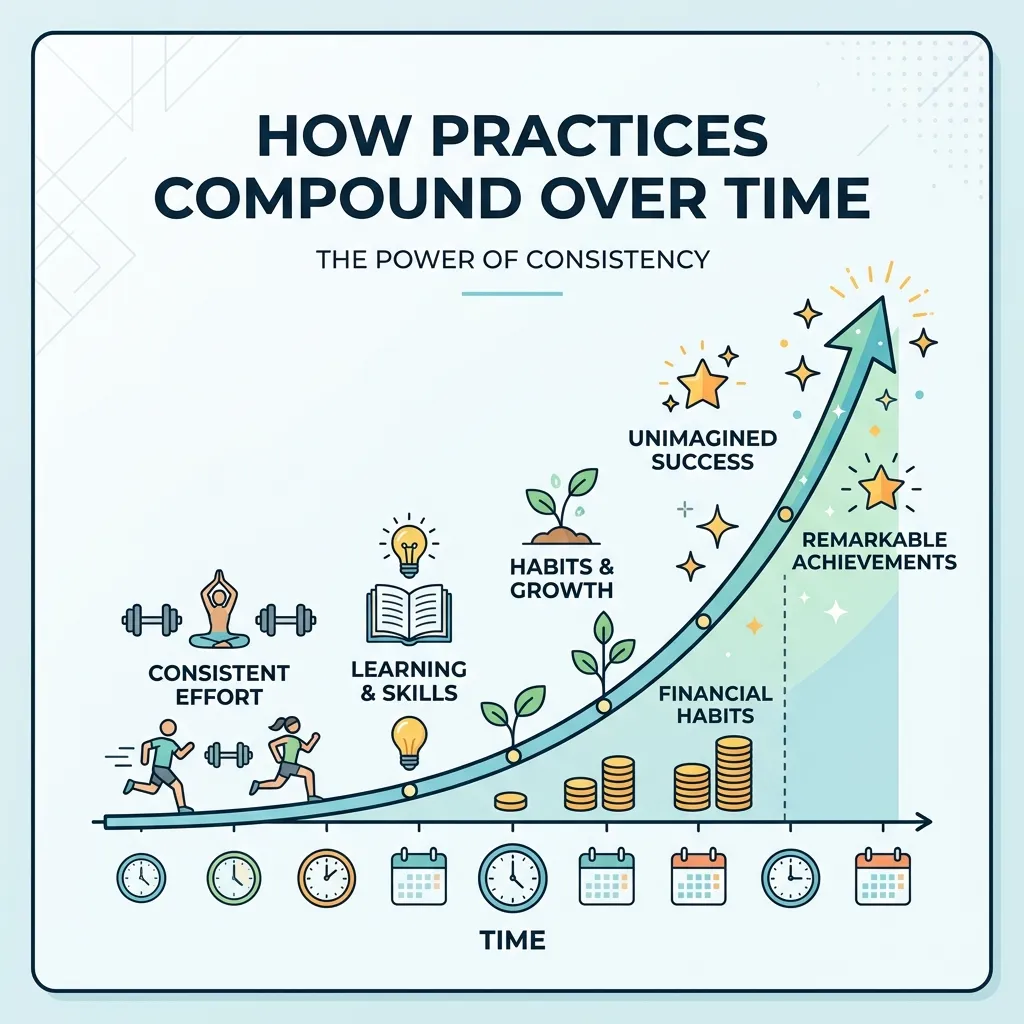
None of these individual practices produces dramatic results on their own, but together they compound in a way that’s difficult to replicate through any single tactic. A program built on the right timing, genuine recognition, consistent story collection, and outcome-focused measurement tends to keep generating referrals and testimonials years after launch, long after programs built on a single strong initial push have quietly gone dormant. The discipline is in maintaining these habits consistently rather than executing any one of them perfectly once and moving on.
This compounding effect is easy to underestimate because the individual practices described in this guide can each seem modest on their own. Timing an ask correctly might improve a single request’s response rate by a noticeable margin, but it won’t transform a program overnight. Layer that improved timing on top of better segmentation, more genuine recognition, and continuous story collection, and the cumulative effect over a year looks nothing like the sum of its individual parts. This is precisely why treating advocacy as a set of ongoing habits, rather than a checklist to complete once, produces such a different outcome over time.
Conclusion
Customer advocacy best practices are less about a single clever tactic and more about the accumulated discipline of doing several small things consistently well: identifying advocates who already show the behavior, timing every ask around genuine value delivered, making requests specific and easy to act on, recognizing participation in ways that feel genuine, and measuring outcomes rather than just enrollment. Treat the program as an ongoing practice rather than a one-time campaign, and these habits compound into a customer advocacy engine that keeps generating referrals, reviews, and testimonials long after the initial launch excitement has faded.
Frequently Asked Questions About Customer Advocacy Best Practices
What Are the Most Important Customer Advocacy Best Practices?
Timing the ask around genuine value delivered, making requests specific and low-effort, and recognizing advocates authentically rather than purely transactionally are among the most consistently impactful practices.
How Do I Know When to Ask a Customer to Become an Advocate?
Look for natural signals like a renewed contract, positive support interaction, or a milestone reached in the product, rather than asking on a fixed schedule unrelated to the customer’s actual experience.
Should Every Advocate Be Asked to Participate the Same Way?
No. Segmenting advocates by their preferred participation type — reviews, referrals, testimonials, or introductions — produces stronger engagement than a single generic request.
Do Financial Incentives Improve Customer Advocacy Programs?
Modest incentives can help, but relying on them too heavily risks making participation feel transactional rather than genuine, which can actually reduce authenticity and long-term engagement.
How Important Is Technology for Running a Customer Advocacy Program Well?
Technology becomes important as a program scales, since manual tracking works for a handful of advocates but breaks down with larger numbers, though it should support rather than replace personal touches.
What Metrics Best Reflect Whether a Customer Advocacy Program Is Working?
Revenue attributable to advocate-driven referrals, conversion rates on advocate-sourced leads, and retention differences between participating and non-participating customers are stronger indicators than simple enrollment counts.
How Often Should Customer Stories and Testimonials Be Collected?
Continuously, through an ongoing process tied to natural milestones, rather than in a single rushed push that leaves the story library outdated within a year or two.
What Role Does Internal Advocacy Play in a Customer Advocacy Program?
Internal advocacy ensures customer feedback surfaced through the program actually reaches product and support teams, reinforcing that the company genuinely values what advocates are saying rather than just collecting testimonials.
What’s the Most Common Mistake in Customer Advocacy Programs?
Asking for advocacy before a customer has experienced enough value, which undermines the authenticity of the request and often produces weak or no response.
Should a Customer Advocacy Program Have a Defined End Date?
No. The strongest programs treat advocacy as an ongoing, continuously refined practice rather than a time-limited campaign with a fixed start and stop.
How Do I Keep Advocates Engaged Over the Long Term?
Consistent, genuine recognition, variety in how they’re asked to participate, and visible evidence that their input actually influences the business all help sustain engagement over time.
Can a Small Business Apply These Customer Advocacy Best Practices Without a Big Budget?
Yes. Many of the most effective practices, like proper timing and specific, low-effort requests, cost nothing and matter more than expensive incentive programs or dedicated software.
::