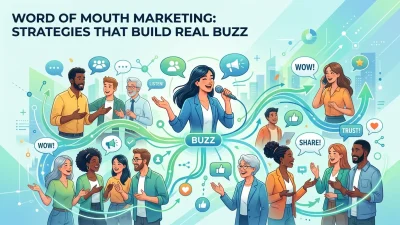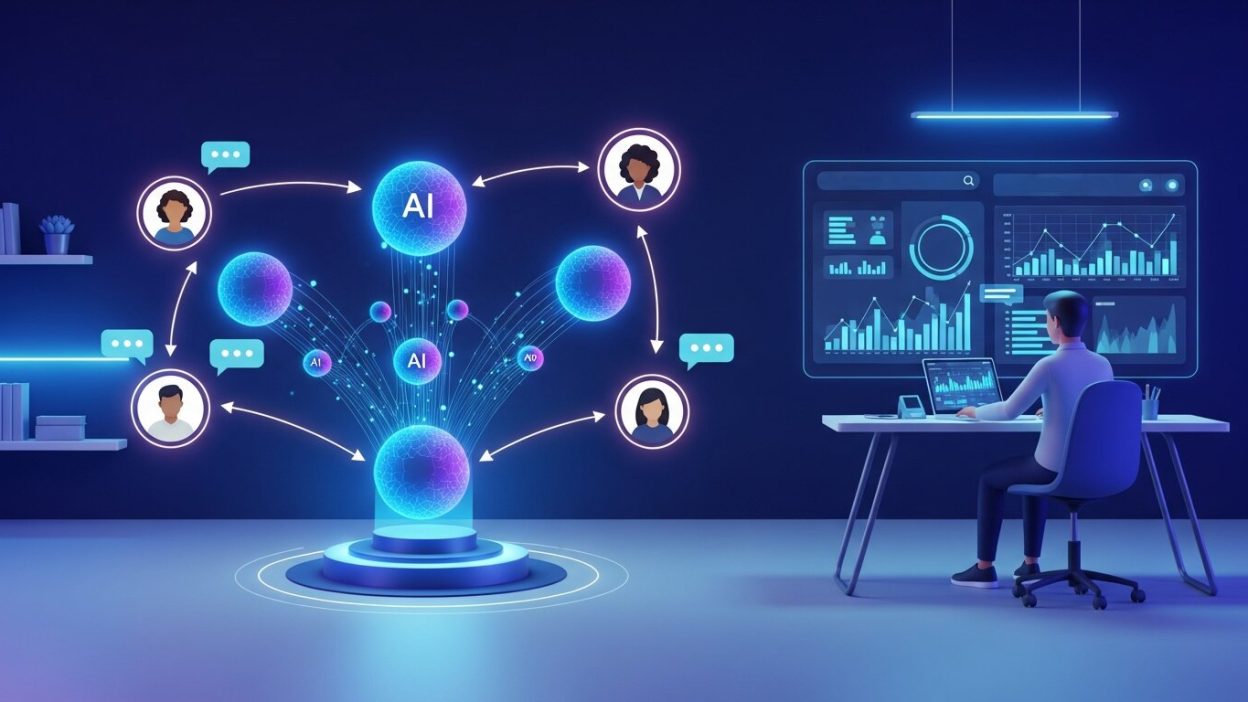
Authentic customer advocacy drives growth more effectively than traditional advertising, as users increasingly trust real experiences over promotional messages. As a result, brands are using AI chatbots to create meaningful conversations, identify satisfied customers, and encourage them to share positive experiences naturally with others. These intelligent systems work around the clock, helping businesses turn everyday interactions into opportunities for word-of-mouth growth.
WOM Marketing with AI Chatbots is becoming a powerful strategy as companies leverage conversational AI to automate referrals, improve customer engagement, and scale advocacy without increasing manual effort.
This article explores how AI chatbots support word-of-mouth marketing, their key benefits, and practical best practices for building stronger customer relationships and driving organic growth through automation.
Understanding AI Chatbots in Today’s Digital Marketing Ecosystem
At their core, AI chatbots are software programs designed to simulate human conversation using natural language processing (NLP) and adaptive learning algorithms. Unlike rule-based bots that follow fixed scripts, these intelligent systems understand context, learn from interactions, and deliver more personalized responses. They can be integrated into websites, social media platforms, and messaging apps to assist users, answer questions, and guide them through different stages of the customer journey.
Modern chatbots use advanced NLP models and neural networks to interpret user intent, detect sentiment, and provide relevant, context-aware replies. This makes them highly effective for real-time engagement and customer support. Their ability to personalize conversations and respond instantly has made them a key tool in modern marketing strategies.
In WOM Marketing with AI Chatbots, these systems play an even more strategic role. They not only support customers but also identify positive experiences and encourage satisfied users to share reviews, referrals, or recommendations. By recognizing moments of high satisfaction, chatbots can naturally prompt users to spread word-of-mouth, turning everyday interactions into powerful growth opportunities.
Key Benefits of AI Chatbots for Amplifying Referrals
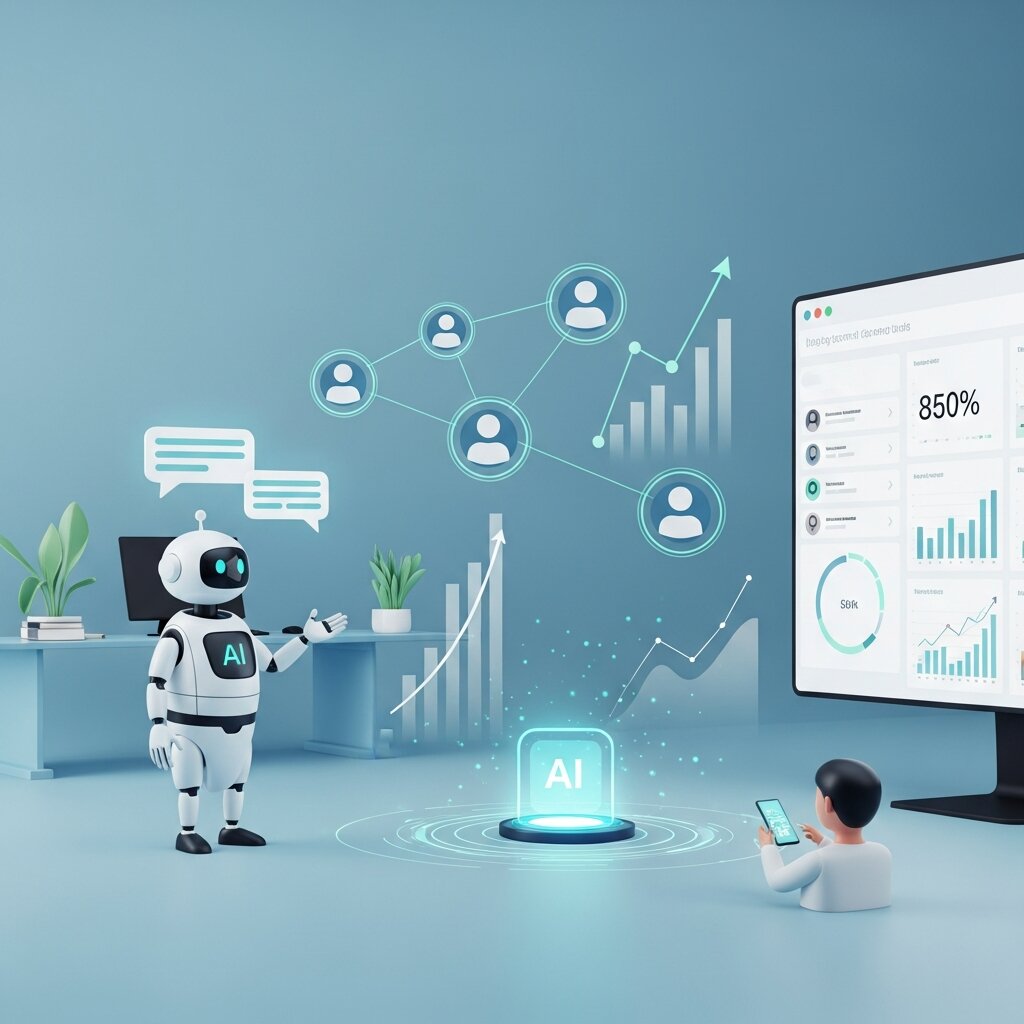
Implementing AI chatbots yields a variety of advantages for referral-driven campaigns. Brands that embrace these tools can expect significant improvements in responsiveness, personalization, and data-driven marketing.
Uninterrupted Availability
One of the most compelling benefits of AI chatbots is their 24/7 accessibility. This constant availability supports modern engagement expectations shaped by the evolution of word-of-mouth marketing in the AI age, where instant responses often determine whether a customer becomes an advocate or drops off. Chatbots never pause, ensuring that any positive interaction—whether at midnight or during peak business hours—can be captured and converted into referral opportunities.
Tailored Conversations
Through integration with customer relationship management (CRM) systems, AI chatbots access past purchases, preferences, and browsing patterns. This holistic view enables each dialogue to feel uniquely personalized. As a result, the ask for a referral feels less transactional and more like a friendly suggestion, which boosts the likelihood of sharing.
Effortless Scalability
Whether you’re managing dozens or hundreds of customer interactions, AI chatbots maintain consistent response quality without additional staffing. Government studies on digital service scalability, such as reports by the U.S. National Institute of Standards and Technology (NIST, https://www.nist.gov), confirm that automated systems handle variable volumes more efficiently than human teams during peak demand.
Data-Driven Insights
Every chatbot interaction generates valuable metrics—from sentiment analysis and satisfaction ratings to referral link click-throughs. Brands can use these analytics to identify friction points, refine messaging, and optimize incentives. Continuous monitoring leads to iterative improvements that boost referral conversion rates over time.
Automated Referral Pathways
By embedding clear calls-to-action within conversation flows, AI chatbots guide satisfied users to share referral codes or submit testimonials on social channels. Automated prompts reduce the friction of manual outreach, making the referral journey seamless and highly adoptable.
Proven Strategies to Elevate Word-of-Mouth with AI Chatbots
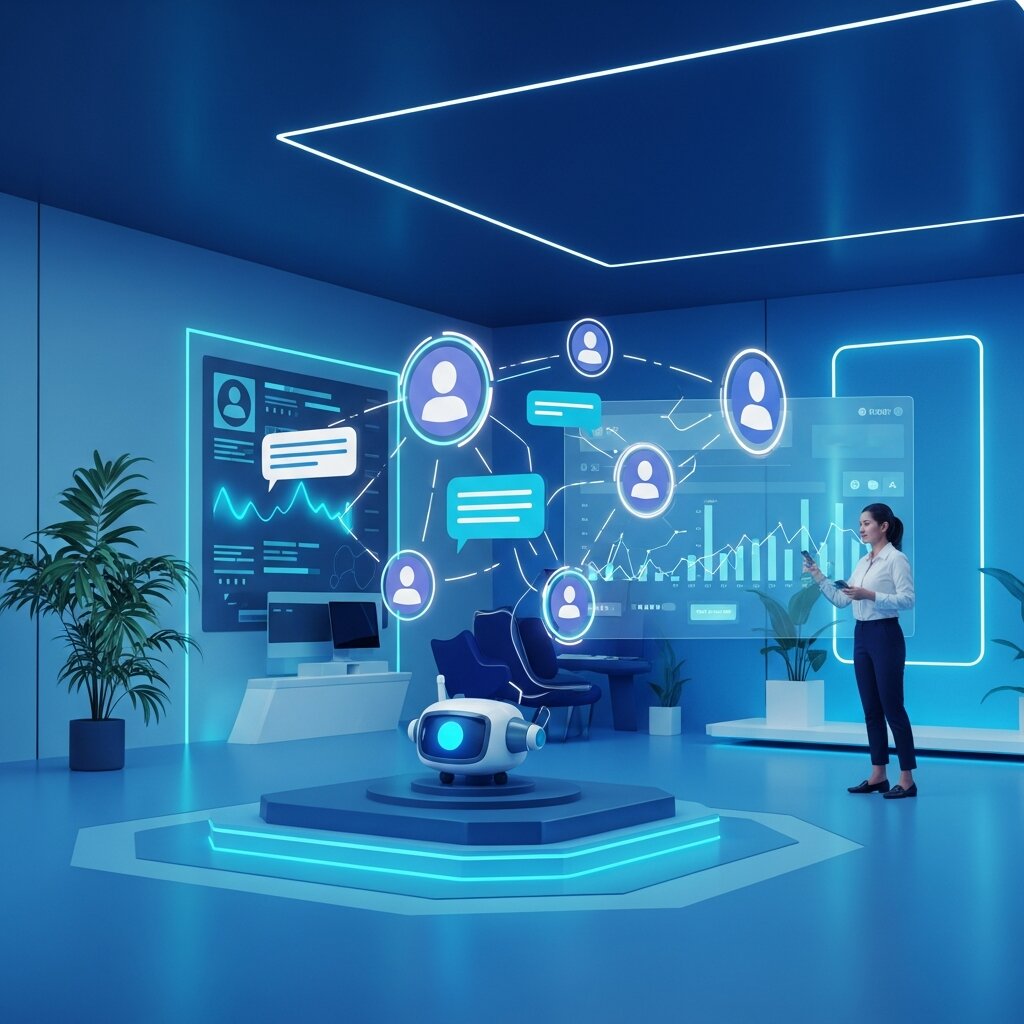
Integrating AI chatbots into your referral ecosystem goes far beyond simply installing a tool on your website or messaging platform. To make them truly effective, you need carefully designed conversational flows that feel natural, engaging scripts that encourage interaction, and smart timing that identifies the right moment to request feedback or referrals. The goal is to make every interaction feel helpful first, while gently guiding satisfied users toward sharing their experience.
In WOM Marketing with AI Chatbots, success depends on combining personalization with automation. Chatbots should be programmed to recognize positive sentiment, respond at peak satisfaction moments, and offer value-driven incentives such as discounts, rewards, or exclusive content for referrals. When these elements work together, AI chatbots can seamlessly transform happy customers into active brand advocates, significantly amplifying word-of-mouth growth.
A strong starting point is learning how to create a referral program that drives word-of-mouth, where incentives, timing, and messaging are structured to maximize sharing behavior.
Craft Conversational, Persona-Driven Dialogue
People respond to authenticity. Design your chatbot’s tone to mirror a helpful friend—use simple language, sprinkle in light humor, and express genuine gratitude before pitching a referral. Persona-driven dialogue fosters trust and encourages users to reciprocate by sharing their experience.
Trigger Outreach at Peak Satisfaction Moments
Timing is everything. Configure your chatbot to initiate a referral request right after positive signals, such as order confirmations or five-star reviews. By striking when satisfaction is fresh, you tap into a customer’s goodwill and prompt higher referral activity.
Reward Sharing with Meaningful Incentives
Incentives accelerate participation. Offer value-rich perks—exclusive e-books, VIP access to new features, or a limited-time discount—to customers who successfully refer peers. Clearly communicate the reward structure to amplify motivation.
Integrate Rich Media to Boost Engagement
Visual prompts can elevate click-through rates. Embed concise videos, interactive GIFs, or eye-catching graphics in the chatbot conversation to showcase product highlights or demonstrate how the referral program works. Rich media makes the share request more memorable.
Embed Social Proof within Chat Flows
Showcasing testimonials directly in the chatbot interface builds credibility. Automatically surface real customer quotes or ratings during the referral dialogue to reinforce trust. Prospective advocates are more likely to share when they see peers endorsing your brand.
Continuously Optimize Based on Analytics
Leverage built-in analytics dashboards to monitor referral conversion rates, average response times, and customer satisfaction scores. Identify underperforming prompts or script variations and iterate rapidly to improve overall results.
Implementing AI Chatbots into Your Referral Workflow
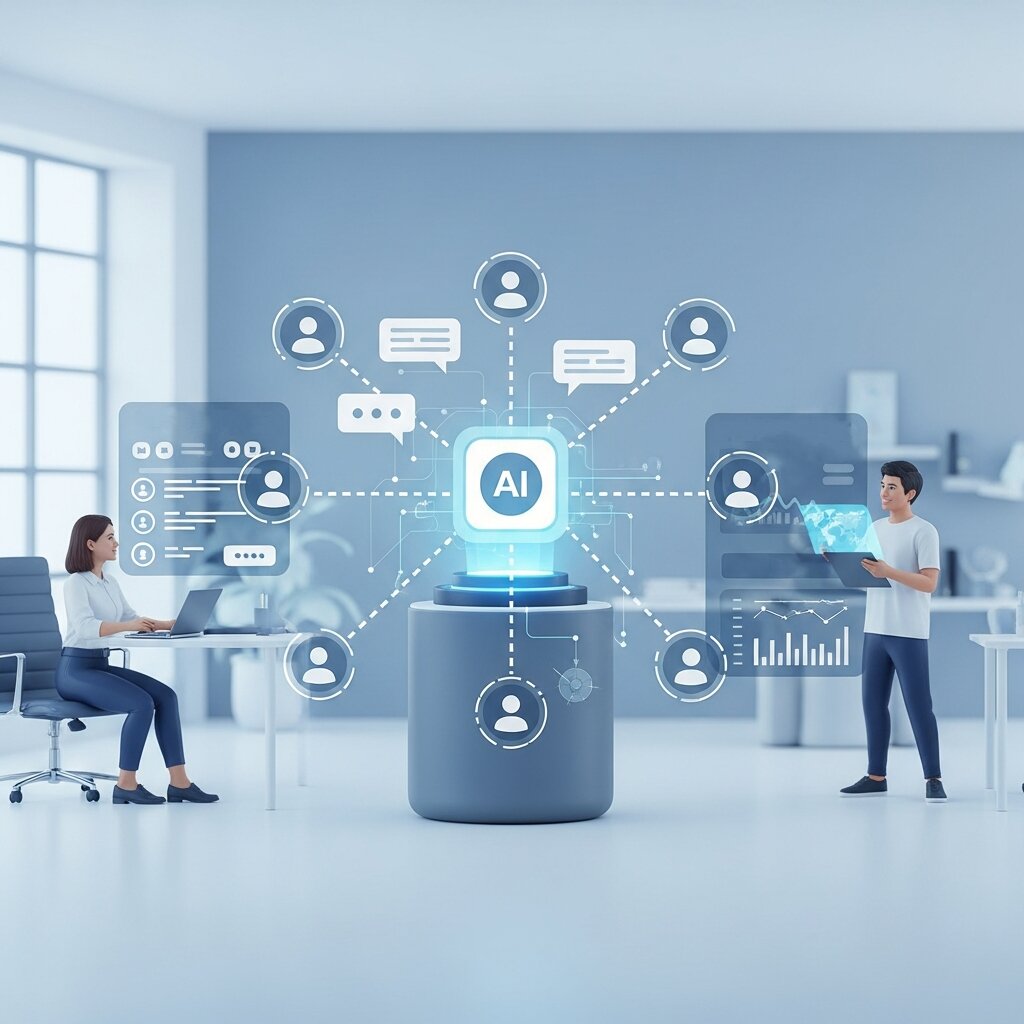
Getting started with AI chatbots can be straightforward if you follow a structured approach. Below are five critical steps to ensure a smooth deployment.
Select a Compatible Chatbot Platform
Choose a provider that integrates seamlessly with your e-commerce platform, CRM, and social media channels. Evaluate vendor capabilities such as AI sophistication, analytics depth, and multi-channel support to find the right fit.
Define Clear Objectives and KPIs
Before launch, pinpoint your goals—whether that’s increasing referral sign-ups by a certain percentage or boosting average order value from referred customers. Establish KPIs such as referral conversion rate, customer satisfaction score (CSAT), and average referral journey length to measure impact.
Design Intuitive Conversation Flows
Map out each user’s journey from initial greeting to referral confirmation. Include fallback options for unclear inputs and ensure smooth transitions between support inquiries and referral prompts. Well-structured flows reduce drop-off and elevate completion rates.
Run a Pilot Program
Deploy the chatbot to a select group of existing advocates or frequent purchasers. Collect qualitative feedback on tone, timing, and incentive appeal. Use pilot data to refine scripts and adjust triggers before a full-scale rollout.
Scale and Maintain Continuous Improvement
Once optimized, expand the chatbot’s reach across all customer touchpoints—website, mobile app, and messaging apps like Facebook Messenger. Regularly audit performance metrics and update your chatbot’s knowledge base to reflect new offerings, promotions, and customer insights.
Case Study and Measurement Framework
A mid-sized online retailer, hereafter referred to as Brand X, sought to boost referrals without increasing headcount. They implemented an AI chatbot on their website and Facebook Messenger with the following configuration:
- Post-delivery trigger to request feedback and share a referral link
- 10% discount reward for each successful referral signup
- Rich media prompts illustrating how the referral worked
Within three months this year (2026), Brand X reported a 30% rise in referral registrations. The chatbot’s CSAT score averaged 4.7 out of 5, and referral conversion rates climbed from 8% to 13%. By analyzing these interactions, the marketing team fine-tuned incentive tiers and rephrased scripts, leading to further improvements.
Key metrics to monitor for any AI chatbot-powered referral initiative include:
- Referral Conversion Rate: Percentage of chatbot sessions ending in a referral link click or sign-up.
- Customer Satisfaction Score (CSAT): Post-chat survey rating to evaluate user experience.
- Average Response Time: Chatbot reply speed, with faster responses boosting engagement.
- Return on Investment (ROI): Revenue from referred customers versus chatbot implementation and maintenance costs.
FAQ
How do AI chatbots identify the best moment to ask for a referral?
AI chatbots use sentiment analysis and trigger points—such as order confirmations, positive feedback, or high satisfaction ratings—to determine when a customer is most receptive to a referral request.
What types of incentives work best for chatbot-driven referrals?
Value-rich perks like exclusive content, early access to features, or percentage discounts tend to motivate sharing. The key is to align incentives with customer interests and clearly communicate the reward structure within the chatbot flow.
Can chatbots integrate with existing CRM and e-commerce platforms?
Yes, most modern AI chatbot providers offer plug-and-play integrations or APIs for seamless connectivity with popular CRM systems, e-commerce platforms, and messaging apps, ensuring personalized and data-driven conversations.
What is WOM Marketing with AI Chatbots?
WOM Marketing with AI Chatbots is a strategy that uses conversational AI to encourage satisfied customers to share reviews, referrals, and recommendations automatically through chat-based interactions.
How do AI chatbots improve word-of-mouth marketing?
AI chatbots enhance WOM Marketing with AI Chatbots by identifying happy customers during conversations and prompting them at the right moment to share feedback or refer others.
Why are AI chatbots effective for referral marketing?
They support WOM Marketing with AI Chatbots by working 24/7, personalizing conversations, and engaging users when they are most satisfied, which increases referral potential.
Can small businesses use AI chatbots for WOM marketing?
Yes, small businesses can easily apply WOM Marketing with AI Chatbots using affordable tools to automate engagement and build scalable referral systems.
What platforms support AI chatbots for marketing?
Chatbots used in WOM Marketing with AI Chatbots can be integrated into websites, WhatsApp, Facebook Messenger, Instagram, and other messaging platforms.
When should a chatbot ask for referrals?
In WOM Marketing with AI Chatbots, the best time to request referrals is immediately after positive interactions such as successful purchases or high satisfaction feedback.
Do AI chatbots replace human customer service?
No, WOM Marketing with AI Chatbots complements human support by handling repetitive tasks while humans focus on complex or high-value interactions.
What incentives work best for chatbot-driven referrals?
Effective WOM Marketing with AI Chatbots incentives include discounts, rewards, loyalty points, exclusive content, or special offers.
How do chatbots detect satisfied customers?
AI systems in WOM Marketing with AI Chatbots use sentiment analysis, feedback responses, and behavioral signals to identify positive customer experiences.
Is AI chatbot marketing expensive to implement?
WOM Marketing with AI Chatbots can be cost-effective, with scalable tools available for both small businesses and large enterprises.
How do you measure success in WOM Marketing with AI Chatbots?
Success is measured through referral conversion rates, engagement levels, customer satisfaction (CSAT), and the number of shared referrals generated.
What are the main challenges of using AI chatbots for marketing?
Common challenges in WOM Marketing with AI Chatbots include poor chatbot design, incorrect timing, lack of personalization, and weak CRM integration.
Conclusion
AI chatbots represent a powerful engine for scaling word-of-mouth marketing in today’s competitive environment. By offering round-the-clock support, personalized outreach, and automated referral pathways, these intelligent assistants transform satisfied customers into proactive brand advocates. To achieve strong results, focus on creating authentic conversation flows, timing referral prompts at moments of high satisfaction, and offering meaningful incentives that encourage sharing. Continuously track performance using key metrics such as referral conversion rate and customer satisfaction, then refine your approach based on real data.
In the long run, combining automation with trust-driven strategies from social proof in word-of-mouth marketing ensures sustainable, scalable, and authentic growth.