
Consumers are becoming increasingly skeptical of traditional advertising. When a company claims its product is the best on the market, buyers naturally assume there is a hidden catch. They know that marketing teams are paid to present their brands in the best possible light.
Instead of listening to corporate messaging, people turn to their friends, family members, and peers for recommendations. A genuine endorsement from a satisfied customer carries significantly more weight than the most expensive ad campaign. This shift in consumer behavior presents a massive opportunity for businesses willing to adapt.
By creating a formal structure to encourage and amplify these authentic endorsements, companies can unlock a powerful channel for sustainable growth. This structure is known as a brand advocacy program, and it represents a fundamental shift from buying attention to earning it.
If you want to reduce your reliance on paid ads and build a community of vocal supporters, developing a clear strategy is essential.
What is a Brand Advocacy Program?
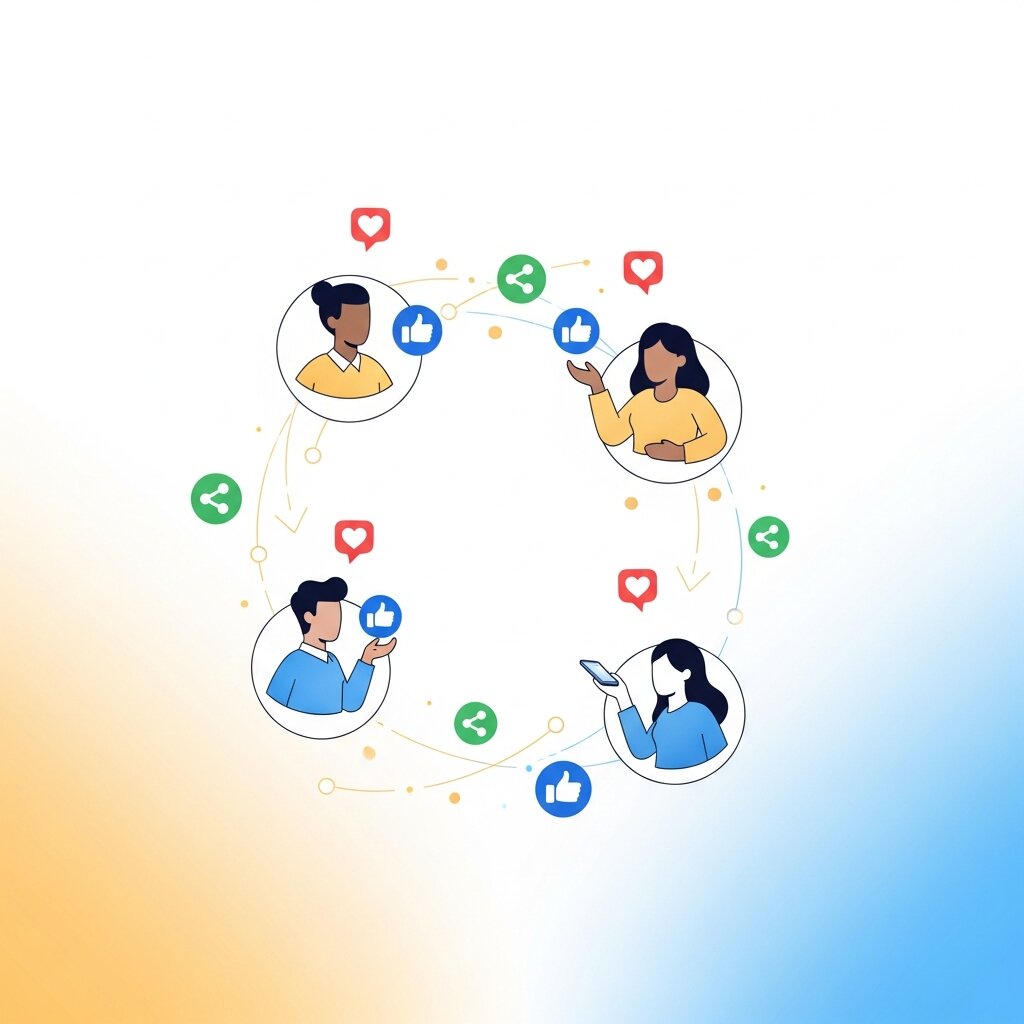
A brand advocacy program is a structured initiative designed to encourage and reward your most enthusiastic customers, employees, or partners for promoting your business. Rather than hoping people will naturally talk about your products, this program provides the tools, incentives, and direction they need to share their positive experiences with their networks.
These programs typically focus on user-generated content, social media sharing, referrals, and positive reviews. The goal is to turn passive satisfaction into active promotion. When someone participates in a brand advocacy program, they act as an extension of your marketing team, providing the social proof that modern buyers crave.
Why Your Business Needs a Brand Advocacy Program
Relying solely on paid advertising is becoming an unsustainable strategy for many companies. Customer acquisition costs are rising across almost every industry, making it harder to maintain healthy profit margins.
When comparing strategies, it becomes clear that word-of-mouth vs paid ads shows a major advantage for authentic recommendations. People trust peer opinions more than ads, which leads to higher engagement and better conversion rates.
A well-executed brand advocacy program addresses this challenge directly. Advocates generate organic reach, putting your brand in front of highly targeted audiences without the premium price tag of paid media. Because the message comes from a trusted source, the leads generated through these programs often have higher conversion rates and lifetime values.
Furthermore, these programs help build a protective moat around your business. When you cultivate a community of dedicated advocates, they become less likely to switch to competitors. They feel a sense of ownership and connection to your brand, which translates into long-term loyalty and recurring revenue.
Key Components of a Successful Brand Advocacy Program

Building a system that consistently generates high-quality referrals requires thoughtful planning and a clear understanding of what motivates people to share your brand. A successful program is not just about offering rewards, but about creating a meaningful experience that encourages genuine enthusiasm and long-term participation.
The most effective initiatives share a few core elements, such as well-defined goals, carefully selected advocates, and simple tools that make sharing effortless. They also focus on creating a strong sense of value for participants, whether through recognition, exclusive benefits, or meaningful incentives. When these components work together, they create a smooth and engaging system that naturally encourages people to promote your brand in an authentic and consistent way.
Clear Objectives and Goals
Before reaching out to a single customer, it is essential to clearly define what success looks like for your initiative. Without specific direction, even the most enthusiastic efforts can become unfocused and ineffective. You should determine whether your primary goal is to increase software sign-ups, boost e-commerce sales, improve brand awareness, or generate more positive reviews on key platforms. Setting clear, measurable objectives helps you create a structured plan and ensures every action you take is aligned with a specific business outcome. It also allows you to track progress more effectively and make informed adjustments along the way.
The Right Advocates
Meaningful Incentives
While some people will promote your brand purely out of love for the product, offering the right incentives significantly boosts participation. These rewards do not always need to be financial. Exclusive access to new features, branded merchandise, VIP event invitations, or public recognition can be highly motivating. The key is to offer something your specific audience genuinely values.
Easy-to-Use Tools
If sharing your content or referring a friend takes more than a few clicks, people will simply give up. Your brand advocacy program must remove as much friction as possible. Provide your advocates with pre-written social media posts, clear referral links, and a straightforward dashboard where they can track their rewards and impact.
Step-by-Step Guide to Launching Your Program

Moving from theory to real-world execution requires a clear and systematic approach. Instead of trying to do everything at once, it is important to break the process into manageable steps that help you build a strong foundation. Start by clearly defining your goals, understanding your audience, and deciding what success should look like for your initiative.
A practical starting point is learning how to build a brand advocacy program with clear goals, audience targeting, and simple engagement systems.
From there, focus on identifying the right participants, creating simple processes for engagement, and preparing the tools or resources they will need to take action easily. Each step should be designed to reduce friction and encourage participation. As you move forward, test your approach on a small scale, gather feedback, and refine the system before expanding it further. This structured method ensures your initiative is not only well-organized but also capable of delivering consistent and measurable results over time.
Step 1: Identify Your Biggest Fans
Start by analyzing your existing data. Look at your Net Promoter Score (NPS) surveys to find customers who rated you a nine or a ten. Review your customer support tickets for instances where users expressed extreme satisfaction. Monitor social media mentions to see who is already talking about your brand without being prompted. Create a shortlist of these highly engaged individuals.
Step 2: Create a Compelling Value Proposition
Reach out to your shortlisted candidates with a clear invitation. Explain exactly what the brand advocacy program is, what you are asking them to do, and what they will get in return. Frame the invitation as an exclusive opportunity rather than a desperate plea for marketing help. Make them feel valued and important to your company’s mission.
Step 3: Onboard and Educate
Once people agree to join, provide them with a seamless onboarding experience. Walk them through the tools they will be using and the guidelines for sharing content. Ensure they understand your brand’s core messaging, but encourage them to use their own voice. Authenticity is the main benefit of an advocacy program, so rigid scripts will only harm your efforts.
Step 4: Track, Measure, and Optimize
Launch your program and closely monitor the results against your initial objectives. Track metrics like referral traffic, conversion rates, and the overall engagement of your advocates. If participation starts to drop, reach out to your advocates for feedback. Find out what is working, what isn’t, and continuously refine your incentives and processes to keep the momentum going.
Tracking results such as referrals, engagement, and conversions is essential for improvement. Understanding measuring word-of-mouth marketing ROI helps you identify what is working and where adjustments are needed.
Frequently Asked Questions
What is a Brand Advocacy Program?
A Brand Advocacy Program is a structured system that encourages happy customers, employees, or partners to promote a business. It turns satisfied users into active promoters through referrals, reviews, and social sharing.
Why is a Brand Advocacy Program important for businesses?
A Brand Advocacy Program is important because it builds trust through real customer recommendations. People trust peer opinions more than ads, which leads to higher engagement and better conversion rates.
How does a Brand Advocacy Program work?
A Brand Advocacy Program works by identifying loyal customers, giving them tools to share their experiences, and rewarding them for promoting the brand through referrals or content sharing.
Who can participate in a Brand Advocacy Program?
Anyone who has a positive experience with your brand can join. Most Brand Advocacy Programs include loyal customers, employees, influencers, and business partners who already support your products.
What are the benefits of a Brand Advocacy Program?
A Brand Advocacy Program helps reduce marketing costs, increase organic reach, and build stronger customer loyalty. It also generates high-quality leads because referrals come from trusted sources.
How do you start a Brand Advocacy Program?
To start a Brand Advocacy Program, identify your most satisfied customers, create simple sharing tools, define rewards, and set clear goals for referrals, engagement, or sales.
What incentives work best in a Brand Advocacy Program?
Effective incentives in a Brand Advocacy Program include discounts, free products, early access to new features, exclusive events, or public recognition instead of just cash rewards.
Can small businesses use a Brand Advocacy Program?
Yes, small businesses can benefit greatly from a Brand Advocacy Program because it helps them grow through word-of-mouth marketing without needing large advertising budgets.
How do you measure success in a Brand Advocacy Program?
Success in a Brand Advocacy Program is measured by tracking referrals, engagement rates, conversion from shared links, and overall revenue generated from advocates.
What tools are used in a Brand Advocacy Program?
Many businesses use referral software, CRM systems, or dedicated advocacy platforms to manage and track their Brand Advocacy Program efficiently.
How do you keep advocates engaged in a Brand Advocacy Program?
Keeping engagement high requires regular communication, updated rewards, and recognition. A strong Brand Advocacy Program makes advocates feel valued and part of the brand’s journey.
What is the difference between influencer marketing and a Brand Advocacy Program?
Influencer marketing involves paid partnerships, while a Brand Advocacy Program focuses on organic promotion from real customers who genuinely love the brand and share it voluntarily.
How much does a brand advocacy program cost?
The cost varies widely depending on your approach. You can start a basic program using spreadsheets and simple email outreach for almost zero financial investment. As you scale, you may want to invest in dedicated advocacy software platforms, which can range from a few hundred to several thousand dollars a month. The rewards you offer will also factor into the total cost.
Can small businesses benefit from these programs?
Absolutely. In fact, small businesses often have an advantage because they can build deeper, more personal relationships with their initial customer base. A local coffee shop or a niche software startup can easily implement a brand advocacy program to drive word-of-mouth marketing within their specific communities.
What metrics should I track?
Focus on metrics that tie directly back to your business goals. Common KPIs include the number of active advocates, the volume of content shared, click-through rates on referral links, and the total revenue generated from advocate-driven leads. Tracking retention rates among your advocates is also crucial for long-term success.
Turn Your Fans Into Your Best Marketers
People naturally prefer to buy from companies they trust, and that trust is built through real, authentic relationships rather than promotional messages. When customers have a positive experience, they often become willing to share it—but most businesses never actively encourage or structure this behavior. By tapping into the enthusiasm of your happiest customers, you can turn casual satisfaction into consistent word-of-mouth growth that scales over time.
Take a closer look at your existing customer base this week and identify a handful of people who consistently engage with your brand, leave positive feedback, or show genuine appreciation for your products or services. Reach out to them personally and start a simple conversation. Begin with small actions, test different types of incentives or rewards, and observe what motivates them to share. Over time, you can refine this approach and gradually build a loyal community of supporters who actively promote your business and help it grow sustainably for years to come.