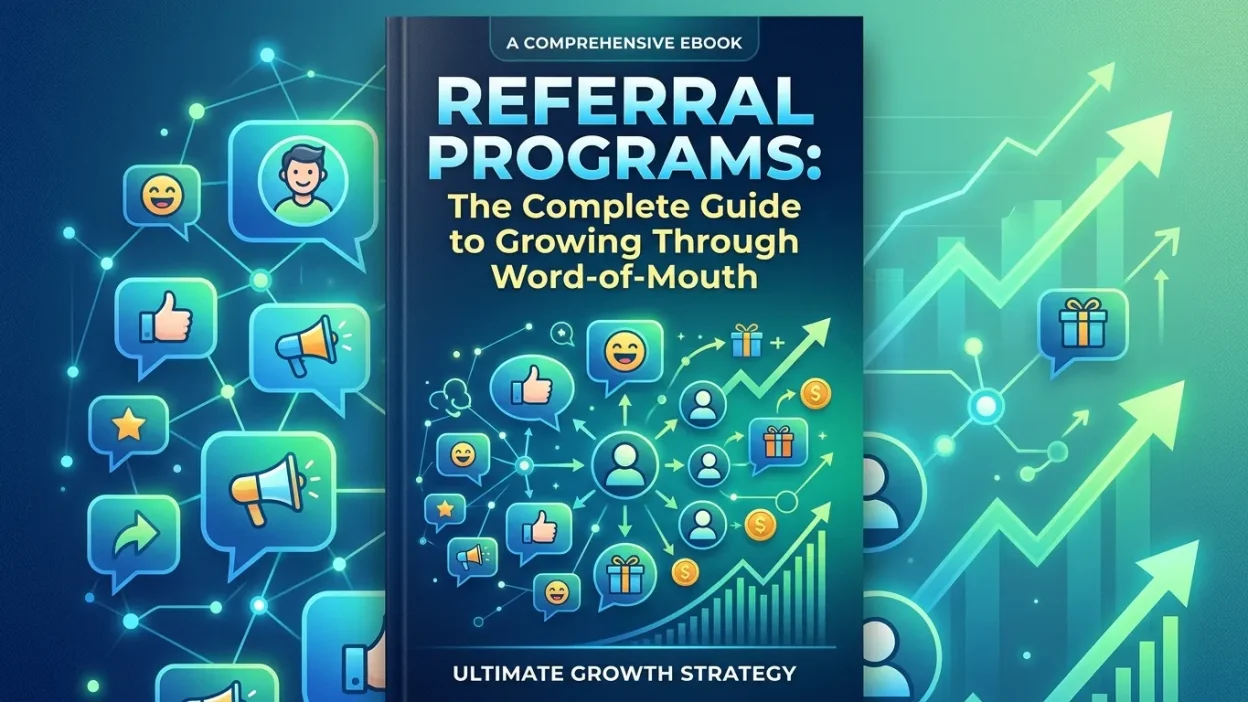
A referral program incentivizes existing customers to recommend your business to others. When done well, referral programs reduce customer acquisition costs, increase lifetime value, and generate high-quality leads. This guide covers strategies, reward structures, software tools, and best practices for building a program that actually works.
Every marketer knows the feeling: you’ve poured budget into paid ads, optimized your landing pages, and fine-tuned your email sequences—yet your best customers still come from someone telling a friend. That’s not a coincidence. Referred customers convert at higher rates, churn less often, and spend more over time. The challenge is turning that organic behavior into a scalable, repeatable system.
That system is a referral program.
This guide breaks down everything you need to build one—from structuring your referral rewards to choosing the right software and optimizing campaigns for long-term growth. Whether you’re launching your first program or overhauling an existing one, you’ll walk away with a clear roadmap.
What Is a Customer Referral Program?
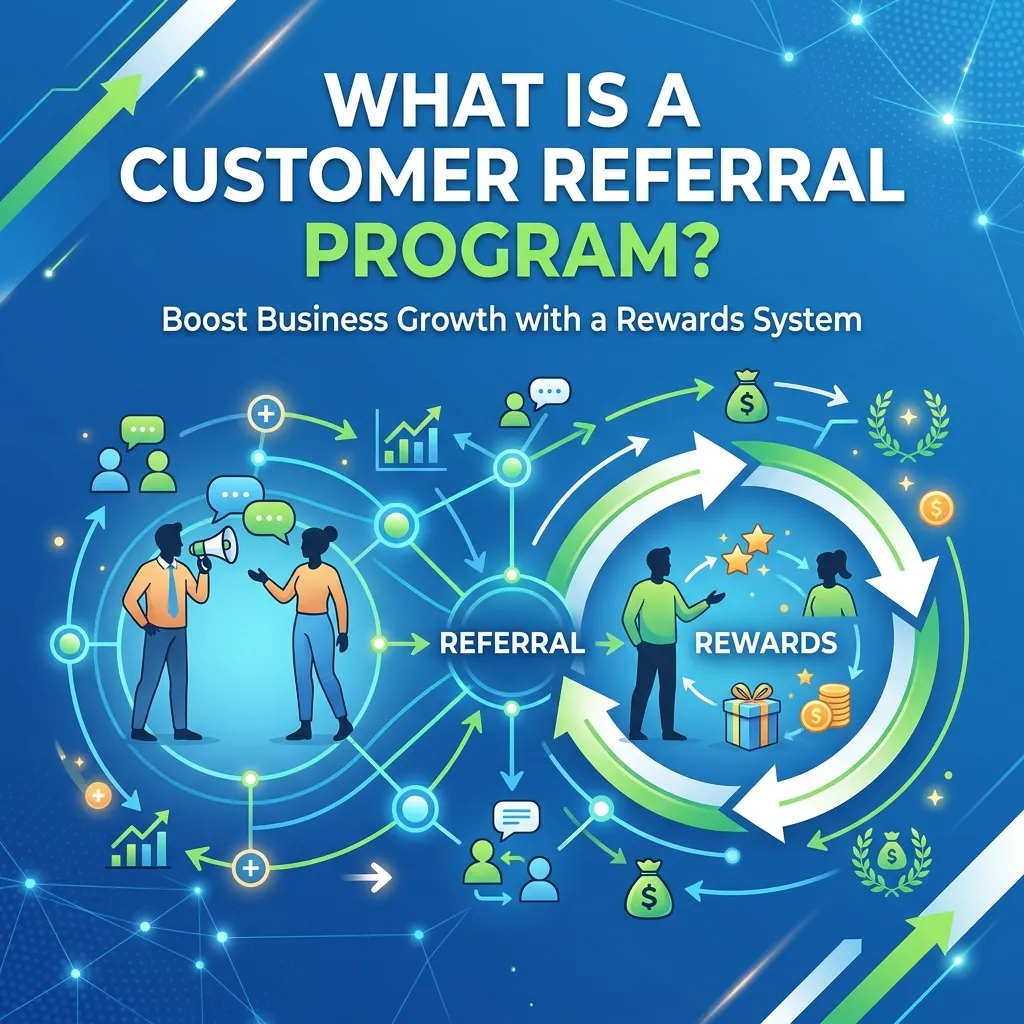
A customer referral program is a structured marketing strategy that encourages existing customers to recommend your product or service to people they know—in exchange for a reward. Unlike passive word-of-mouth, a referral program gives customers a reason to act and a mechanism to do it easily.
The basic loop works like this: a customer shares a unique referral link or code, a friend uses it to make a purchase, and both parties receive a reward. Simple in theory, but the execution determines whether the program becomes a meaningful growth channel or a neglected page on your website.
Modern referral systems are closely tied to broader customer advocacy strategy frameworks that transform buyers into long-term brand promoters.
The strongest referral programs share three traits: they offer compelling incentives, they make sharing frictionless, and they reach customers at the right moment in the journey.
Why Referral Marketing Outperforms Traditional Acquisition Channels
Referral marketing taps into something paid channels can’t manufacture—trust. According to Nielsen, 92% of consumers trust recommendations from people they know over any form of advertising. That trust translates directly into conversion rates.
Referred customers also tend to be more valuable over time. Research from the Wharton School of Business found that referred customers have a 16% higher lifetime value than non-referred customers. They’re already pre-qualified by the person who sent them, which means less convincing and a faster path to purchase.
From a cost perspective, referral lead generation is significantly more efficient than paid acquisition. You’re not bidding against competitors for attention—you’re leveraging relationships that already exist.
Social validation also plays a huge role here, especially when supported by social proof in word-of-mouth marketing strategies.
How to Build a Customer Referral Program From Scratch
Step 1: Define your referral program goals
Before choosing a reward or picking software, get clear on what success looks like. Are you optimizing for volume of new sign-ups, quality of referred leads, or revenue generated? Your goals will shape every other decision.
For B2B companies, referral programs often focus on lead quality—a smaller number of high-value introductions. For B2C brands, volume tends to matter more, making ease of sharing a higher priority.
Step 2: Choose the right referral reward structure
Your referral reward program is the engine of the entire strategy. Get it wrong and customers won’t bother sharing. Get it right and sharing becomes habitual.
The three most common reward models are:
- Cash or account credit: Direct and universally appealing. Dropbox famously used this model—offering extra storage to both the referrer and the new user—and grew from 100,000 to 4 million users in 15 months.
- Discounts: Work well for subscription businesses or frequent purchasers. The reward keeps customers coming back while also bringing someone new in.
- Tiered rewards: Customers earn increasingly valuable rewards the more referrals they make. This model drives repeat sharing and is particularly effective for customer advocacy programs.
The key question when setting reward values: does the lifetime value of a referred customer justify the cost of the incentive? If a new customer is worth $300 over 12 months, a $20 referral reward is a smart investment.
Step 3: Identify the right moment to ask
Timing matters enormously. Asking a customer to refer a friend on their second day of using a product is premature. Asking right after they experience a key “aha” moment—or leave a five-star review—is far more effective.
Map your customer journey and identify moments of peak satisfaction. These are your referral triggers: post-purchase confirmation pages, post-onboarding emails, loyalty milestones, or immediately after a positive support interaction.
Step 4: Make sharing effortless
A referral program lives or dies on friction. If sharing a link requires more than two clicks, most customers will abandon the process. Build for convenience: one-click sharing, pre-written messages customers can customize, and links that work across email, SMS, and social media.
Mobile-first design is non-negotiable here. A significant share of referrals happen on mobile devices, and a clunky mobile experience will suppress participation regardless of how attractive the incentive is.
Referral Marketing Strategies That Drive Real Results
Leverage your highest-satisfaction customers first
Not all customers are equally likely to refer. Start with your promoters—customers who have rated you highly in NPS surveys or left positive reviews. These are your natural advocates, and a well-timed ask can activate them at scale.
Segmenting your outreach this way means your referral invitations land with people who already have something good to say. The conversion rate on these invites will be meaningfully higher than blasting your entire customer base.
Build a customer advocacy program alongside your referral program
A customer advocacy program goes a step further than referrals. It turns your most loyal customers into active brand champions—featuring them in case studies, inviting them to beta programs, and giving them early access to new features in exchange for their advocacy.
Advocacy programs create a two-way relationship that deepens loyalty and generates referrals organically, without always needing a formal incentive attached. Companies like HubSpot and Salesforce have built extensive advocacy programs that feed directly into their referral pipelines.
You can also amplify engagement using micro advocacy strategies that encourage small but frequent customer actions.
Use social proof to reinforce the program
People are more likely to participate in a referral program when they see others doing it. Display a referral leaderboard, share stories of customers who have earned rewards, or highlight the total number of referrals made to date. Social proof reduces uncertainty and signals that the program is legitimate and active.
Optimize referral campaign timing with lifecycle emails
Email remains one of the highest-performing channels for driving referral program participation. The most effective approach is embedding referral invitations into existing lifecycle email sequences rather than sending one-off campaigns.
For example, including a referral invitation in a post-purchase thank-you email keeps the ask contextually relevant. Triggered emails sent after a customer upgrades their plan or reaches a usage milestone also perform well, because the customer’s satisfaction is at a natural high point.
Referral Program Software: What to Look For
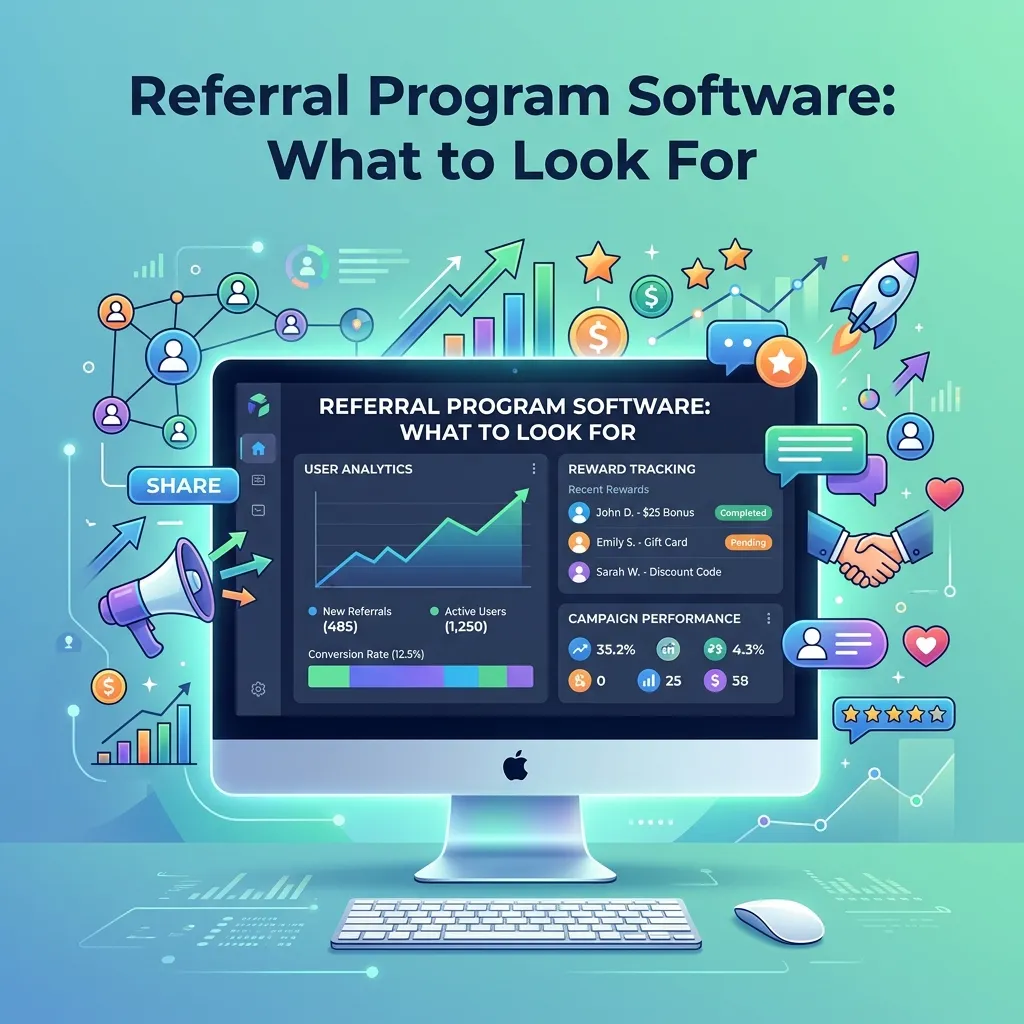
Managing a referral program manually is only feasible at very small scale. As soon as you’re dealing with hundreds of participants, you need referral program software to track referrals, automate reward distribution, and generate performance data.
Key features to evaluate when choosing a platform:
- Tracking and attribution: The platform should accurately track each referral from click to conversion, including multi-step journeys.
- Reward automation: Manual reward fulfillment is error-prone and time-consuming. Look for platforms that automate this based on customizable triggers.
- Integration with your existing stack: Your referral software should connect cleanly with your CRM, email platform, and e-commerce system.
- A/B testing capabilities: Referral campaign optimization requires the ability to test different incentives, messaging, and entry points.
Popular referral program platforms include ReferralCandy, Friendbuy, Extole, and Referral Rock. For SaaS businesses in particular, Viral Loops and GrowSurf offer lightweight, developer-friendly options.
Referral Marketing Best Practices to Maximize Performance
Keep the program visible. A referral program that customers can’t find won’t generate referrals. Add it to your navigation, your account dashboard, your post-purchase emails, and your app’s main menu.
Test your incentives regularly. What works at launch may not work 12 months in. Run A/B tests on reward types, values, and messaging to continuously improve conversion rates.
Protect against fraud. Self-referrals and fake accounts are a real problem in referral programs. Use software with built-in fraud detection, and set clear terms and conditions around what qualifies as a valid referral.
Communicate clearly. Customers should always know how many referrals they’ve made, what rewards they’ve earned, and what they need to do to claim them. Ambiguity kills participation.
Close the loop. When a referral converts, notify the referring customer immediately. A real-time reward notification reinforces the behavior and encourages them to share again.
How to Measure Referral Program Success
Tracking the right metrics turns your referral program from a guessing game into a growth lever. Focus on these key performance indicators:
- Referral conversion rate: The percentage of referred visitors who become customers
- Customer acquisition cost (CAC) via referral: Compare this against your other channels to validate ROI
- Referral participation rate: The percentage of existing customers actively making referrals
- Referred customer lifetime value (LTV): Are referred customers more valuable than those from other channels?
- Viral coefficient: The average number of new customers each existing customer brings in
A viral coefficient above 1 means your program is generating compounding growth—each cohort of customers brings in more customers than itself. Most programs operate well below 1, but even a coefficient of 0.3 or 0.4 can have a significant impact on overall growth.
Build a Referral Engine, Not Just a Campaign
Referral programs work best when they’re treated as an ongoing growth channel, not a one-time campaign. That means investing in the right software, testing incentives continuously, activating your highest-satisfaction customers, and embedding referral prompts throughout the customer journey.
The businesses that win with referral marketing are those that make sharing feel natural—even rewarding—rather than transactional. When the product delivers genuine value and the referral experience is seamless, your customers become your most effective marketing channel.
Start small if you need to. Even a simple referral program with a modest incentive, promoted to your happiest customers, can generate measurable results within weeks.
Frequently Asked Questions
What is the difference between a referral program and an affiliate program?
A referral program targets existing customers and rewards them for recommending the product to friends and colleagues. An affiliate program targets third-party publishers, influencers, or marketers who promote your product to their audiences in exchange for a commission. Referral programs typically generate higher-quality leads due to the personal trust involved.
What are the best referral incentives for B2B companies?
For B2B businesses, the most effective referral incentives include account credits, cash rewards, gift cards, or exclusive access to premium features. Non-monetary rewards like co-marketing opportunities or recognition in a customer spotlight can also be powerful for B2B customers who value visibility in their industry.
How do I get customers to actually participate in a referral program?
Participation rates increase when you ask at the right moment (peak satisfaction), make sharing effortless (pre-written messages, one-click links), and offer incentives that feel proportionate to the effort. Regular reminders through email and in-product prompts also help keep the program top of mind.
How much should I spend on referral rewards?
Referral reward budgets should be based on the lifetime value of a referred customer. A common benchmark is allocating 10–20% of the expected LTV per referral as the reward budget. If a referred customer is worth $200 over their lifetime, a $20–$40 reward is a reasonable and profitable investment.
What referral program software is best for small businesses?
ReferralCandy and Viral Loops are popular choices for small businesses due to their ease of setup and affordability. Both integrate with common e-commerce and email platforms and offer tracking and reward automation without requiring a development team.
What is a referral program?
A referral program is a marketing strategy that rewards existing customers for recommending a business to new customers.
Why are referral programs important?
They help businesses gain trusted leads, reduce acquisition costs, and improve customer lifetime value.
How do referral programs work?
Customers share a unique link or code, and when someone makes a purchase, both parties receive a reward.
What are the best referral rewards?
Cash, discounts, account credits, gift cards, and tiered rewards are commonly used incentives.
When is the best time to ask for referrals?
Right after a positive experience, such as a purchase, review, or successful onboarding.
Do referral programs really increase sales?
Yes, referred customers often convert better and spend more than non-referred customers.
What is the difference between referral and affiliate programs?
Referral programs target existing customers, while affiliate programs involve external promoters or influencers.
What software can be used for referral programs?
Popular tools include ReferralCandy, Viral Loops, Referral Rock, and GrowSurf.
How do you measure referral program success?
By tracking metrics like referral conversion rate, customer acquisition cost, and lifetime value.
Can small businesses use referral programs?
Yes, even simple referral systems can drive strong growth for small businesses.