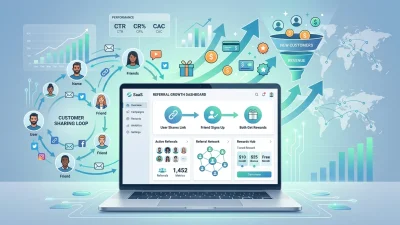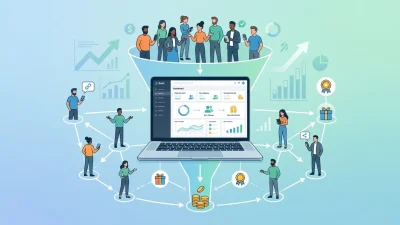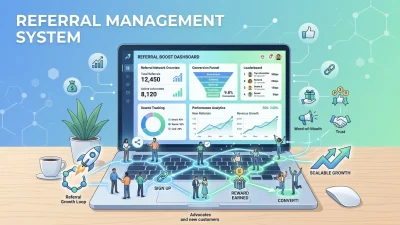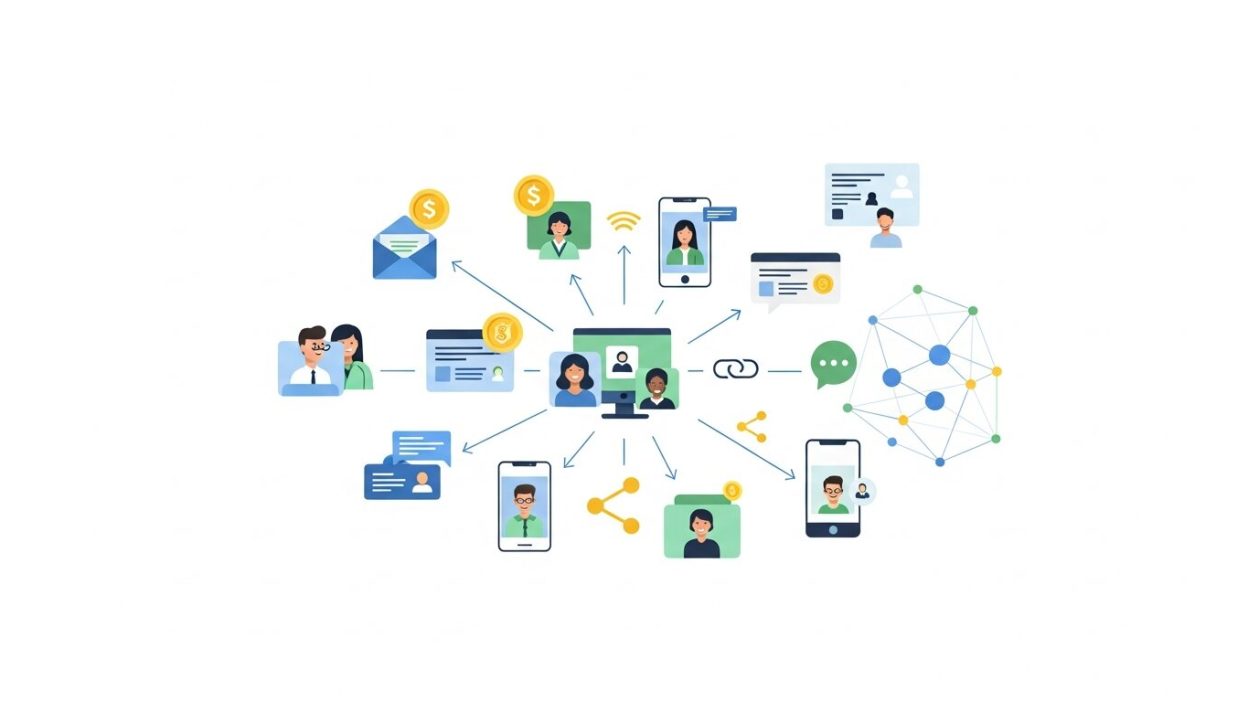
People trust recommendations from friends and family more than almost any other type of advertising. When a satisfied customer shares their positive experience with someone they know, the resulting lead is often highly qualified and ready to buy. This organic sharing happens naturally, but relying on chance means leaving substantial growth on the table. Businesses that systematize this process see a much higher return on their marketing investments.
Learning exactly how to do referral marketing can transform your existing customer base into an active, motivated sales force. A structured program encourages brand advocacy, tracks successful conversions, and rewards those who help your company grow. By providing the right incentives and making the sharing process frictionless, you establish a reliable pipeline of new business that scales alongside your current operations.
This guide explores the essential components of a successful referral engine. You will learn actionable steps to build a program from scratch, discover the tools needed to manage it, and review examples of campaigns that drive real results.
Referral Marketing Strategies for Businesses
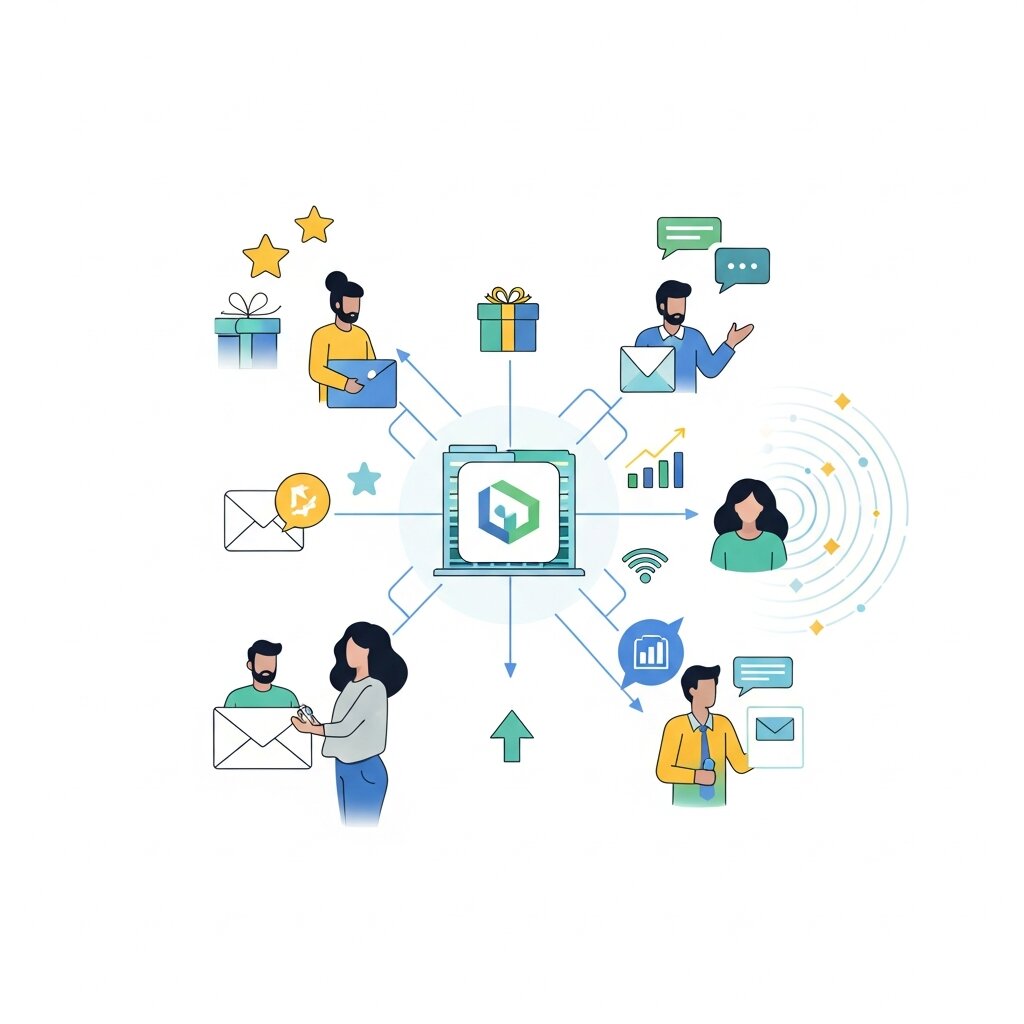
Building a strong referral system takes more than simply asking customers to recommend your brand. It requires a well-planned approach that fits your brand identity and meets customer expectations. When done correctly, referral marketing feels like a natural extension of a positive customer experience rather than a forced promotional tactic. This helps build trust and encourages more organic sharing.
A successful strategy focuses on delivering consistent value at every stage of the customer journey. Brands that understand how to build brand advocacy programs are more likely to generate long-term referral growth because customers feel genuinely connected to the business. From the first interaction to post-purchase support, every touchpoint should reinforce satisfaction and confidence in your brand. When customers feel valued and understood, they are far more likely to share your business with others without hesitation.
Word of Mouth Marketing Strategies
Word of mouth marketing is built on exceptional customer experiences that naturally inspire people to talk about your brand. It starts with delivering high-quality products or services combined with excellent customer support that consistently exceeds expectations. When customers feel pleasantly surprised by the value they receive, they are more inclined to recommend your business to friends, family, and colleagues.
To strengthen this effect, it is important to understand how social proof influences word of mouth marketing. When people see others sharing positive experiences, they are more likely to trust and repeat those recommendations. These moments could include right after a smooth onboarding process, a successful purchase experience, or when a customer achieves a meaningful result using your product. Encouraging users to share feedback or experiences during these peak satisfaction points significantly increases the chances of positive word-of-mouth spreading.
Customer Referral Marketing Techniques
Effective referral techniques focus on actively engaging your existing customers and making the sharing process simple and rewarding. One powerful approach is implementing a tiered reward system, where customers receive greater benefits as they refer more people. This not only encourages initial participation but also motivates ongoing engagement, turning referrals into a continuous activity rather than a one-time action.
Another highly effective technique is using dual-sided incentives, where both the referrer and the new customer receive a benefit. This creates a win-win situation that removes any hesitation a customer might feel about promoting your brand. It also makes the referral feel more like a helpful recommendation between friends rather than a marketing push, which naturally improves conversion rates.
Modern brands also rely heavily on tools and systems designed in customer referral program frameworks to ensure tracking, automation, and reward distribution happen seamlessly.
How to Create a Referral Program
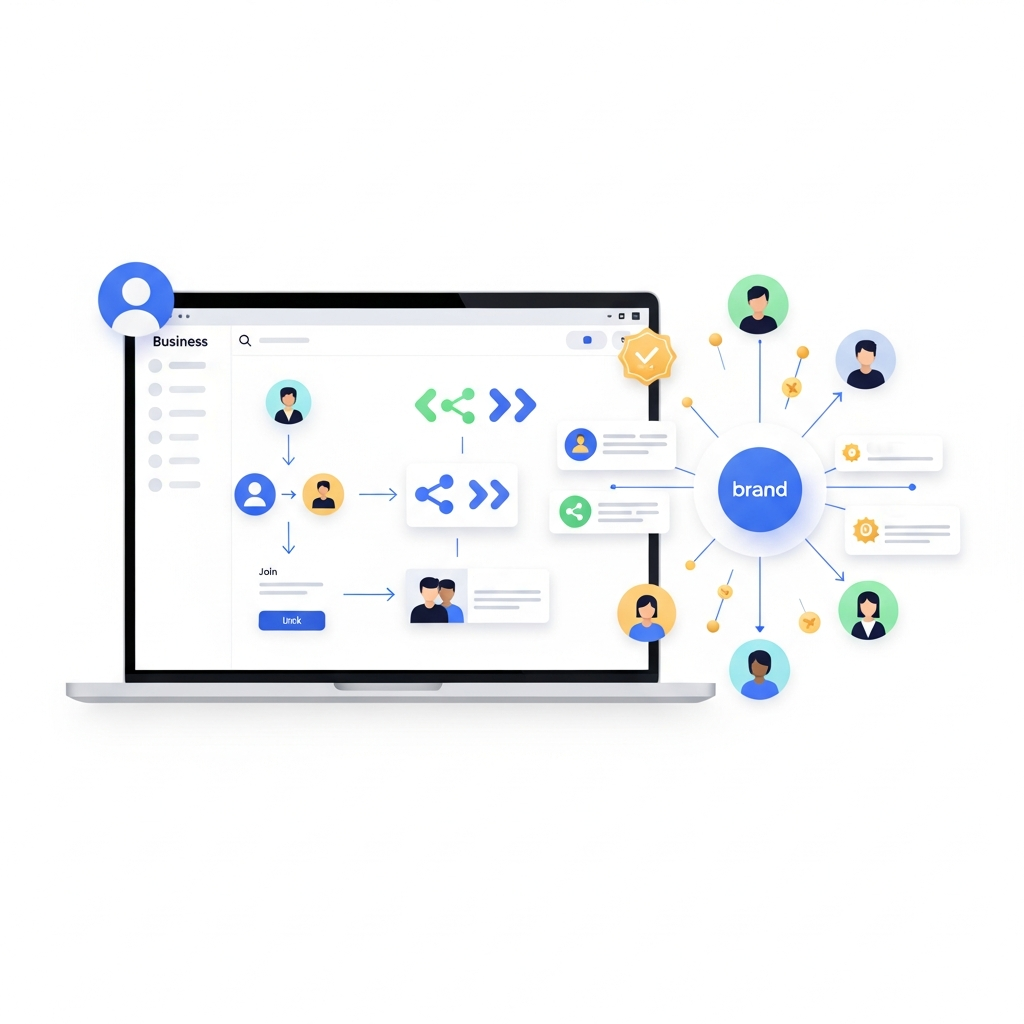
Creating a successful referral program requires clear structure, thoughtful planning, and transparent communication. The first step is to clearly define what counts as a successful referral for your business. Depending on your goals, this could be a newsletter signup, a free trial registration, a product purchase, or a subscription upgrade. Defining this outcome helps shape the entire structure of your program.
Next, it is essential to establish clear rules and expectations. Customers should understand exactly how they can participate, what actions they need to take, and how and when they will receive their rewards. Transparency plays a major role in building trust and preventing confusion or disappointment.
Finally, developing a dedicated landing page for your referral program helps centralize all the necessary information. This page should explain the benefits, outline the process in simple terms, and provide users with their unique referral links or codes. A well-designed and easy-to-navigate setup ensures higher participation and a smoother overall experience.
Incentive-Based Referral Marketing Tips
Choosing the right incentive is a critical component of how to do referral marketing effectively. The reward must be valuable enough to motivate action but sustainable enough to protect your profit margins.
Consider offering account credits, percentage discounts, or free product upgrades. For B2B companies, industry-specific rewards or cash incentives might be more appropriate. Always test different reward structures to see which generates the highest engagement from your specific audience.
Referral Marketing Campaign Ideas
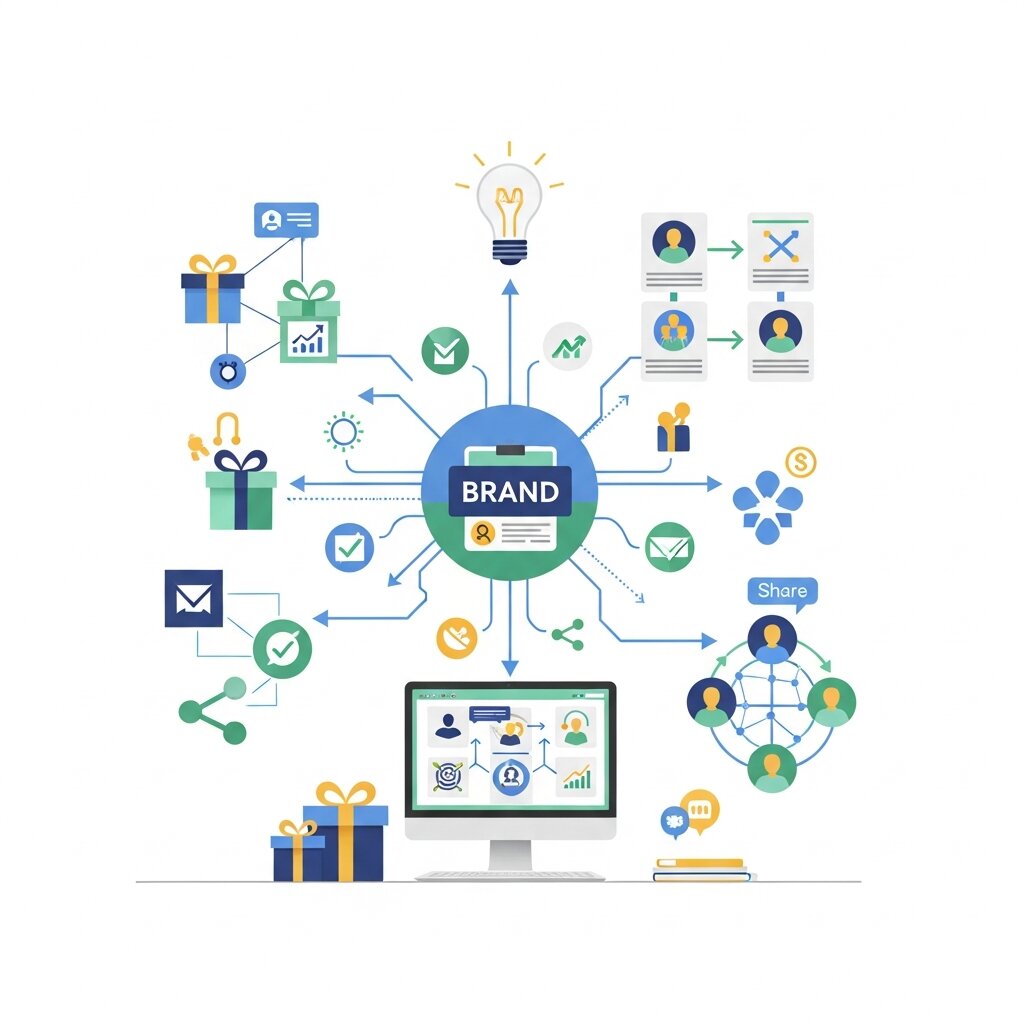
Keeping your referral program fresh requires running targeted campaigns throughout the year. Seasonal promotions, holiday specials, or limited-time reward multipliers can create urgency and reactivate dormant referrers.
You can also host referral contests. Offer a grand prize to the customer who brings in the most successful leads during a specific month. This taps into the competitive spirit of your most loyal advocates and can generate a massive spike in brand awareness.
Best Referral Program Examples
Many prominent companies have built their initial growth almost entirely through referral marketing. Dropbox famously offered extra storage space to users who invited their friends. This dual-sided incentive perfectly aligned with the core value of their product.
Uber used a similar approach, offering free ride credits to both the existing user and the new rider. This strategy rapidly expanded their user base in new cities by turning early adopters into highly motivated local promoters.
How to Increase Referrals from Customers
If your existing program is underperforming, you may need to reduce the friction involved in sharing. Ensure that your sharing buttons are prominent within your app or website dashboard. Pre-write the sharing messages for social media and email so users do not have to think about what to say.
Regularly remind your customers that the program exists. Include a brief mention of your referral rewards in your monthly newsletters, post-purchase confirmation emails, and customer support signatures. Visibility is essential for consistent participation.
Digital Referral Marketing Tools
Managing a referral program manually via spreadsheets quickly becomes impossible as your business grows. Fortunately, numerous digital tools automate tracking, link generation, and reward fulfillment.
Platforms like ReferralCandy, Ambassador, and Smile.io integrate directly with major e-commerce platforms and CRMs. These tools track who sent a specific link, whether the new user converted, and automatically dispense the promised reward. Utilizing dedicated software ensures accuracy and frees up your team to focus on strategy rather than administration.
Referral Marketing for Small Businesses
Small businesses can leverage referral marketing to compete with larger competitors without needing massive advertising budgets. Local service providers, boutique retailers, and independent consultants thrive on community trust.
For small businesses, personalized outreach often works best. A handwritten note included with an order, or a direct conversation after completing a successful project, makes the request for a referral feel intimate and genuine. Partnering with complementary local businesses to cross-promote each other’s referral programs can also expand your reach within the community.
Frequently Asked Questions
What is referral marketing?
Referral marketing is a strategy that encourages current customers to recommend a brand, product, or service to their network, usually in exchange for a reward or incentive.
How do I start a referral program?
Start by defining your goals, choosing an appropriate incentive, setting up tracking software, and promoting the program to your existing customer base.
What makes a good referral incentive?
A good incentive is highly relevant to your audience. This could be cash, store credit, discount codes, or exclusive access to new features.
How is referral marketing different from affiliate marketing?
Referral marketing focuses on existing customers sharing with friends and family. Affiliate marketing typically involves third-party content creators or influencers promoting products to an unknown audience for a commission.
How do I ask for a referral without sounding desperate?
Ask after you have delivered exceptional value. Frame the request as a way for them to help a friend experience the same great results.
Do I need expensive software to run a referral program?
No. While automated software is helpful for scaling, small businesses can start with simple referral codes or manual tracking to test the waters.
Should I reward the referrer, the new customer, or both?
Rewarding both parties (a dual-sided incentive) is generally the most effective approach because it provides motivation to share and motivation to buy.
How do I track referrals accurately?
Use unique referral links or personalized promo codes generated by dedicated referral software to attribute new sales to the correct advocate.
Can B2B companies use referral marketing?
Yes. B2B referrals are highly effective. Incentives might include statement credits, free consulting hours, or tangible corporate gifts.
What is a typical referral conversion rate?
Conversion rates vary wildly by industry, but referral leads generally convert at a significantly higher rate (often 3 to 5 times higher) than standard cold leads.
How often should I remind customers about the program?
Promote your program consistently but not aggressively. Include it in email footers, post-purchase pages, and periodic dedicated email blasts.
What if someone tries to cheat the system?
Most referral software includes fraud detection features that monitor IP addresses and email patterns to prevent users from referring themselves.
How do I know if my referral program is successful?
Track metrics such as the participation rate of your current customers, the referral conversion rate, and the lifetime value of referred customers versus non-referred customers.
Can I change my referral incentives later?
Yes, you can test and update incentives. However, clearly communicate any changes to your users to avoid confusion or disappointment.
Why is my referral program not getting any traction?
Low traction usually means the incentive is not compelling enough, the program is too hard to find, or the sharing process is too complicated.