

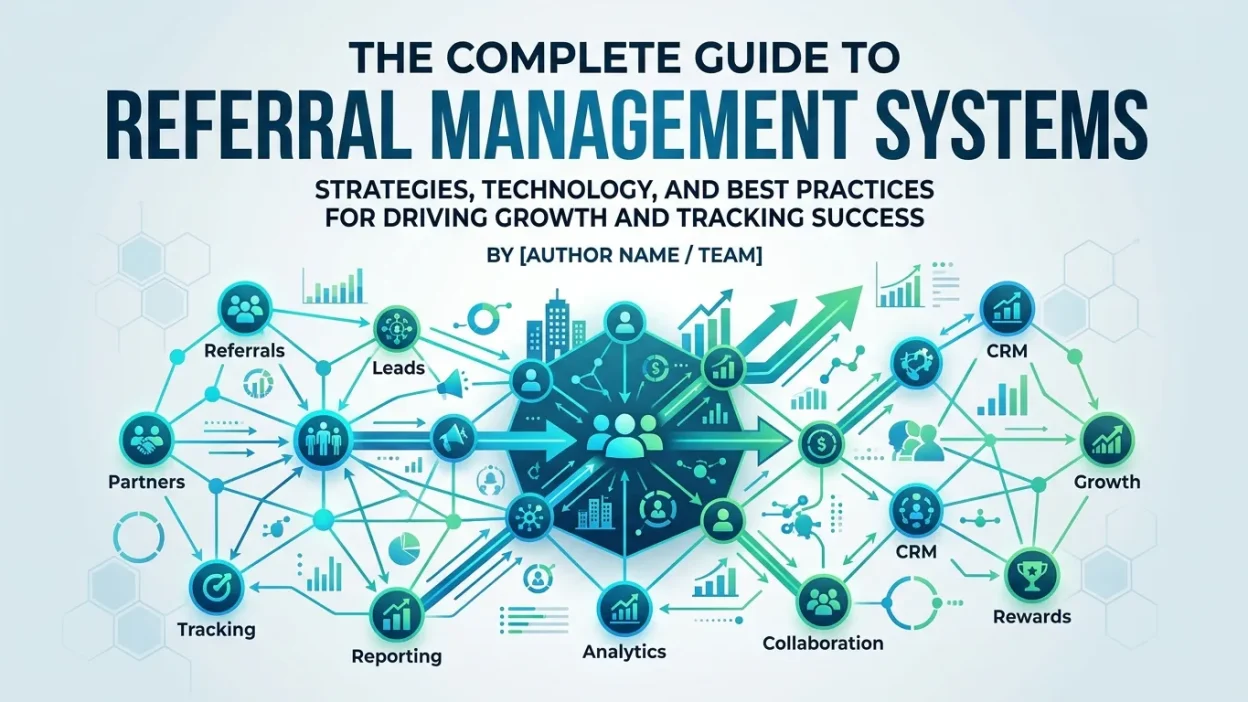
A referral management system is a software platform that helps businesses track, automate, and optimize referral programs. It handles everything from customer referral tracking to partner management and reward distribution—turning word-of-mouth into a measurable, scalable growth channel.
Word-of-mouth has always been one of the most powerful drivers of new business. A recommendation from a trusted friend carries more weight than any ad campaign, no matter the budget behind it. But left unmanaged, referrals are unpredictable. They happen sporadically, go untracked, and offer no real data to work with.
That’s exactly where a referral management system changes the equation. By bringing structure, automation, and analytics to the referral process, businesses can transform occasional word-of-mouth into a reliable, repeatable growth engine.
This guide covers everything you need to know: how referral tracking software works, what to look for in customer referral management tools, how to set up a referral reward system that actually motivates people, and how to manage referral campaigns from end to end. Whether you’re building your first referral program or optimizing an existing one, you’ll find practical, actionable guidance here.
What Is a Referral Management System?
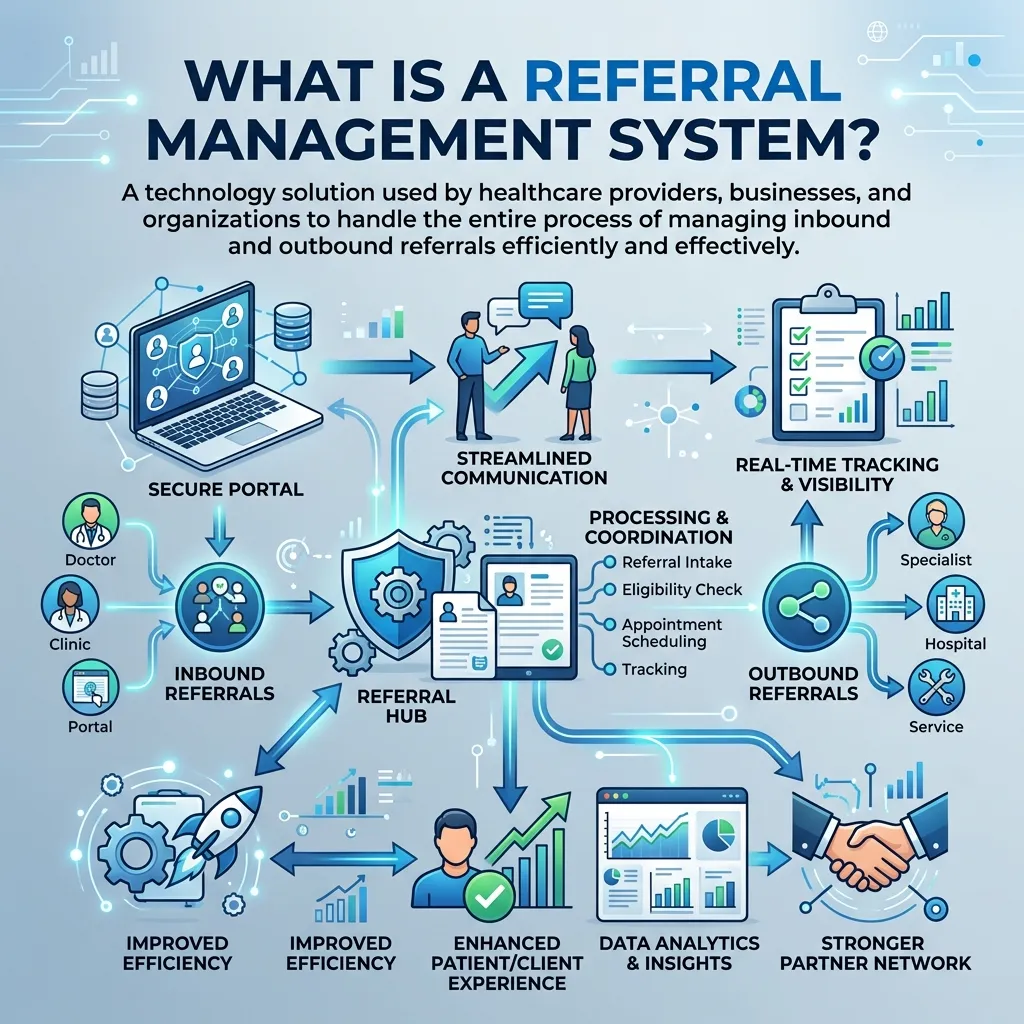
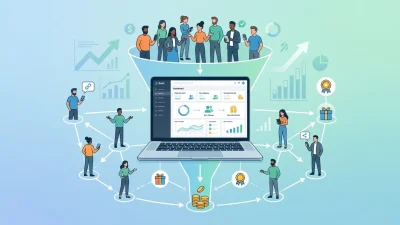
A referral management system is a software platform designed to help businesses create, manage, track, and optimize referral programs. At its core, it connects three things: the person making the referral, the new customer or lead being referred, and the reward that keeps the cycle going.
Unlike basic tracking spreadsheets or manual processes, a dedicated referral management system automates the heavy lifting. It generates unique referral links, monitors conversions, triggers reward payouts, and produces reporting dashboards that show exactly how your program is performing.
Businesses use referral management systems across a wide range of contexts—from B2C brands running customer loyalty programs to B2B companies managing complex referral partner networks. The software scales with the program, making it a practical tool for startups and enterprise organizations alike.
How Does Referral Tracking Software Work?
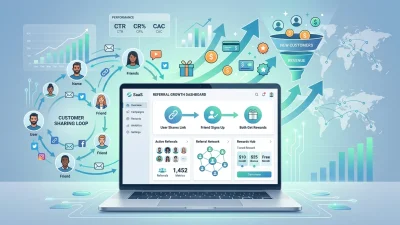
Referral tracking software monitors the journey from referral link click to completed conversion. Here’s the typical flow:
- A customer, partner, or affiliate receives a unique referral link or code.
- They share it with their network through email, social media, or direct message.
- When someone clicks the link and completes a defined action (a purchase, sign-up, or demo request), the referral tracking software logs the conversion.
- The system attributes the conversion to the correct referrer and triggers the appropriate reward.
Most referral tracking platforms use cookie-based tracking, first-party data, or custom UTM parameters to accurately attribute conversions. Advanced platforms also offer multi-touch attribution, which accounts for scenarios where a potential customer interacts with multiple referral sources before converting.
Good referral tracking software also provides fraud detection. Duplicate referrals, self-referrals, and fake conversions can drain a program’s budget fast—robust systems flag and filter these automatically.
Customer Referral Management: Turning Buyers Into Brand Advocates
Customer referral management focuses specifically on activating your existing customer base as a referral channel. The logic is straightforward: satisfied customers are already talking about your brand. A structured program gives them a reason to do it more intentionally—and rewards them when they do.
Effective customer referral management involves several key components:
- Segmentation: Identifying which customers are most likely to refer. High-value, highly engaged customers typically make the strongest advocates.
- Outreach: Prompting customers to refer at the right moment—usually shortly after a positive experience, like a successful purchase or a glowing support interaction.
- Reward fulfillment: Delivering on promised rewards quickly and reliably. Delays in reward delivery are one of the most common reasons referral programs lose momentum.
- Communication: Keeping referrers informed about the status of their referrals and any pending rewards.
A dedicated referral program software platform handles all of these steps automatically, removing the manual workload from your team while keeping the customer experience smooth.
What Should You Look for in Referral Program Software?
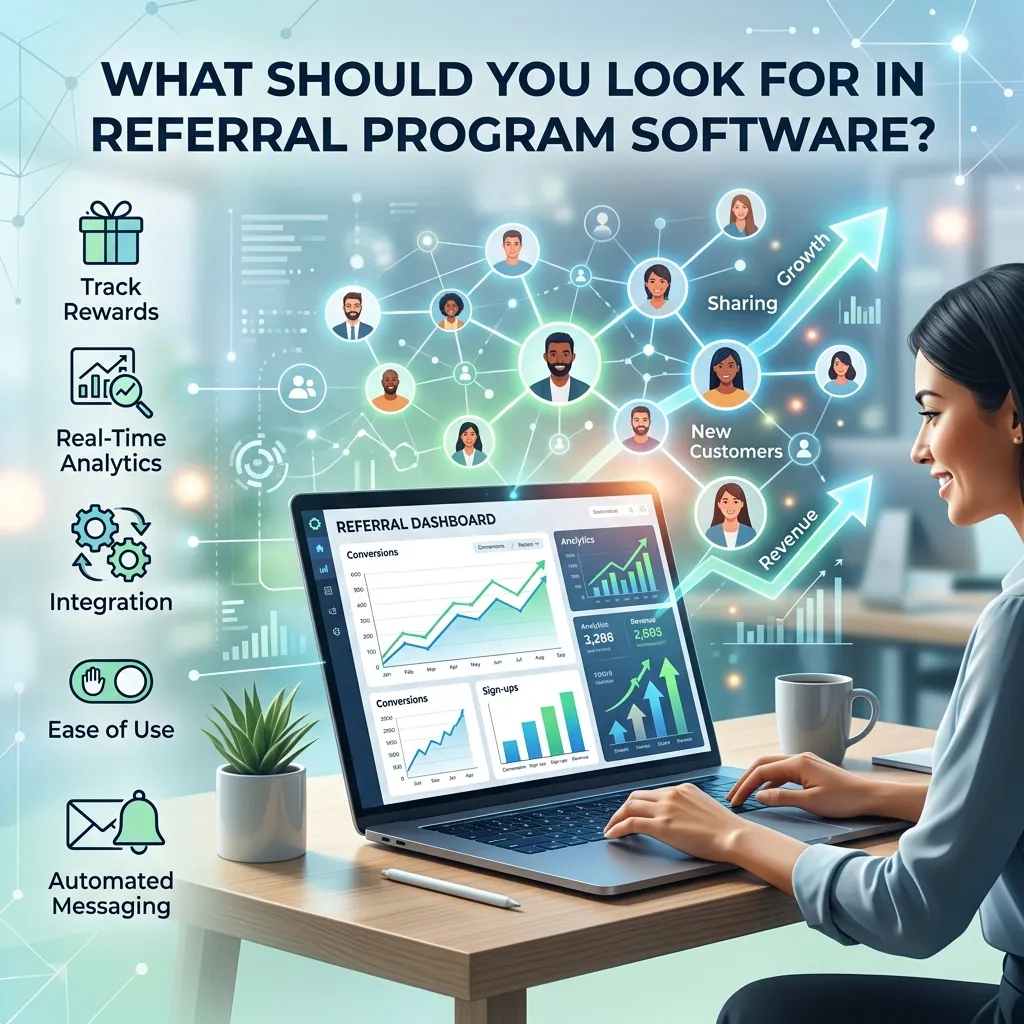
Not all referral program software is built the same. The right platform depends heavily on your business model, audience, and goals. Here are the key features to evaluate:
Does the software support your referral program structure?
Some programs offer one-sided rewards (only the new customer gets something). Others run double-sided programs where both the referrer and the referred party receive an incentive. Make sure your chosen platform supports the structure you want to run.
How flexible is the referral reward system?
A strong referral reward system should support multiple reward types—discounts, cash payouts, store credit, gift cards, or even non-monetary perks like exclusive access. The best platforms let you customize reward triggers, set reward caps, and run tiered reward structures for top referrers.
Does it integrate with your existing tech stack?
Referral program software needs to connect with your CRM, e-commerce platform, email marketing tools, and payment systems. Without clean integrations, data gets siloed and reward fulfillment becomes a manual headache.
What does the reporting look like?
Robust referral program tracking dashboards should show you conversion rates, referral source performance, reward redemption rates, and ROI—at minimum. If you can’t measure it, you can’t improve it.
Referral Marketing Platform vs. Referral Management System: What’s the Difference?
These terms are often used interchangeably, but there’s a subtle distinction worth understanding.
A referral marketing platform tends to focus on the promotional and acquisition side—helping businesses attract new customers through referral campaigns, affiliate partnerships, and influencer-driven referral programs. The emphasis is on growth and reach.
A referral management system is broader. It encompasses the entire lifecycle of a referral program, including partner onboarding, reward management, compliance tracking, and ongoing program optimization. It’s the operational backbone behind a referral marketing strategy.
For most businesses, the ideal solution combines both: a platform that’s strong on marketing automation and campaign creation, with robust backend management tools for tracking, rewards, and partner relationships.
Referral Automation Tools: Where Efficiency Meets Scale
Manual referral management works at a small scale. Once your program starts generating hundreds or thousands of referrals, automation becomes essential.
Referral automation tools handle tasks like:
- Automated reward triggers: When a referral converts, the system automatically calculates and issues the reward—no manual review required.
- Email automation: Sending referral invitations, status updates, and reward notifications without human intervention.
- Fraud detection: Automatically flagging suspicious activity based on pre-set rules.
- Program enrollment: Allowing new participants to join a referral program instantly through a self-serve portal.
The time savings from referral automation are significant. Teams that previously spent hours reconciling referrals and processing rewards can redirect that time toward program strategy and optimization. For fast-growing businesses, this kind of operational leverage is often the difference between a referral program that stagnates and one that scales.
Referral Partner Management: Building and Sustaining a Partner Network
B2B companies often run referral programs through external partners—agencies, consultants, resellers, or complementary service providers. Referral partner management is the process of recruiting, onboarding, enabling, and rewarding these partners.
Effective referral partner management requires:
- A centralized partner portal: Where partners can register leads, access marketing materials, track their referrals, and view their reward balance.
- Clear program terms: Commission structures, qualifying criteria, and payment timelines must be transparent from the start.
- Regular communication: Partners need updates on program changes, performance data, and new incentives to stay engaged.
- Tiered incentive structures: Rewarding your highest-performing partners with elevated commissions or exclusive perks keeps top affiliates motivated.
Referral partner management software often includes co-branded landing pages, partner-specific tracking links, and automated commission calculations—reducing administrative overhead and making the partner experience seamless.
How to Run Effective Referral Campaign Management
A referral campaign is a time-bound or goal-specific push to generate referrals. Referral campaign management involves planning, launching, monitoring, and optimizing these initiatives.
Strong referral campaign management typically includes:
Setting clear campaign goals: Are you trying to acquire new customers, re-engage lapsed ones, or drive sign-ups for a specific product? Your goal shapes everything from the reward structure to the messaging.
Defining the target audience: Not every customer or partner should be enrolled in every campaign. Segment your audience based on purchase history, engagement level, or partner tier to maximize relevance.
Crafting the right incentive: The reward must be compelling enough to motivate action, but economically sustainable. A common benchmark is that the cost of acquisition through referral should be lower than your standard CAC (customer acquisition cost). Test different reward types to find what resonates with your specific audience.
Monitoring performance in real time: Referral program tracking dashboards let you identify what’s working mid-campaign. If a specific channel or message is outperforming others, reallocate your efforts accordingly.
Running post-campaign analysis: After every campaign, review conversion rates, cost per referral, and reward redemption rates. Use this data to sharpen the next initiative.
Referral Software for Businesses: Choosing the Right Solution
The market for referral software for businesses spans a wide range of tools, from lightweight plug-and-play options to enterprise-grade platforms. Here’s a practical framework for choosing:
Choose a simpler tool if:
- You’re running a straightforward customer referral program with a single reward type.
- Your team has limited technical resources.
- You’re in an early stage and want to test referral marketing before committing to a more complex platform.
Choose an enterprise referral management system if:
- You’re managing a multi-tier referral partner network.
- You need advanced fraud detection, compliance tracking, or custom integrations.
- Your program operates across multiple geographies or product lines.
Regardless of scale, prioritize platforms with strong customer support, transparent pricing, and a proven track record in your industry. A referral program is only as reliable as the software running it.
Building a Referral Program That Lasts
A referral management system gives you the infrastructure. But long-term success depends on the program experience you build on top of it.
The programs that endure are those that make referring feel natural—not transactional. That means keeping the referral process frictionless, communicating clearly and consistently, and delivering on reward promises without delay. It also means treating your referrers as partners, not just a free acquisition channel.
Start by auditing what you already have. Do you have a referral program in place? Is it tracked properly? Are rewards being fulfilled efficiently? Answering these questions honestly will reveal where a referral management system can create the most immediate impact—and set you up to scale from there.
Frequently Asked Questions
What is the difference between a referral management system and affiliate software?
A referral management system typically focuses on customer and partner referrals within a defined program structure, often with non-monetary or hybrid reward options. Affiliate software is generally built for commission-based partnerships with external publishers or content creators. Some platforms serve both use cases, but the focus and feature sets can differ significantly.
How does a referral reward system prevent fraud?
Most referral reward systems include built-in fraud detection that flags duplicate referrals, suspicious IP addresses, self-referrals, and referrals that don’t meet qualifying criteria. Advanced platforms use machine learning to detect patterns that indicate abuse and can automatically quarantine suspicious activity before rewards are issued.
Can referral program software integrate with CRM platforms?
Yes. Most modern referral program software integrates with major CRM platforms such as Salesforce, HubSpot, and Zoho, as well as e-commerce platforms like Shopify and WooCommerce. Integration ensures that referral data flows directly into your existing customer records, making attribution and follow-up much more efficient.
What types of businesses benefit most from referral tracking software?
Referral tracking software benefits any business that relies on customer acquisition—but it delivers the highest ROI for subscription-based businesses, e-commerce brands, SaaS companies, and professional service providers. These businesses tend to have strong customer lifetime values, which makes the economics of referral rewards particularly favorable.
How do you measure the success of a referral campaign?
Key metrics for referral campaign management include conversion rate (referrals that resulted in a defined action), referral revenue, cost per referral acquisition, reward redemption rate, and net referral ROI. Comparing these against your standard customer acquisition cost gives the clearest picture of program performance.
What is referral partner management, and who needs it?
Referral partner management is the process of recruiting, onboarding, and rewarding external parties—such as agencies, resellers, or consultants—who refer business to your company. It’s most relevant for B2B companies that rely on channel partners or third-party networks as a significant source of new leads or customers.
[…] businesses looking to develop this strategy further, The Complete Guide to Referral Management Systems provides a useful related […]