

Referral marketing software helps businesses automate and manage customer referral programs to generate more high-quality leads through word-of-mouth. This guide explains the different types of referral tools, key features to look for, top software options, and best practices for building a successful referral program that increases customer acquisition and long-term growth.
Referral marketing software helps businesses automate, track, and manage customer referral programs. The best platforms combine referral tracking, reward management, and analytics in one place—turning satisfied customers into a reliable acquisition channel without heavy manual effort.
Word-of-mouth has always been one of the most powerful forces in marketing. But relying on organic buzz alone leaves too much to chance. Referral marketing software gives businesses the tools to systematize that buzz—turning happy customers into active brand advocates through structured, incentivized programs.
The market for these tools has grown significantly, and for good reason. Referred customers tend to convert at higher rates, spend more, and stick around longer than those acquired through paid channels. The challenge is finding the right platform to manage it all.
This guide breaks down the best referral marketing software available, covering everything from customer referral platforms and tracking tools to full-scale referral management systems and affiliate software. Whether you’re launching your first referral program or looking to replace a clunky legacy tool, you’ll find what you need here.
What Is Referral Marketing Software?
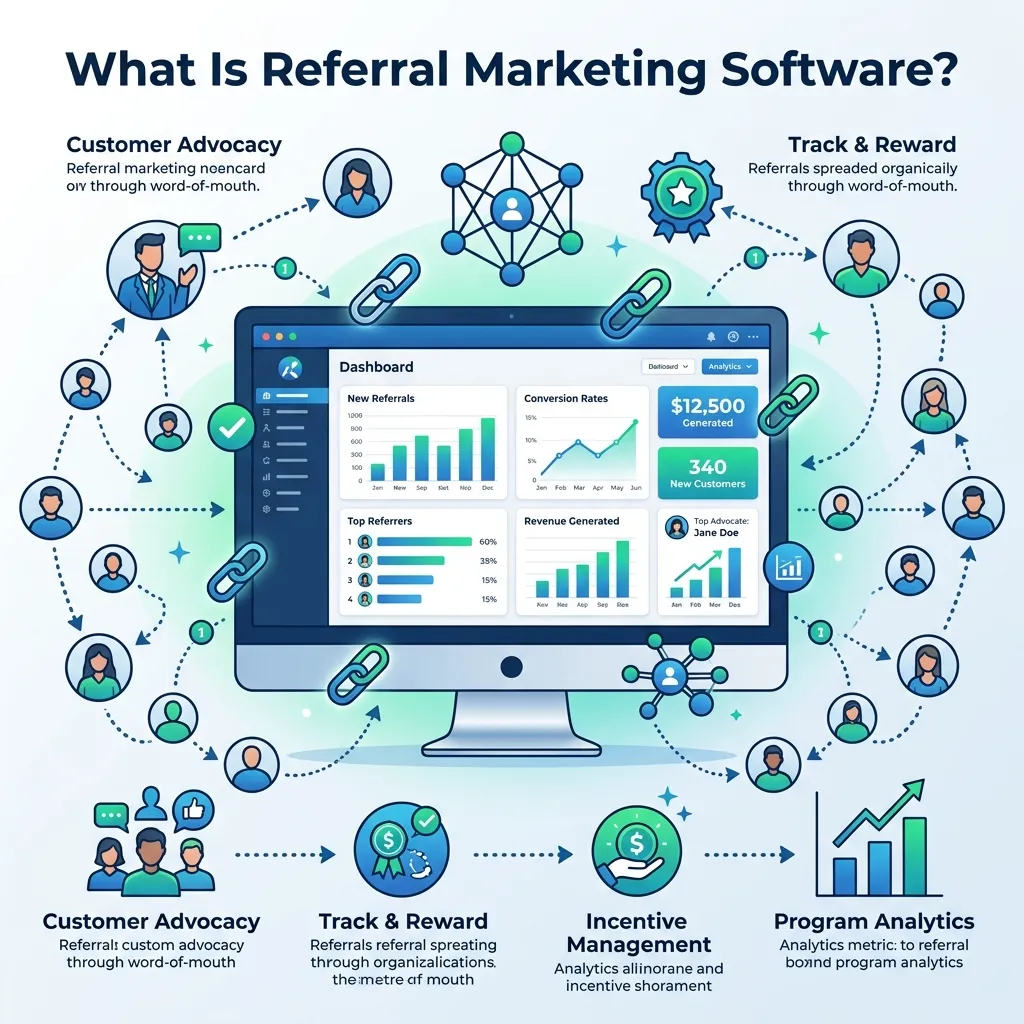
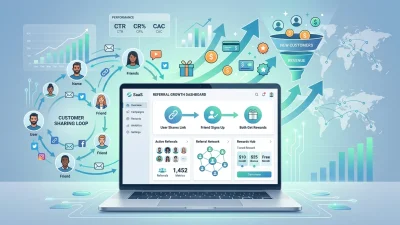
Referral marketing software is a category of tools designed to help businesses create, manage, and optimize programs that incentivize existing customers to refer new ones. These platforms handle the mechanics of referral programs—unique link generation, reward distribution, fraud detection, and performance tracking—so marketing teams can focus on strategy rather than administration.
At its core, referral marketing software sits at the intersection of customer retention and acquisition. A well-built platform turns your existing customer base into a scalable growth channel, one that often delivers a lower cost per acquisition than paid advertising.
What Are the Different Types of Referral Marketing Tools?
Before diving into specific platforms, it helps to understand what different types of referral software actually do. The terminology can overlap, so here’s a clear breakdown:
What Does Customer Referral Software Do?
Customer referral software focuses specifically on peer-to-peer referrals—programs where existing customers invite friends, family, or colleagues in exchange for a reward. These tools typically include shareable referral links, customizable landing pages, and automated reward fulfillment.
Platforms like ReferralCandy, Friendbuy, and Extole sit firmly in this category. They’re built for consumer-facing brands that want to turn their customer base into a growth engine.
Successful customer referral programs often rely on loyal customers who naturally promote a brand. Businesses can strengthen this process by developing brand advocacy strategies that encourage customers to become long-term supporters.
What Is Referral Program Software?
Referral program software is a broader term that encompasses the full lifecycle of a referral program—from program setup and participant enrollment to reward management and reporting. This type of software often includes A/B testing capabilities, multi-program management, and integrations with CRM and e-commerce platforms.
Referral Rock and GrowSurf are strong examples in this space, offering flexible program structures that suit both B2B and B2C businesses.
How Does Referral Tracking Software Work?
Referral tracking software monitors the performance of individual referrals and tracks the journey from initial share to conversion. Core features include unique referral link generation, attribution modeling, conversion tracking, and fraud detection.
Accurate tracking is non-negotiable for any referral program. Without it, businesses can’t identify their top referrers, calculate ROI, or detect abuse. Platforms like Tapfiliate and Post Affiliate Pro offer robust tracking infrastructure that integrates with major marketing stacks.
Companies that want to measure the impact of advocacy efforts should also explore how to measure brand advocacy program success because referral performance is closely connected to customer engagement and advocacy metrics.
What Is a Referral Management Platform?
A referral management platform combines program setup, participant management, communication, and analytics into a single dashboard. These platforms are designed for teams running multiple referral programs simultaneously or managing large volumes of referrers.
Enterprise companies often combine referral software with broader brand advocacy platforms and tools to manage customer engagement, reviews, loyalty programs, and community-driven growth from one place.
Ambassador (now part of Dash Hudson) and Mention Me are well-known referral management platforms used by enterprise brands. They offer deeper customization, dedicated support, and the ability to segment referrers by behavior, geography, or customer tier.
Best Referral Marketing Software: Top Picks by Use Case
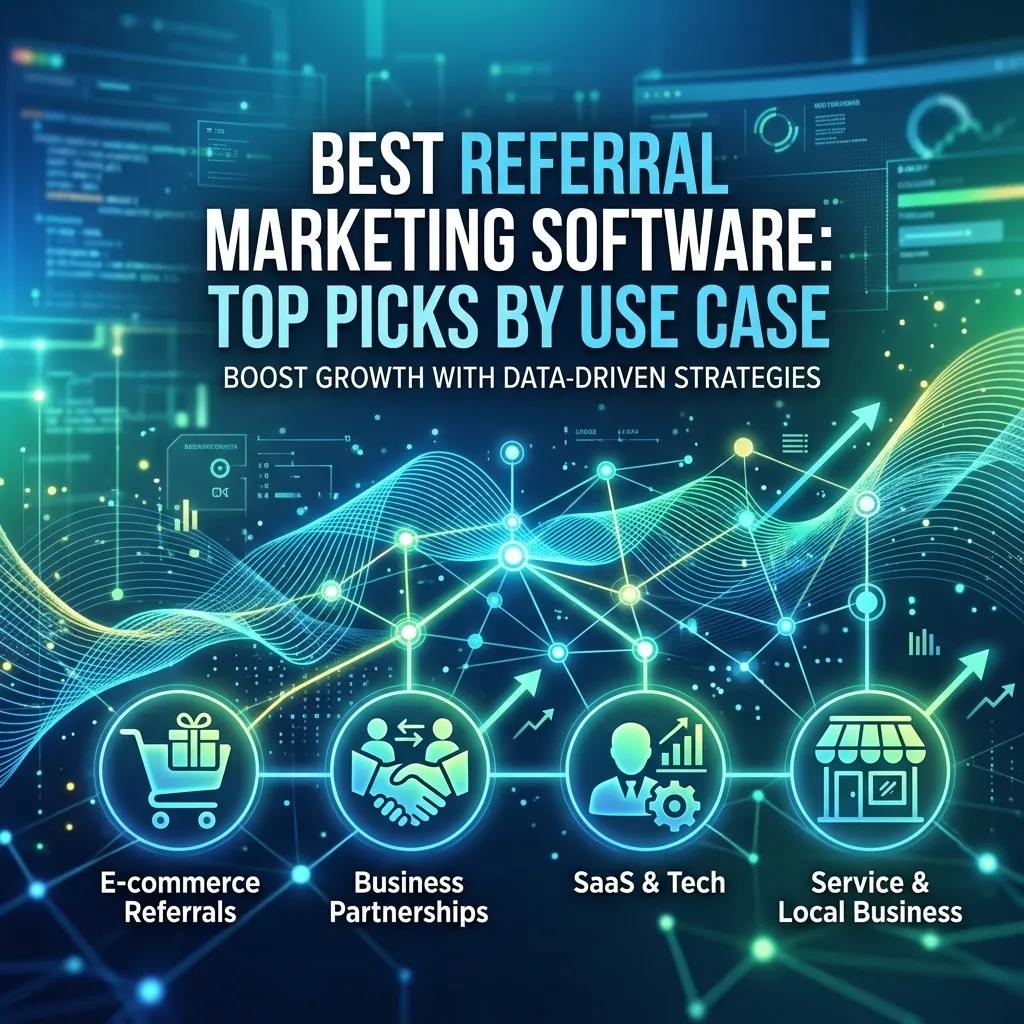
Best for E-Commerce: ReferralCandy
ReferralCandy is purpose-built for e-commerce brands. It integrates directly with Shopify, WooCommerce, and BigCommerce, making setup relatively quick for online retailers. The platform automates reward distribution—cash, discounts, or custom gifts—and provides dashboards that show which customers are driving the most referrals.
Best for: Direct-to-consumer brands with a significant existing customer base.
Best for B2B Growth: GrowSurf
GrowSurf specializes in B2B referral programs, particularly for SaaS companies and software businesses. It offers embeddable referral widgets, API access, and integrations with tools like HubSpot, Stripe, and Salesforce. GrowSurf is designed to slot into existing tech stacks without requiring significant engineering resources.
Best for: SaaS companies and B2B brands looking for a developer-friendly referral solution.
Best for Enterprise: Mention Me
Mention Me targets mid-market and enterprise brands with a platform built around what the company calls “referral marketing intelligence.” Beyond standard referral tracking, Mention Me provides customer segmentation, offer optimization, and a dedicated customer success team.
Best for: Larger organizations that need customization, dedicated support, and advanced analytics.
Best for Affiliate and Referral Combined: Tapfiliate
Tapfiliate bridges the gap between referral program software and affiliate marketing software. It supports both customer referral programs and traditional affiliate partnerships, making it a practical choice for businesses that want to manage both channels from a single platform.
Best for: Businesses running parallel referral and affiliate programs who want unified tracking.
Best for Simplicity: Referral Rock
Referral Rock is known for its clean interface and straightforward setup. It supports a variety of referral program types—B2B, B2C, employee referrals, and partner programs—and offers solid automation features without overwhelming users with complexity.
Best for: Small to mid-sized businesses launching their first structured referral program.
What Is Referral Automation Software—and Do You Need It?
Referral automation software handles repetitive program tasks without manual intervention. This includes sending follow-up emails to referrers, issuing rewards automatically upon conversion, flagging suspicious referral activity, and syncing data with your CRM.
For businesses running high-volume referral programs, automation is essential. Manually tracking referrals, verifying conversions, and issuing rewards at scale is time-consuming and error-prone. Automation reduces operational overhead and ensures participants receive their rewards promptly—which directly impacts program satisfaction and participation rates.
Most modern referral marketing platforms include some level of automation. The depth of that automation varies significantly. When evaluating platforms, look specifically for:
- Automated reward fulfillment — rewards issued without manual approval for standard conversions
- Triggered email sequences — reminders sent to referrers who haven’t shared yet
- Fraud detection rules — automatic flagging of self-referrals or suspicious patterns
- CRM sync — referral data pushed automatically to your customer database
Word-of-Mouth Marketing Software: Expanding Beyond Referrals
Referral marketing and word-of-mouth marketing are related but not identical. Referral marketing software focuses on structured, incentivized programs. Word-of-mouth marketing software casts a wider net—capturing organic advocacy, reviews, social sharing, and community participation alongside formal referral activity.
Platforms like Yotpo and Bazaarvoice fall into this broader word-of-mouth category. They combine referral features with review management, loyalty programs, and user-generated content tools. For brands where social proof and community are central to the marketing strategy, these all-in-one platforms can provide more value than a standalone referral tool.
The trade-off is complexity. Broader platforms come with steeper learning curves, higher price points, and more moving parts. If referrals are your primary focus, a dedicated referral marketing tool will likely serve you better.
What Features Should You Look for in a Customer Referral Program Platform?
Not all referral platforms are created equal. Here are the features that separate high-performing tools from mediocre ones:
- Customizable referral flows — the ability to design the referral experience to match your brand
- Multi-channel sharing — support for email, SMS, social, and direct link sharing
- Two-sided incentives — rewards for both the referrer and the new customer
- Real-time analytics — dashboards showing clicks, conversions, revenue, and top referrers
- Fraud prevention — tools to detect and block self-referrals and duplicate accounts
- Integrations — native connections to your CRM, email platform, and payment tools
- A/B testing — the ability to test different rewards, messaging, or program structures
How to Choose the Right Referral Marketing Software for Your Business
The right platform depends on your business model, technical resources, and program goals. Here’s a practical framework:
Choose a simpler platform like Referral Rock or ReferralCandy if:
Your team is non-technical, your program structure is straightforward, and you want to be live quickly without significant development work.
Choose a developer-friendly tool like GrowSurf or Tapfiliate if:
You need deep integration with your existing tech stack, want API access, or are running a SaaS product with complex conversion events.
Choose an enterprise platform like Mention Me if:
You’re running programs at significant scale, need dedicated support, and want advanced segmentation and optimization capabilities.
Choose a word-of-mouth platform like Yotpo if:
Referrals are one part of a broader advocacy strategy that also includes reviews, loyalty, and user-generated content.
Start Building a Smarter Referral Program
Referral marketing software isn’t just a nice-to-have for growth-focused businesses—it’s the infrastructure that turns customer satisfaction into measurable acquisition. The platforms covered in this guide represent the strongest options across different use cases, budgets, and technical requirements.
The best next step is to audit your current referral activity. Are you already getting word-of-mouth referrals? If so, a structured program with the right software can amplify what’s already working. If referrals are minimal, that’s worth investigating before investing in a platform—no tool can compensate for low customer satisfaction.
Start with a clear program goal, identify the platform that fits your technical environment, and design an incentive structure that genuinely motivates your customers. From there, let the software handle the mechanics.
Frequently Asked Questions
What is the difference between referral marketing software and affiliate marketing software?
Referral marketing software is designed for customer-to-customer referral programs, where existing customers invite their personal network in exchange for rewards. Affiliate marketing software manages partnerships with publishers, influencers, or content creators who earn commissions on sales they drive. Some platforms, like Tapfiliate, support both models. The key distinction is the relationship: referral programs target customers, affiliate programs target external partners.
How much does referral marketing software typically cost?
Pricing varies widely. Entry-level tools like ReferralCandy start at around $49–$99 per month. Mid-tier platforms like GrowSurf and Referral Rock typically range from $200–$500 per month. Enterprise platforms like Mention Me use custom pricing based on program volume and feature requirements. Most platforms offer free trials, so testing before committing is straightforward.
Can referral marketing software integrate with Shopify or HubSpot?
Most leading referral platforms offer native integrations with Shopify, WooCommerce, HubSpot, Salesforce, and Stripe. ReferralCandy integrates directly with Shopify. GrowSurf and Referral Rock both connect to HubSpot. Always verify specific integrations on the vendor’s website before purchasing, as integration depth can vary.
Is referral marketing software suitable for B2B companies?
Yes. B2B referral programs are highly effective because trust plays a larger role in B2B purchasing decisions. Platforms like GrowSurf and Referral Rock are specifically designed for B2B use cases, supporting longer sales cycles, CRM integrations, and non-monetary rewards like account credits or service upgrades.
What is referral tracking software, and why does accurate tracking matter?
Referral tracking software monitors the full path of a referral—from when a customer shares their link to when a new customer converts. Accurate tracking ensures referrers receive credit for the leads they generate, prevents fraud, and provides the data needed to calculate program ROI. Without reliable tracking, high-performing referrers may go unrewarded, reducing participation and trust in the program.
How long does it take to set up a referral program?
Setup time depends on the platform and program complexity. Simple e-commerce referral programs using tools like ReferralCandy can be live in a few hours. More complex programs requiring custom integrations, branded landing pages, or multi-tier reward structures may take several days to a few weeks. Developer-friendly platforms like GrowSurf offer APIs that allow deeper customization but require technical resources to implement.
What is referral marketing software used for?
Referral marketing software helps businesses create, automate, and manage customer referral programs. It tracks referrals, distributes rewards, prevents fraud, and provides analytics to help companies acquire more customers through word-of-mouth marketing.
How does referral marketing software increase customer acquisition?
Referral marketing software encourages existing customers to recommend your business to friends, family, or colleagues by offering incentives. Since referrals come from trusted sources, they often generate higher conversion rates and lower customer acquisition costs.
What features should the best referral marketing software include?
The best referral marketing software should offer referral tracking, automated reward distribution, fraud detection, CRM and eCommerce integrations, customizable referral pages, real-time analytics, and support for multiple sharing channels like email, SMS, and social media.
Can small businesses benefit from referral marketing software?
Yes. Small businesses can use referral marketing software to grow through customer recommendations without spending heavily on paid advertising. Many platforms offer affordable plans designed specifically for startups and small businesses.
What is the difference between referral marketing software and affiliate marketing software?
Referral marketing software focuses on rewarding existing customers for referring new customers, while affiliate marketing software manages partnerships with affiliates, influencers, or publishers who earn commissions for driving sales or leads.
Does referral marketing software integrate with Shopify and other eCommerce platforms?
Most leading referral marketing platforms integrate with popular eCommerce platforms such as Shopify, WooCommerce, BigCommerce, Magento, and payment or CRM tools like HubSpot, Salesforce, and Stripe.
How much does referral marketing software cost?
Pricing varies depending on features and business size. Entry-level plans typically start around $50 per month, while advanced and enterprise solutions can cost several hundred dollars per month with custom pricing for larger organizations.
How can I measure the success of a referral marketing program?
Key metrics include referral conversion rate, number of successful referrals, customer acquisition cost (CAC), referral revenue, customer lifetime value (CLV), participation rate, and overall return on investment (ROI).
Is referral marketing software suitable for B2B companies?
Yes. Many referral marketing platforms support B2B businesses by integrating with CRM systems, tracking long sales cycles, and offering flexible reward structures such as account credits, discounts, or service upgrades.
How do I choose the right referral marketing software for my business?
Choose software based on your business size, budget, integrations, automation features, reporting capabilities, ease of use, scalability, and whether you need support for customer referrals, affiliate programs, or both. Prioritize a platform that aligns with your marketing goals and growth strategy.

[…] comparison of the best referral marketing software options can help evaluate whether an existing solution meets your specific needs before considering a […]