
People trust recommendations from real individuals far more than traditional advertising. They look for honest opinions, authentic experiences, and relatable personal stories. This is where micro-influencers make a significant impact. Unlike celebrities with massive followings, micro-influencers maintain smaller, highly engaged communities. Their followers interact more deeply, making their endorsements feel genuine, credible, and trustworthy.
Micro-influencers are especially effective for word-of-mouth (WOM) marketing. When they promote a product or service, it feels like a personal recommendation rather than a scripted ad. This authenticity helps increase brand awareness, drive audience engagement, build customer trust, and improve conversion rates, all without the high costs associated with celebrity campaigns.
In this guide, you’ll discover how to leverage micro-influencers to grow your brand, reach the right audience, and foster meaningful connections. We’ll explore who micro-influencers are, the benefits of partnering with them, strategies for effective collaboration, and methods to measure the success of your campaigns.
What Are Micro-Influencers?
Micro-influencers are individuals with a relatively small but highly engaged following, typically ranging from 1,000 to 100,000 followers. Unlike celebrities or mega-influencers, they maintain close relationships with their audience, which makes their content feel authentic, trustworthy, and highly relatable.
Micro-influencers often focus on specific niches—such as fitness, beauty, tech, or lifestyle—which allows brands to reach a targeted audience more effectively. Their smaller communities engage more actively through comments, likes, shares, and direct messages, creating meaningful interactions that drive stronger brand loyalty and word-of-mouth marketing.
Because of their credibility and personal connections, micro-influencers are ideal for micro advocacy strategies, user-generated content campaigns, and organic growth initiatives. Partnering with them helps brands gain authentic endorsements, boost social proof, and achieve measurable results without the high costs of traditional influencer marketing.
Why Micro-Influencers Are Important in WOM Marketing?

Word-of-mouth marketing works best when recommendations feel personal, genuine, and relatable. Micro-influencers help brands achieve this by combining credibility with niche reach:
-
Higher Engagement: Micro-influencers typically receive 2–4 times more likes, comments, and shares compared to larger influencers, leading to stronger audience interaction.
-
Authenticity: Their followers see them as real people, not paid endorsers, which enhances trust and social proof.
-
Cost-Effective: Collaborating with micro-influencers is budget-friendly, offering high ROI without the expense of celebrity campaigns.
-
Targeted Reach: Micro-influencers focus on specific niches, allowing brands to connect with highly relevant audiences and achieve precise targeting.
Leveraging micro-influencers ensures your brand message feels authentic and relatable, which is essential for driving viral word-of-mouth growth, increasing customer engagement, and building long-term brand loyalty.
How to Collaborate with Micro-Influencers?
Partnering with micro-influencers effectively requires strategy, clear communication, and mutual value. Here’s how brands can build successful collaborations that drive word-of-mouth marketing:
1. Identify the Right Influencers
Look for micro-influencers whose audience aligns with your target market. Focus on:
-
Niche relevance (e.g., fitness, tech, beauty)
-
Engagement rate and audience activity
-
Authentic content style
-
Alignment with your brand values
2. Build Genuine Relationships
Approach influencers as partners, not just promoters. Engage with their content, communicate transparently, and show appreciation for their work. Strong relationships increase authentic promotion and long-term collaboration potential.
3. Define Goals and Expectations
Set clear objectives for your campaign, such as boosting brand awareness, generating user-generated content (UGC), or driving referrals. Clarify deliverables, timelines, and compensation to avoid misunderstandings.
4. Encourage Creative Freedom
Allow influencers to create content in their own voice. Micro-influencers know their audience best, and authentic storytelling drives trust, higher engagement, and more effective word-of-mouth marketing.
5. Provide Incentives and Rewards
Incentivize collaboration with:
-
Free products or samples
-
Exclusive discounts
-
Monetary compensation
-
Access to early product launches
Meaningful incentives motivate influencers without compromising authenticity.
6. Track and Measure Performance
Use metrics like engagement, reach, referral traffic, UGC creation, and sales impact to evaluate the success of your collaborations. Measuring outcomes helps optimize future micro-influencer campaigns.
By following these steps, brands can maximize the impact of micro-influencers, increase social proof, strengthen customer trust, and drive sustainable organic growth through authentic word-of-mouth promotion.
How to Identify the Right Micro-Influencers?
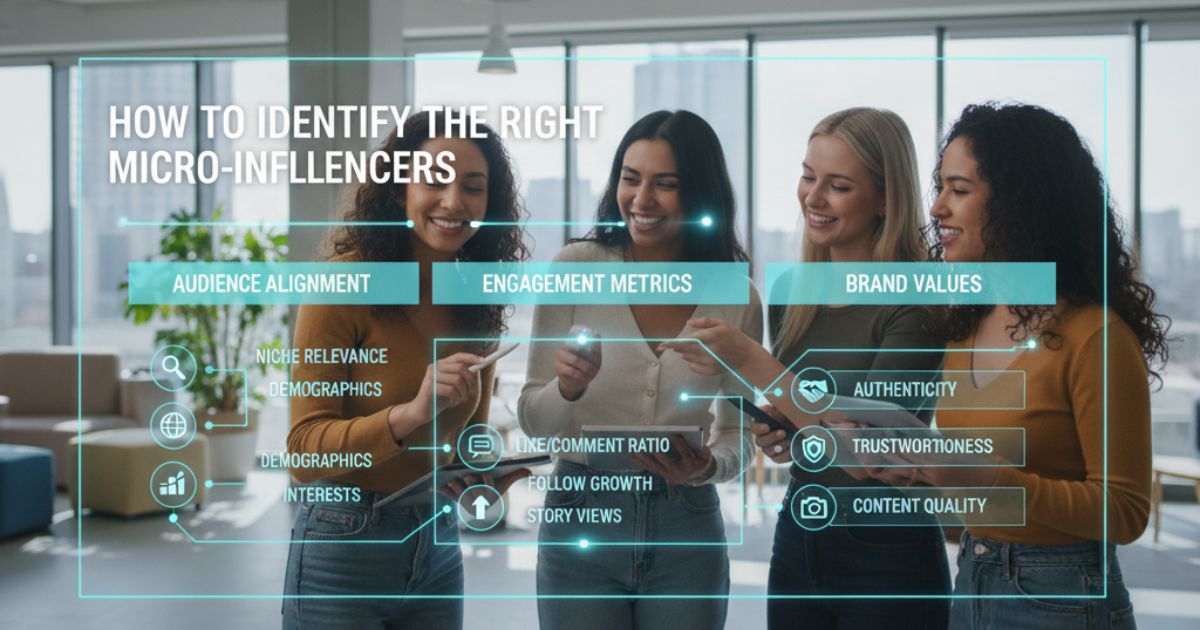
Finding the right micro-influencer is crucial for effective word-of-mouth marketing. Here are the key criteria to consider:
1. Audience Alignment
Ensure the influencer’s followers match your target market. Analyze demographics, interests, and purchasing behaviors to reach potential customers who are genuinely interested in your brand. Proper audience alignment increases engagement, conversions, and campaign effectiveness.
2. Engagement Metrics
Don’t focus solely on follower count. Evaluate likes, comments, shares, story views, and other interaction metrics. High engagement indicates an active and responsive audience, making the influencer’s recommendations more impactful.
3. Authenticity
Examine the influencer’s past collaborations. Are promotions natural and genuine, or do they feel forced? Authentic endorsements build trust, encourage shares and conversations, and drive stronger word-of-mouth results.
4. Content Quality
Assess the quality of visuals, captions, and storytelling. Influencers who consistently produce high-quality content deliver a greater impact, strengthen brand perception, and enhance social proof among their followers.
Strategies to Leverage Micro-Influencers
Once you select the right influencers, a clear strategy ensures maximum impact. Use these approaches to boost brand awareness, audience engagement, and word-of-mouth marketing:
1. Co-Created Content
Collaborate with influencers on videos, blogs, tutorials, or live streams. Let them present your brand in their authentic style. This increases content credibility, shareability, and social engagement.
2. Exclusive Offers and Early Access
Provide influencers with early product previews or special offers. Followers feel valued, which boosts audience excitement, engagement, and trust in your brand.
3. Community Events and Meetups
Host webinars, virtual panels, or local gatherings. Personal interactions build stronger influencer-brand relationships, create authentic testimonials, and enhance customer advocacy.
4. User-Generated Content (UGC) Campaigns
Encourage influencers and their audiences to share branded hashtags, photos, or videos. Featuring top content on your channels increases brand visibility, credibility, and organic reach.
5. Referral and Discount Campaigns
Provide promo codes or referral links for influencers to share. This directly drives traffic, conversions, and measurable ROI while reinforcing social proof.
By applying these strategies, brands can leverage micro-influencers to increase authentic engagement, strengthen brand trust, and drive sustainable organic growth.
Measuring the Success of Micro-Influencer Campaigns
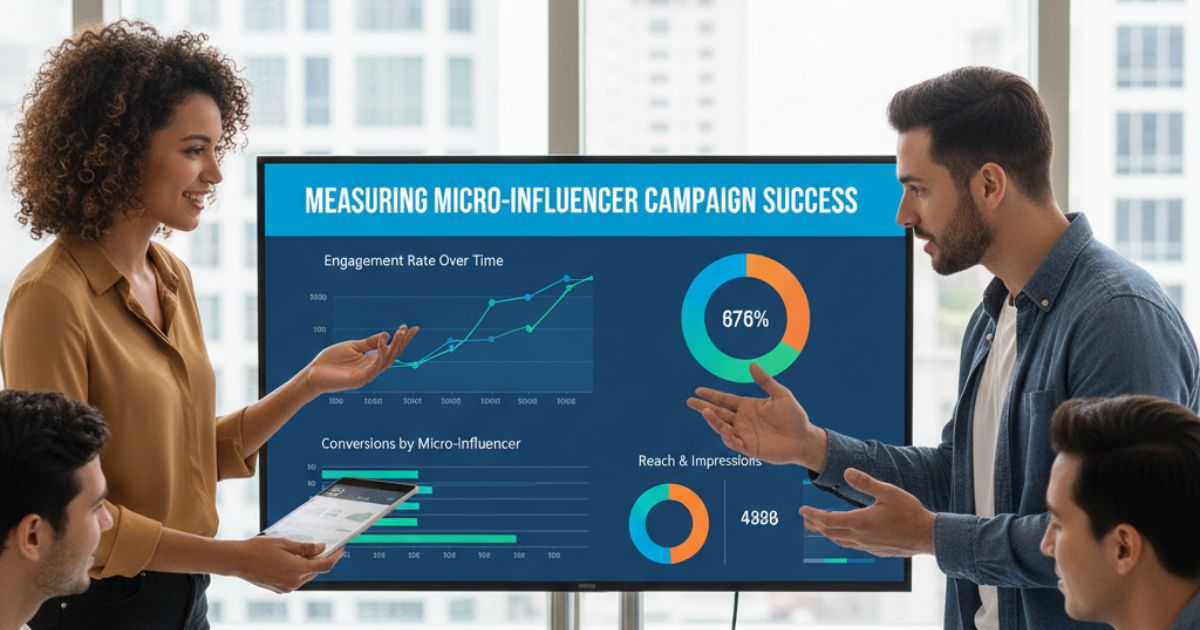
Tracking results is essential to ensure your micro-influencer campaigns drive meaningful outcomes. Key metrics to monitor include:
-
Engagement Rate: Track likes, comments, shares, and story interactions to measure audience involvement and content impact.
-
Referral Traffic: Monitor website visits, landing page conversions, and clicks from influencer links to assess campaign reach and effectiveness.
-
Sales Lift: Measure revenue growth generated directly from influencer collaborations to determine ROI.
-
Brand Sentiment: Use social listening to analyze brand mentions, audience perception, and the overall impact on reputation.
Leverage tools such as Google Analytics, social media dashboards, and UTM tracking to measure performance accurately. Regular analysis allows you to optimize future campaigns, improve engagement, and maximize word-of-mouth marketing results.
Best Practices and Common Mistakes to Avoid
To ensure your micro-influencer campaigns are effective and credible, follow these best practices and avoid common pitfalls:
1. Build Genuine Relationships
Treat influencers as long-term partners rather than one-time vendors. Strong relationships lead to more authentic endorsements and better audience engagement.
2. Set Clear Guidelines
Provide clear instructions while allowing influencers creative freedom. Authentic content resonates more with their audience and drives stronger word-of-mouth marketing.
3. Avoid Over-Saturation
Refrain from engaging too many influencers in the same niche at once. Over-saturation can dilute your message and reduce impact.
4. Stay Transparent
Always disclose sponsored content to comply with FTC guidelines. Transparency maintains trust with both the influencer’s audience and your brand followers.
5. Focus on Quality Over Quantity
One highly engaged influencer is more valuable than numerous inactive accounts. Prioritize engagement, authenticity, and niche relevance over follower count.
By following these best practices and avoiding common mistakes, your campaigns remain credible, engaging, and more likely to deliver measurable results.
Conclusion: Take Your WOM Marketing to the Next Level
Micro-influencers offer an affordable, authentic, and highly effective way to amplify word-of-mouth marketing. By selecting the right partners, co-creating engaging content, and tracking results carefully, brands can reach targeted audiences, build social proof, and drive measurable growth.
Start small by testing collaborations with a few influencers. Analyze the results, learn from each campaign, and gradually scale your efforts. Consistency, authenticity, and a deep understanding of your audience are the keys to success.
Leveraging micro-influencers allows brands to form genuine connections, expand reach, and achieve rapid, sustainable growth in marketing campaigns—turning trusted recommendations into tangible business results.
FAQs
How do micro-influencers build trust with their followers?
Micro-influencers engage directly with their audience through comments, DMs, and personalized content. Their smaller, tight-knit communities make their recommendations feel genuine and relatable.
Can multiple micro-influencers be used in a single campaign?
Yes, but it’s best to choose influencers in complementary niches. Too many in the same niche can dilute your message and reduce impact.
What platforms are best for micro-influencer marketing?
Instagram, TikTok, YouTube, and LinkedIn are popular platforms. The choice depends on your target audience and where your niche community is most active.
Should micro-influencers always disclose sponsorships?
Yes. Transparency builds trust and ensures compliance with FTC regulations. Clear disclosure also maintains credibility with their followers.
How can small businesses start with micro-influencers?
Start by identifying 2–3 influencers in your niche, reach out with a collaboration proposal, and offer products or exclusive access. Test campaigns with a small budget and scale gradually.
What is the difference between micro and nano-influencers?
Nano-influencers have fewer than 5,000 followers but often show even higher engagement and personal interaction. Micro-influencers have 5,000–50,000 followers and balance reach with engagement.
How can brands encourage user-generated content through micro-influencers?
Brands can create challenges, branded hashtags, contests, or exclusive campaigns that motivate influencers and their followers to create authentic content featuring the product or service.
How do you measure ROI from a micro-influencer campaign?
Track engagement metrics, website traffic, sales from referral links, promo codes, and brand sentiment. Comparing these against campaign costs gives a clear ROI picture.
Can micro-influencers help with long-term brand growth?
Absolutely. Long-term partnerships increase loyalty, repeated exposure, and credibility. Micro-influencers can become brand advocates rather than one-time promoters.
Are micro-influencer campaigns suitable for all industries?
Yes. While some niches like beauty, fitness, food, and lifestyle perform especially well, any industry can benefit if you target the right micro-influencers whose audience matches your market.