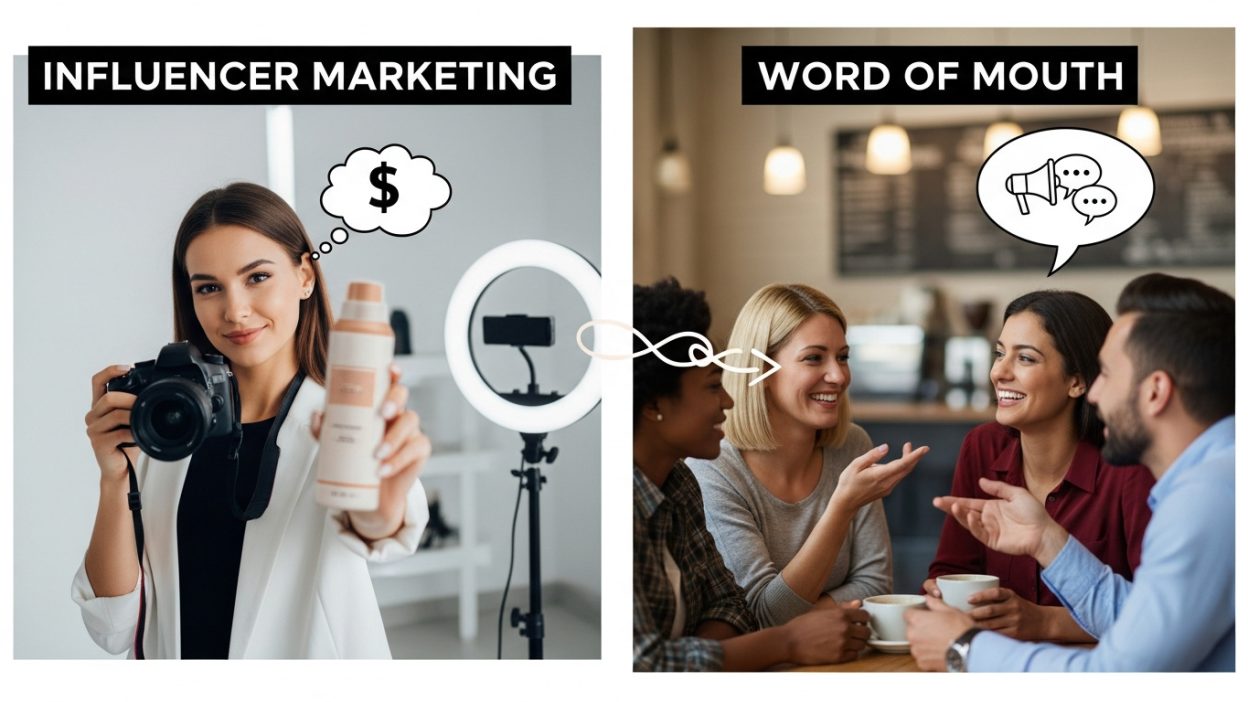
Influencer marketing and word-of-mouth marketing both rely on trust but function differently. Word-of-mouth grows organically through customer satisfaction, while influencer marketing delivers fast, controlled exposure through paid partnerships. Each strategy has unique strengths and works best in different situations.
Both influencer marketing and word of mouth marketing can help sales for your company. But they do so in completely different ways. Knowing the differences between influencer vs word of mouth marketing can help you decide which one is right for your brand.
This is word-of-mouth promotion, and it occurs when people recommend your product to friends or family members. Influencer marketing is you paying a content creator to sell your brand to their followers. Both methods rely on trust and recommendations, but their implementation, pricing and outcome are very different.
What Does Word of Mouth Marketing Mean?
In the field of word of mouth marketing, word of mouth refers to customers sharing information with other customers. These are just things that get recommended to us in social media posts and reviews and whatnot.
This sort of marketing rings true because it’s true — it’s coming from real customers. People believe their friends and family members more than a traditional ad. According to a Nielsen study, 92% of consumers believe recommendations from friends and family over all forms of advertising.
There are several types of word of mouth advertising:
- Personal recommendations during conversations
- Social media posts related to positive experiences
- Online reviews and testimonials
- Referrals to friends and colleagues
Above all, word of mouth is unpaid and organic. These are the customers who talk about you because they authentically enjoyed your product or service.
What is Influencer Marketing?
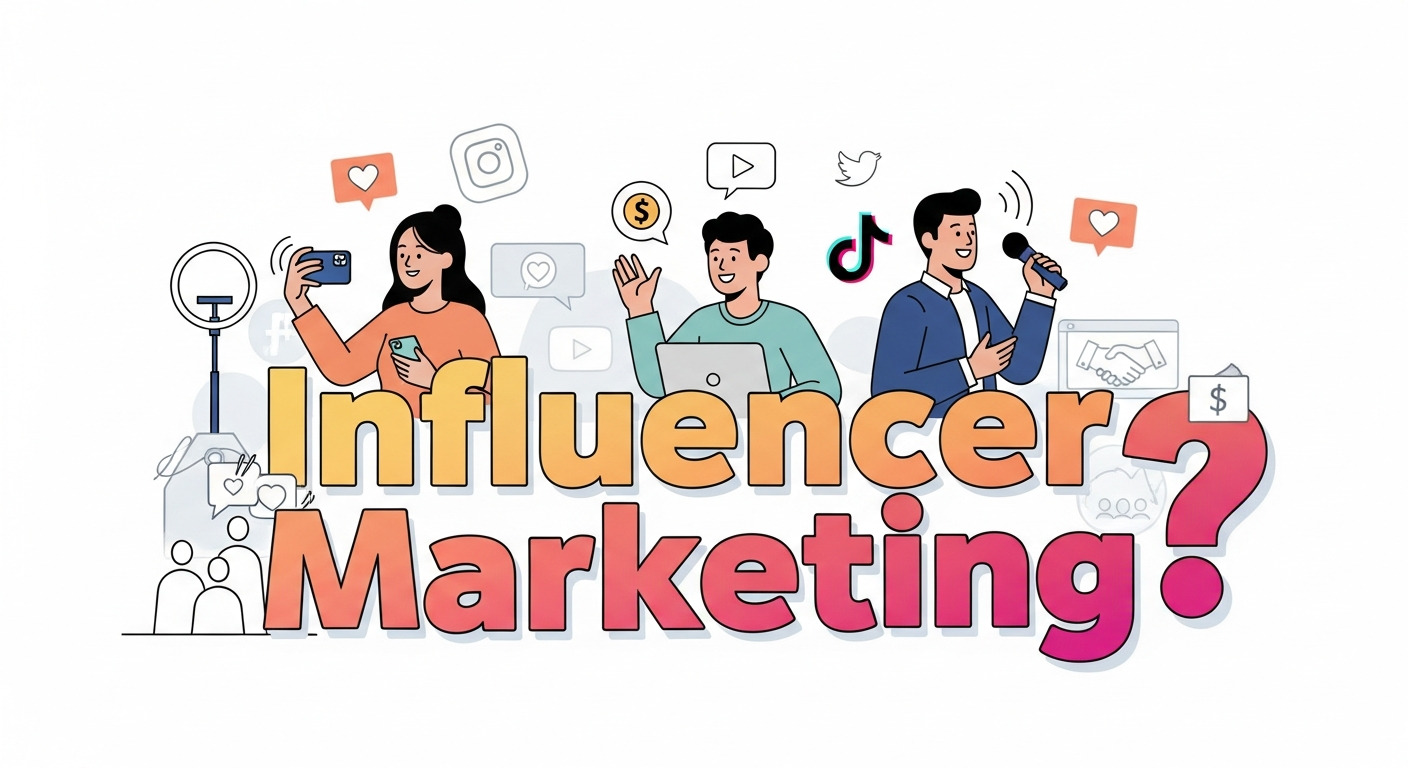
Influencer marketing is a collaboration with content creators who have an invested group of followers. These people make content that’s associated with your brand, in exchange for money or freebies in the form of what your brand produces.
Influencers have earned their followers’ trust by driving informative, quality content. When they endorse a product, their followers frequently perceive it as something the product is suggesting to them personally, by someone they love.
Some examples of influencer marketing may include:
- For-Sponsored Instagram or TikTok Post
- Product reviews on YouTube
- Brand partnerships for long-term campaigns
- Affiliate marketing programs
Because unlike word-of-mouth, influencer marketing takes investment and contracts. The amount of money brands typically pay influencers depends on followers, engagement and scope of a campaign.
Key Distinctions Between Influencer Marketing and Word of Mouth
Knowing the differences between these approaches can guide you in your marketing decisions.
Cost Structure
There is usually close to zero of direct costs regarding word of mouth marketing. Your primary investment is in making great products and customer experiences that are inherently shareworthy.
Influencer marketing requires upfront payment. Micro-influencers (1,000 to 100,000 followers) could command $100 to $500 per post. Macro-influencers in the millions of followers can charge thousands of dollars for one campaign.
Control and Timing
Influencer marketing offers a high level of control over both messaging and timing. Brands can clearly outline key talking points, decide when content should be published, choose specific platforms, and even guide hashtag usage to align with campaign goals. This structured approach allows marketers to plan launches, promotions, and seasonal campaigns with precision, ensuring consistent brand messaging and predictable visibility.
Word-of-mouth marketing, on the other hand, happens naturally and without a fixed schedule. Customers decide on their own when, where, and how they share their experiences. While this means brands cannot directly control the message or timing, they can influence it by delivering exceptional service, memorable experiences, and moments worth talking about. When customers feel genuinely impressed, they are far more likely to share their stories organically—often in ways that feel more authentic and trustworthy than any planned campaign.
Reach and Scale
You can also tap on a big, targeted (ideal audience) group with influencer marketing. With one post from a high-profile influencer, the message can immediately reach hundreds of thousands of people.
On the flip side, word of mouth travels more slowly, but is more likely to be useful or relevant to the recipients. If your friend tells you about a restaurant, you’re far more likely to be influenced by that than some sponsored post.
Authenticity Perception
And word of mouth just sounds real, because it is from real customer experiences. There’s no profit motive behind the plea.
Influence marketing can be authentic when done well, but people are ever increasingly hip to sponsored content. FTC guidelines mandate that influencers share a paid partnership, which can influence how authentic it seems.
Advantages of Word of Mouth Marketing
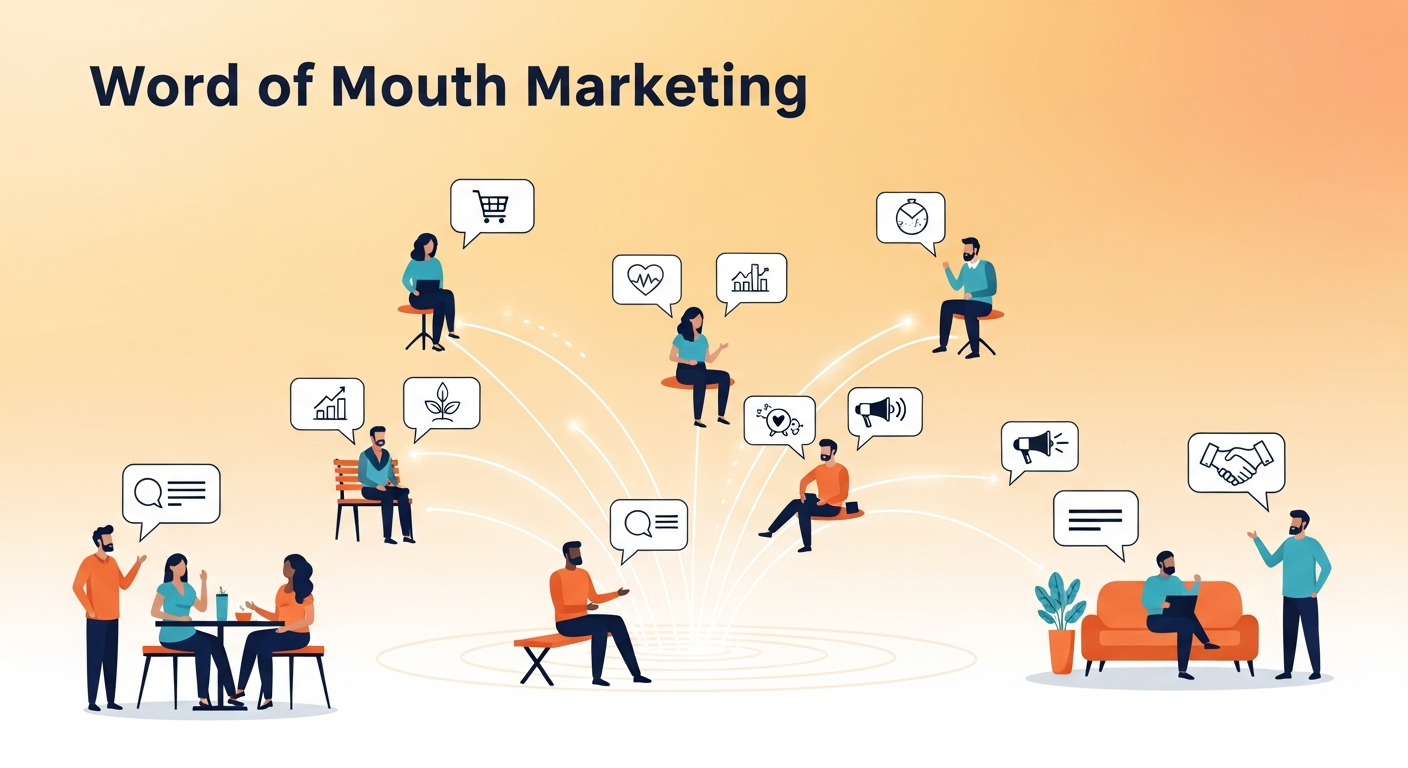
There are quite a few reasons word of mouth marketing is so special that can’t be replicated through paid tactics.
Higher Trust Levels
The word of mouth factor — people value what family and friends say more than online adverts and other forms of marketing. This confidence results in better conversion ratios and customer loyalty.
Cost-Effective Growth
When you invest upfront in creating amazing products and experiences, word of mouth becomes a marketing channel that delivers ongoing value without cost.
Qualified Leads
Word of mouth usually hits individuals who are already interested in the type of product you have. Friends tend to recommend products to others whom they know would enjoy them.
Long-Term Value
Happy customers can send you referrals for years on end. This is compounding marketing value over time.
Benefits of Influencer Marketing
There are benefits of influencer marketing that organic word of mouth simply can’t generate.
Immediate Results
Influencer campaigns can create awareness and sales rapidly. You don’t have to wait for organic word-of-mouth to gain traction.
Targeted Reach
And you can choose influencers that cover kind of your target audience. That way you know your message is getting to the right people!
Content Creation
Get influencers to produce premium content that showcases your products. And this material is suitable for repurposing across your own marketing channels.
Measurable Results
Influencer campaigns have such easily quantifiable metrics available such as reach, engagement, conversions. This information enables you to improve future campaigns.
When to Leverage Word of Mouth Marketing
Word of mouth is very effective when deployed in certain situations and industries.
Service-Based Businesses
Restaurants, salons and consulting firms, after all, thrive on word of mouth. Trust-based services are highly dependent on word-of-mouth recommendations.
High-Involvement Purchases
Items that are not limited to a choice based on its price are based on word of mouth recommendations. For example, the transportation sector, consumer electronics, and software tools.
Limited Marketing Budgets
For startups and small businesses working with limited resources, they need to concentrate on building world-class experiences that drive organic word of mouth.
Building Long-Term Loyalty
Positive feedback from the crowd leads to long-term customer relationships. Happy customers who endorse your brand once are usually loyalists.
When to Use Influencer Marketing
Influencer marketing is effective for certain objectives and products.
Product Launches
New products leverage influencer marketing to create that instant awareness and source of social proof.
Visual Products
Products that look good in photos or videos perform well with influencer marketing. Fashion, beauty and food brands frequently perform well.
Younger Demographics
Younger consumers, like Gen Z and millennials, trust influencer endorsements more than ads.
Seasonal Campaigns
Trending moments, holidays and season-relevant movements can all be capitalized through influencer marketing quickly.
Combining Both Strategies
Using a combination of both strategies is, in many cases, most effective.
Create Shareable Experiences
Prototype customer experiences that are built to share. That could be in the form of some distinctive packaging, a particularly impressive service or an unforgettable experience.
Amplify Word of Mouth
Leverage influencer marketing to take existing word of mouth to the next level. Work with influencers to amplify customer testimonials and user-generated content.
Encourage Customer Content
Encourage happy customers to make content by highlighting their posts on your social feeds. This is word-of-mouth marketing crossed with scale.
Track and Measure
Track organic mentions and influencer campaign performance. This is how you can realize which strategy generates better results for your brand.
Measuring Success
Both being different campaign strategies, they would require unique measurement methods.
Word of Mouth Metrics
What to track: organic social mentions, review scores, referral traffic, and customer lifetime value. These are the signs of the health of your word of mouth marketing.
Influencer Marketing Metrics
Keep a tab on reach, engagement rate, click rate and conversion rate. These are metrics that demonstrate the immediate result of influencer campaigns.
Choosing the Right for Your Brand
The right approach will vary based on your business objectives, budget and timing.
Opt for word of mouth marketing if you’re looking for sustainable growth at a low cost but have time to generate momentum. Instead, focus on creating awesome customer experiences that naturally lead to sharing.
Use influencer marketing if you need a quick fix, want to reach a particular demographic, or have a visually appealing product that tends to do well on social media.
The most successful brands employ both tactics as part of a strategic plan. The trust – the authentic word of mouth – is what influencer marketing enables to scale and achieve quick (vs. non-scalar) acceleration and impact.
It’s simply a matter of knowing your audience, what you hope to achieve, and what resources you have available. Begin with what you can achieve now, and add strategies as you scale your business.
Conclusion
Choosing between influencer marketing and word-of-mouth marketing depends on your brand’s objectives, budget, and timeline. Word-of-mouth is ideal for long-term, low-cost growth built on trust, while influencer marketing is best for quick reach and targeted campaigns. The most successful brands combine both strategies—using influencers to scale authentic customer experiences and word-of-mouth to build lasting credibility.
Frequently Asked Questions (FAQs)
1. What is word-of-mouth marketing?
Word-of-mouth marketing is unpaid promotion that occurs when customers naturally recommend a brand, product, or service to others based on their genuine personal experiences and satisfaction.
2. What is influencer marketing?
Influencer marketing is a paid partnership where brands collaborate with content creators to promote products or services to their followers through social media posts, videos, reviews, or affiliate links.
3. Which strategy is more trustworthy?
Word-of-mouth marketing is generally more trustworthy because recommendations come from friends, family members, or peers with no financial incentive involved.
4. Is influencer marketing expensive?
Influencer marketing can be costly, with prices varying based on influencer size, engagement rate, content type, and overall campaign scope, ranging from affordable micro-influencers to high-cost celebrities.
5. Can brands control word-of-mouth marketing?
Brands cannot directly control word-of-mouth, but they can strongly influence it by delivering excellent customer experiences, high-quality products, and memorable interactions.
6. Which strategy delivers faster results?
Influencer marketing typically delivers faster results by providing immediate visibility, reach, and engagement shortly after campaigns are launched.
7. Is word-of-mouth good for startups?
Yes, word-of-mouth is especially beneficial for startups because it requires minimal financial investment and helps build credibility through authentic customer recommendations.
8. Are influencers still effective today?
Yes, influencers remain effective, particularly when partnerships feel authentic, align with audience interests, and focus on genuine storytelling rather than overt promotion.
9. Can both strategies be used together?
Yes, combining influencer marketing with word-of-mouth often produces stronger and more sustainable results by blending organic trust with scalable reach.
10. How do you measure word-of-mouth success?
Word-of-mouth success is measured through online reviews, referral traffic, organic social mentions, repeat customers, and customer lifetime value.
11. How do you measure influencer marketing success?
Influencer marketing success is tracked using metrics such as reach, engagement rate, click-through rate, conversions, sales attribution, and return on investment (ROI).
12. Which strategy is better overall?
Neither strategy is universally better. The best choice depends on your business goals, budget, target audience, campaign timing, and long-term growth objectives.