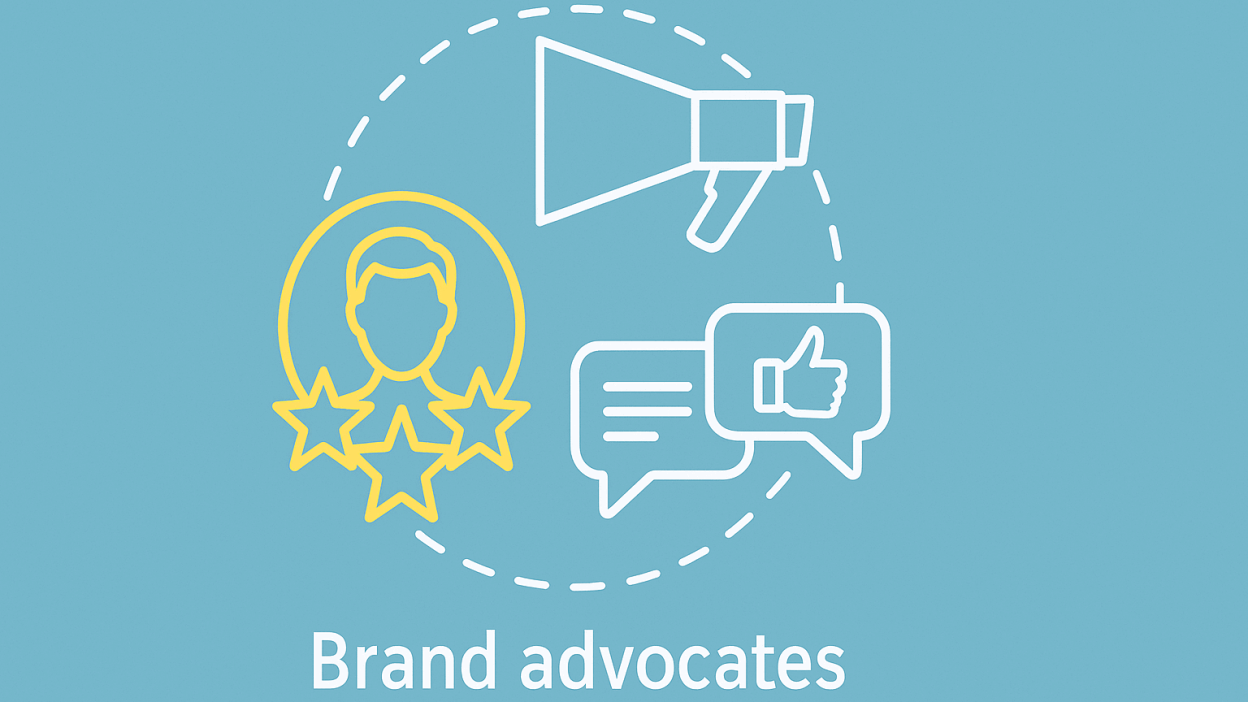
Every business wants customers who genuinely promote their products—not because they’re paid, but because they truly love the brand. These highly engaged supporters, known as brand advocates, are the engine behind powerful word-of-mouth marketing, organic referrals, and authentic social proof. Unlike traditional influencers who rely on paid collaborations, brand advocates share positive experiences naturally, boosting brand credibility, trust, and long-term loyalty.
But discovering these enthusiastic customers requires more than guesswork. Your ideal brand advocates already exist within your customer base, hidden among repeat buyers, vocal reviewers, active community members, and loyal subscribers. With the right customer insights, engagement data, and advocacy tools, you can identify who genuinely loves your brand—and who is ready to amplify your message.
In this guide, you’ll learn proven strategies to find brand advocates, analyze customer behavior, use sentiment tracking, and build a loyal community that fuels sustainable business growth. Whether you’re building a brand ambassador program or improving customer retention, these steps will help you turn everyday customers into your most powerful marketing assets.
Impact of Brand Advocacy
Brand advocacy delivers far more value than basic customer satisfaction or one-time positive reviews. While satisfied customers may share feedback when encouraged, true brand advocates—often called brand evangelists—actively promote your business across multiple channels without any financial incentive. They share user-generated content (UGC), participate in community conversations, recommend your products in social groups, and influence real purchasing decisions within their networks.
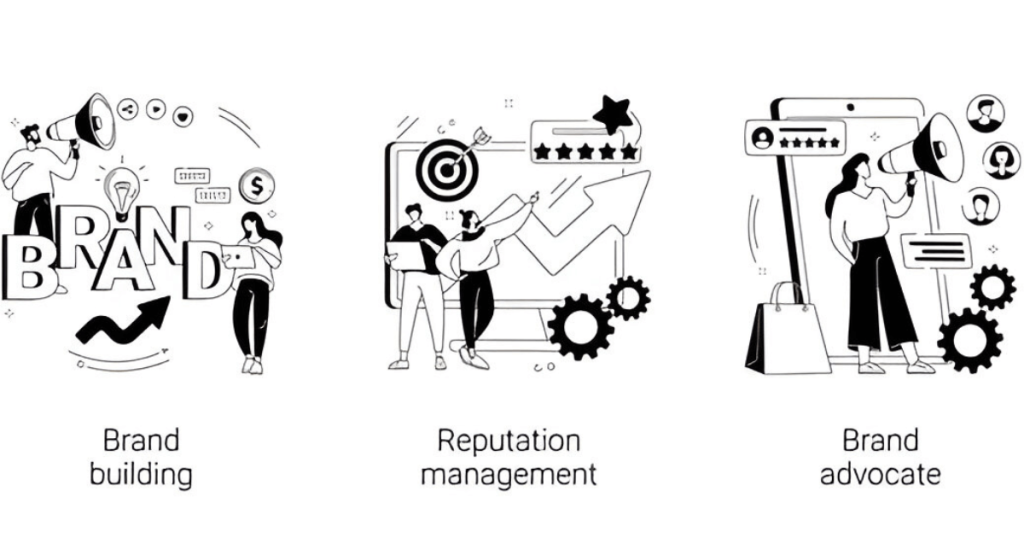
This organic, trust-driven influence has a measurable impact. Studies show that customers acquired through word-of-mouth marketing have a 37% higher retention rate compared to those gained through paid advertising or traditional marketing channels. This makes advocacy marketing one of the most powerful and cost-efficient customer acquisition strategies for brands in the digital era.
Brand advocates typically demonstrate three defining characteristics:
-
Deep Customer Loyalty:
They make repeat purchases, engage with new product launches, and consistently choose your brand over competitors. -
High Engagement Across Touchpoints:
Whether it’s social media, email newsletters, online communities, or loyalty programs, advocates stay involved and show genuine interest. -
Voluntary Promotion and Social Sharing:
They naturally talk about your brand, leave detailed reviews, and recommend your products to friends, family, and followers.
Understanding these traits allows you to pinpoint potential advocates, nurture stronger customer relationships, and build a scalable advocacy marketing strategy that drives long-term brand growth.
Analyzing Customer Data to Identify Potential Advocates
Your customer database is one of the richest sources for uncovering high-value brand advocates. By analyzing behavioral patterns, purchase history, and engagement signals, you can pinpoint customers who are most likely to evolve into loyal promoters or brand evangelists.
Start with purchase behavior analysis. Identify customers who make frequent repeat purchases or regularly explore multiple product lines. These buyers demonstrate strong brand loyalty, trust, and familiarity with your offerings—key indicators of future advocacy potential.
Next, evaluate Customer Lifetime Value (CLV). High-CLV customers typically invest more in your brand and experience deeper satisfaction with your products or services. Segment your customer base and focus on the top 20%, as they are statistically more likely to become active advocates and referral sources.
Engagement metrics offer deeper insights into emotional and behavioral connection. Track email open rates, click-through rates (CTR), website visit frequency, app usage, and social media interactions. Customers who consistently engage with your brand narrative, updates, and content show genuine interest and a strong affinity toward your brand values.
Even payment behavior reveals important signals. Customers who pay invoices on time, upgrade plans proactively, leave fewer support complaints, or seldom request refunds often have a positive customer experience. This level of satisfaction and trust commonly precedes enthusiastic advocacy behavior.
By combining these data points—purchase patterns, CLV, engagement levels, and financial reliability—you can create a clear and actionable profile of your strongest potential brand advocates.
Monitoring Social Media and Online Mentions

Social listening tools help identify customers who already promote your brand organically. Search for mentions of your company name, products, and branded hashtags across social platforms. Pay attention to users who create original content featuring your products or services without prompting.
Look for customers who tag your brand in their posts, share your content with personal comments, or respond positively to your social media updates. These interactions indicate genuine engagement that can be nurtured into formal advocacy relationships.
Monitor review platforms like Google My Business, Yelp, and industry-specific sites. Customers who leave detailed, positive reviews often possess the communication skills and motivation needed for effective brand advocacy. Note reviewers who include specific details about their experiences or recommend your business to specific customer types.
Online community participation provides another advocacy indicator. Identify customers who participate in forums, Facebook groups, or LinkedIn discussions related to your industry. Active community members often influence peer opinions and can extend your brand’s reach within relevant audiences.
Leveraging Customer Feedback and Reviews
Customer feedback is one of the most reliable indicators for identifying potential brand advocates. Detailed, positive reviews often reveal individuals who can clearly articulate your brand’s value proposition and communicate their experiences in an authentic and persuasive way. Pay attention to reviewers who highlight specific product benefits, compare your offering favorably against competitors, or describe how your solution helped them overcome a real-world challenge—these signals often point to high-quality advocacy potential.
Net Promoter Score (NPS) surveys are another powerful tool for spotting loyal customers likely to become advocates. Those who rate your brand a 9 or 10 on the “likelihood to recommend” scale show strong brand affinity and enthusiasm. Reach out to these promoters to understand what they love most about your product and explore whether they’re interested in joining a formal advocacy initiative.
Your customer support interactions also contain hidden advocacy opportunities. Customers who provide thoughtful feedback, share improvement suggestions, or maintain a positive attitude even during issue resolution often demonstrate a deeper emotional investment in your brand. Because they’ve experienced exceptional customer service firsthand, they are more likely to evolve into genuine brand advocates who can speak from real, human experiences.
Surveys that measure brand perception, values alignment, and emotional connection further help you identify advocacy potential. Customers who resonate strongly with your mission, culture, or brand story are naturally inclined toward authentic promotion. These emotionally connected customers can become some of your most influential advocates, spreading positive word-of-mouth and strengthening your brand credibility across digital channels.
Building an Advocacy Program Strategy

Once you’ve identified your potential brand advocates, the next step is to build a structured and scalable advocacy program that nurtures long-term relationships. A well-designed strategy empowers loyal customers to share their experiences, generate authentic word-of-mouth marketing, and strengthen your brand reputation.
Start by creating tiered participation levels to meet different advocate preferences. Some customers may enjoy sharing branded content on social media, while others excel at writing detailed testimonials, providing user-generated content (UGC), or participating in case studies and product reviews. Offering flexible engagement options helps you activate advocates in ways that feel natural and aligned with their strengths.
Recognition plays a major role in sustaining advocacy behavior. Use both public and private reward systems—such as social media shoutouts, website spotlights, exclusive previews, VIP event access, or special discounts—to appreciate their contributions. Personalizing these rewards strengthens emotional connection and prevents your program from feeling transactional.
To make advocacy seamless, equip your community with easy-to-use resources. Provide branded hashtags, shareable content templates, ready-made visuals, and product photos or videos so advocates can post effortlessly. Removing friction increases consistency and encourages organic promotion.
Maintain ongoing engagement with regular communication. Share insider updates, new product announcements, early access opportunities, and industry insights exclusively with your advocate community. This creates a sense of belonging and gives them meaningful content to discuss within their networks.
A thoughtful advocacy strategy turns loyal customers into active brand ambassadors, boosting your reach, credibility, and customer trust—one genuine interaction at a time.
Measuring Advocacy Program Success
Track both quantitative and qualitative metrics to evaluate your advocacy program’s effectiveness. Monitor referral traffic from advocate-generated content, conversion rates of advocate referrals, and the reach of advocate social media posts.
Customer acquisition cost (CAC) typically decreases when advocacy programs succeed. Compare acquisition costs for advocate-referred customers versus other channels to quantify program ROI. Most businesses find that advocate referrals cost 50-70% less to convert than traditional marketing leads.
Sentiment analysis helps measure advocacy program impact on brand perception. Track mentions of your brand across various platforms and note improvements in sentiment scores following advocacy program launches.
Long-term customer loyalty metrics among advocacy program participants often exceed non-participants. Monitor retention rates, repeat purchase behavior, and CLV growth within your advocate community to understand program effects on overall customer relationships.
Turning Insights into Action
Start by auditing your existing customer data using the criteria outlined above. Create a simple scoring system that combines purchase history, engagement levels, and feedback quality to rank advocacy potential across your customer base.
Reach out to high-scoring customers with personalized invitations to join your advocacy program. Explain the mutual benefits and start with low-commitment requests like social media follows or review participation.
Test different advocacy program formats with small groups before launching company-wide initiatives. This allows you to refine your approach based on actual advocate feedback and preferences.
Document successful advocacy interactions to create playbooks for scaling your program. Understanding what motivates your specific advocates helps you recruit and retain additional brand ambassadors more effectively.
Brand advocates represent one of your most valuable marketing assets. By systematically identifying, nurturing, and activating these passionate customers, you can create sustainable word-of-mouth marketing that drives growth while building stronger customer relationships. Start with the strategies outlined above, and remember that successful advocacy programs prioritize genuine relationships over transactional interactions.
FAQs
1. How do I identify brand advocates within my existing customer base?
Businesses can identify brand advocates by analyzing repeat purchases, customer lifetime value, social media activity, detailed positive reviews, NPS scores, and overall engagement with the brand. Customers who consistently engage or voluntarily recommend your brand are strong advocacy candidates.
2. What tools can I use to find and track brand advocates?
Popular tools include social listening platforms (Brandwatch, Sprout Social), customer analytics tools (HubSpot, Salesforce), NPS platforms (Delighted, Qualtrics), and review management software. These tools help monitor mentions, sentiment, and customer activity to uncover potential advocates.
3. What characteristics make someone a strong brand advocate?
Strong brand advocates typically show high loyalty, repeat purchases, emotional connection to the brand, proactive engagement on social media, and a willingness to share positive experiences without incentives.
4. How does brand advocacy differ from influencer marketing?
Brand advocacy is driven by genuine customer satisfaction, while influencer marketing is often transactional and financially motivated. Advocates promote brands voluntarily, whereas influencers are usually paid to create content or reviews.
5. What are the benefits of creating a brand advocacy program?
A structured advocacy program increases word-of-mouth referrals, improves customer loyalty, reduces customer acquisition costs, boosts brand credibility, and generates authentic user-generated content that influences buying decisions.
6. How can I encourage more customers to become brand advocates?
You can encourage advocacy by improving customer experience, offering exclusive access or recognition programs, running NPS surveys, engaging customers on social media, providing easy-to-share content, and creating a formal advocacy or ambassador program.