Brand ambassadors play an important role in helping businesses build trust, increase brand awareness, and connect with their target audiences. They represent a company’s values, products, and services while creating authentic relationships with potential customers. From social media promotion to long-term brand partnerships, brand ambassadors can help businesses strengthen their market presence and improve customer engagement. This guide explores what brand ambassador marketing is, the responsibilities involved, its benefits, and how businesses and individuals can develop successful ambassador programs.
Brand Ambassador Marketing
Brand ambassador marketing is a promotional strategy in which individuals represent a business, promote its products or services, and communicate its values to a wider audience. These individuals may include customers, industry professionals, employees, content creators, or public figures who genuinely support a particular brand. Unlike traditional advertising, this marketing approach focuses on personal recommendations and authentic experiences. People are more likely to trust recommendations from individuals they follow or admire than promotional messages that come directly from a company. This makes brand ambassador marketing an effective way to establish credibility and develop stronger customer relationships.
Businesses can use different channels to implement this strategy, including social media platforms, websites, events, product reviews, and online communities. For example, an ambassador might share a product demonstration on Instagram, publish a detailed review, or discuss their experience with a service through a YouTube video. A successful marketing strategy also requires a consistent brand identity. Businesses should maintain a professional online presence and understand current to ensure their websites provide a positive experience for visitors who discover the company through ambassador promotions. By combining authentic recommendations with consistent digital marketing efforts, businesses can reach new audiences and build lasting relationships with potential customers.
Role of a Brand Ambassador
A brand ambassador acts as a representative of a company and helps communicate its message to existing and potential customers. Their primary role is to create positive associations with the brand while encouraging people to learn more about its products or services. Brand ambassadors often build connections with their audiences through regular communication and personal experiences. Rather than simply advertising a product, they explain how it fits into their everyday lives, professional activities, or personal interests. This approach makes promotional content feel more relatable and trustworthy.
Another important responsibility is maintaining a consistent brand image. Ambassadors should understand the company’s mission, values, target audience, and communication style before representing it publicly. Their behavior and content should reflect the identity that the business wants to establish. They may also participate in promotional campaigns, attend company events, answer audience questions, share product updates, and provide feedback about customer preferences. Through these activities, brand ambassadors help businesses understand how their products are perceived in the market. Ultimately, their role goes beyond promotion. They help create meaningful relationships between businesses and consumers, making the brand more recognizable and approachable.
Brand Ambassador Program
 A brand ambassador program is an organized marketing initiative through which a company selects individuals to represent and promote its brand over a specific period. It provides a structured way to build relationships with ambassadors and ensure that promotional activities support business objectives. The first step in creating a successful program is identifying the target audience. Businesses should understand the type of customers they want to reach, their interests, purchasing behavior, and preferred communication channels. This information helps companies select ambassadors who have relevant audiences and a genuine connection with the brand.
After identifying suitable candidates, businesses should establish clear expectations. These may include content requirements, promotional schedules, brand guidelines, communication responsibilities, and performance goals. Having clear guidelines ensures that ambassadors understand what is expected of them. Compensation is another important part of a program. Depending on the company’s budget and objectives, ambassadors may receive free products, discounts, commissions, exclusive experiences, or financial compensation.
Businesses should also monitor the performance of their programs. Tracking engagement, referral traffic, conversions, audience growth, and campaign reach can help determine whether the initiative is delivering meaningful results. A well-managed program should focus on long-term relationships rather than occasional promotional activities. When companies provide proper support and recognize ambassador contributions, they can develop partnerships that benefit both parties.
Benefits of Brand Ambassadors
One of the biggest advantages of working with brand ambassadors is the opportunity to increase brand awareness. Ambassadors introduce businesses to audiences that may not have discovered their products or services through traditional advertising. Their recommendations can generate interest and encourage potential customers to explore the company. Another major benefit is increased customer trust. Consumers often value real experiences and personal opinions when making purchasing decisions. When someone they trust recommends a product, it can make the brand appear more credible and reliable.
Brand ambassadors can also improve customer engagement. Through comments, discussions, reviews, and social media content, they create opportunities for businesses to interact with their audiences in a more natural way. In addition, ambassador marketing can be a cost-effective promotional strategy. Instead of depending entirely on expensive advertising campaigns, businesses can develop partnerships with existing customers and relevant content creators who already have established communities.
Another important benefit is the opportunity to collect valuable customer feedback. Ambassadors can share audience questions, product concerns, and suggestions that help businesses improve their offerings. These advantages are closely connected to building brand trust. Companies that want to develop stronger customer relationships should understand brand trust and the foundation of long-term business</a>, because trust is essential for creating customer loyalty and maintaining a positive reputation.
Brand Ambassador Responsibilities
Brand ambassadors have several responsibilities that help maintain a positive relationship between a business and its audience. Their duties may vary depending on the company, industry, and type of partnership, but the main objective remains the same: representing the brand professionally and authentically. One of their primary responsibilities is promoting products and services through appropriate communication channels. This may involve sharing social media posts, creating videos, publishing product reviews, attending promotional events, or recommending products to their personal networks.
They are also expected to understand the company’s products, services, and values. Having accurate information allows them to communicate confidently and answer basic questions from interested customers. Maintaining professional conduct is equally important. Since ambassadors represent a business publicly, their communication and behavior should align with the company’s expectations. They should avoid misleading statements, inappropriate promotional practices, and unverified product claims.
Another responsibility involves maintaining regular communication with the marketing team. Ambassadors may need to provide campaign updates, share audience feedback, and participate in scheduled promotional activities. Some ambassadors also contribute to digital campaigns by participating in online events and webinars. For businesses interested in expanding their educational and promotional reach, integrating ambassador participation into an online webinar marketing strategy can create additional opportunities for audience engagement. By fulfilling these responsibilities consistently, ambassadors can help businesses maintain credibility and build stronger relationships with their customers.
How to Become a Brand Ambassador
 Becoming a brand ambassador requires more than having a large social media following. Companies generally look for individuals who have an engaged audience, communicate effectively, and demonstrate a genuine interest in the products or services they represent. The first step is choosing a brand that matches your interests, personality, and values. Promoting products that you genuinely appreciate makes it easier to create authentic content and establish trust with your audience.
Building a strong online presence is another important step. You can start by regularly sharing useful content, engaging with followers, and developing a recognizable personal identity. Platforms such as Instagram, TikTok, YouTube, and Facebook can provide opportunities to connect with potential customers and businesses. It is also important to create quality content. Product demonstrations, honest reviews, educational posts, and personal experiences can help demonstrate your ability to communicate effectively.
Once you have established your presence, research companies that offer ambassador opportunities. Some businesses have application forms on their websites, while others recruit ambassadors through social media campaigns or direct partnerships. When applying, highlight your audience engagement, content creation experience, communication skills, and interest in the company. You do not necessarily need millions of followers. A smaller but relevant and engaged audience can be valuable to the right business. Consistency, professionalism, and authenticity are essential for developing successful ambassador relationships.
Brand Ambassador Strategies
An effective ambassador strategy begins with clear marketing objectives. Businesses should determine whether they want to increase awareness, generate leads, improve sales, launch new products, or strengthen customer loyalty. These objectives help guide ambassador selection and campaign development. Choosing the right ambassadors is one of the most important strategic decisions. Companies should consider audience relevance, engagement quality, communication style, professional reputation, and alignment with brand values rather than focusing only on follower numbers.
Another effective strategy is encouraging authentic storytelling. Instead of requiring ambassadors to publish repetitive promotional messages, businesses should allow them to share genuine experiences and explain how products or services provide value. Video content can also strengthen ambassador campaigns. Product demonstrations, tutorials, interviews, and customer testimonials help audiences understand what a company offers. Businesses can extend the reach of these campaigns through a well-planned YouTube video marketing strategy , allowing ambassador content to reach viewers who prefer informative and visual content.
Companies should also encourage ambassadors to participate in seasonal campaigns, product launches, community discussions, and exclusive promotional events. These activities keep the partnership active and give audiences fresh reasons to engage. Finally, businesses should regularly review campaign performance. Analyzing engagement rates, website visits, referral traffic, and conversions helps identify successful approaches and areas that need improvement.
Brand Promotion and Awareness
Brand promotion and awareness are essential for businesses that want to attract new customers and establish a recognizable market presence. Brand ambassadors contribute to these goals by introducing products and services through personal recommendations and relevant content. One advantage of ambassador-led promotion is its ability to reach specific communities. For example, a fitness company can work with fitness enthusiasts, while a technology business can collaborate with professionals who regularly discuss digital products. This makes promotional activities more relevant to the intended audience.
Social media is particularly useful for increasing brand visibility. Ambassadors can share product experiences, publish stories, participate in discussions, and create short-form videos that encourage people to explore a company’s offerings. However, successful promotion should not stop at publishing content. Businesses also need to monitor conversations, understand audience opinions, and respond to customer concerns. Using an effective social media brand monitoring</a> approach can help companies track brand mentions, identify customer sentiment, and understand how ambassador campaigns influence public perception.
Consistency is another important factor. Repeated exposure to a brand through authentic and relevant content can help audiences become more familiar with its products and values. When businesses combine ambassador recommendations with strong digital marketing and customer communication, they can create greater awareness and encourage long-term customer engagement.
Influencer Marketing vs Brand Ambassadors
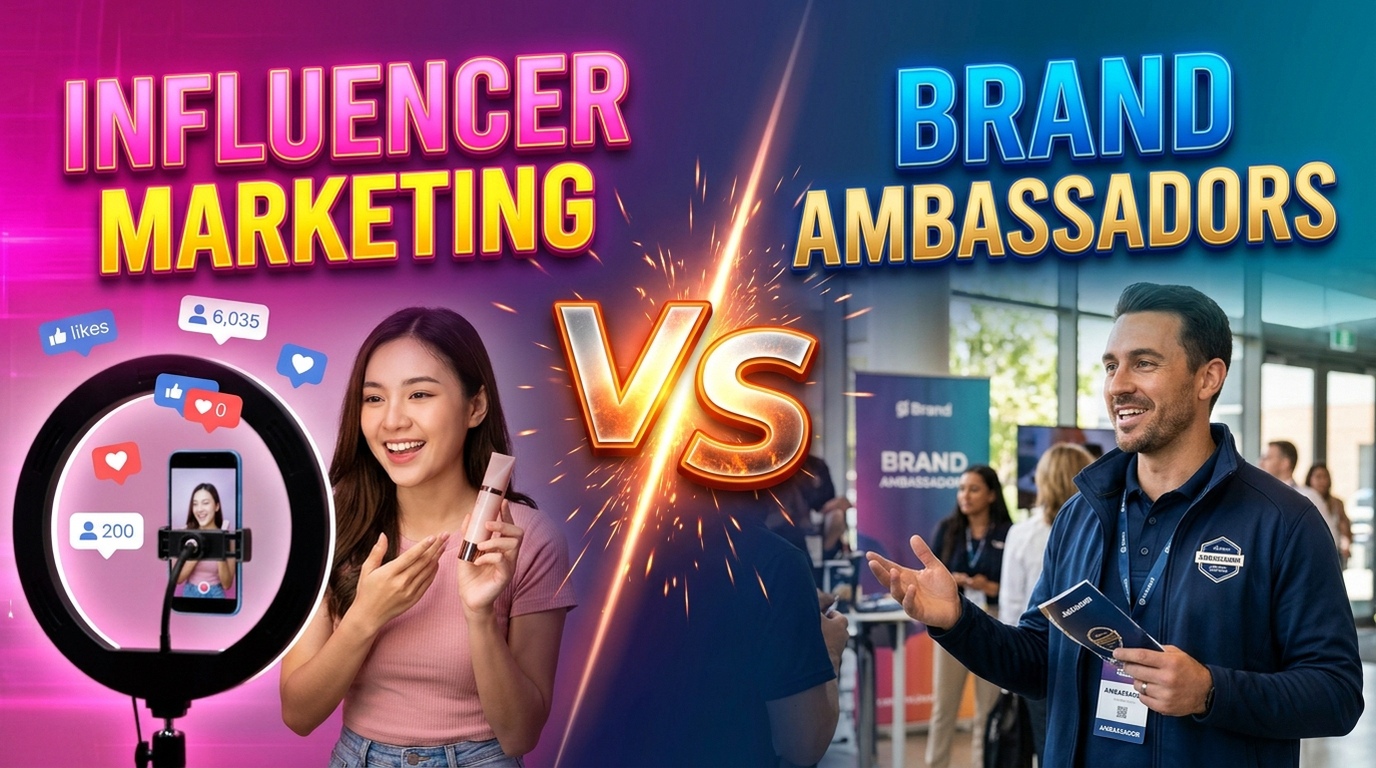 Influencer marketing and brand ambassador marketing are closely related, but they serve different purposes. Both approaches use individuals to promote products and services, yet their partnership structures, objectives, and relationship durations can vary. Influencer marketing generally involves collaborating with content creators who have established audiences on social media or other digital platforms. Businesses pay influencers or provide other benefits to promote specific products, services, or campaigns. These collaborations are often short-term and focused on reaching a particular audience or achieving immediate marketing results.
Brand ambassador marketing usually focuses on a longer-term relationship between an individual and a company. Ambassadors consistently represent the brand, communicate its values, and promote its products through ongoing activities. They may be existing customers, employees, industry professionals, or influencers who genuinely support the business. Another difference is the nature of the relationship. Influencer campaigns may focus on a specific promotional agreement, while ambassador partnerships often involve deeper brand familiarity and continuous engagement. However, the two strategies can work together. A business might initially collaborate with an influencer for a product launch and later invite that person to become a long-term ambassador. The best approach depends on the company’s marketing objectives, budget, target audience, and desired partnership structure.
Brand Ambassador Partnership
A brand ambassador partnership is an ongoing professional relationship between a business and an individual who agrees to represent and promote its products, services, or values. Successful partnerships depend on mutual trust, clear communication, and shared objectives. The foundation of a strong partnership is choosing someone who genuinely connects with the brand. Companies should evaluate whether an individual’s interests, audience, reputation, and communication style align with their business identity.
Once a suitable ambassador is selected, both parties should agree on the partnership terms. These may include promotional responsibilities, compensation, content guidelines, campaign duration, exclusivity conditions, and performance expectations. Businesses should also provide ambassadors with the resources they need to succeed. Product information, promotional materials, campaign updates, and direct communication with the marketing team can make the partnership more effective.
Recognizing ambassador contributions is equally important. Companies can maintain positive relationships by offering incentives, exclusive opportunities, performance rewards, and regular feedback. Transparency should remain a priority throughout the partnership. Ambassadors must clearly disclose sponsored relationships or material connections when required by applicable advertising regulations and platform policies. A successful partnership should create value for both the business and the ambassador. When both parties understand their responsibilities and work toward shared goals, the relationship can become an important part of a company’s long-term marketing strategy.
Conclusion
Brand ambassador marketing is a valuable approach for businesses looking to build trust, improve brand recognition, and establish meaningful relationships with customers. By selecting the right individuals, creating structured programs, and encouraging authentic communication, companies can develop partnerships that support their long-term marketing objectives. Whether a business is launching a new product or strengthening its existing market presence, a well-planned ambassador strategy can help connect its message with the right audience. The key to success is building genuine relationships, maintaining consistent communication, and providing value to both ambassadors and customers.
FAQ
1. What is a brand ambassador?
A brand ambassador is an individual who represents a company and promotes its products, services, or values. They help businesses increase awareness, build credibility, and develop stronger relationships with potential customers.
2. What does a brand ambassador do?
A brand ambassador promotes products and services, creates promotional content, communicates with audiences, attends events, shares personal experiences, and maintains a positive image of the company they represent.
3. What are the main benefits of brand ambassador marketing?
The main benefits include increased brand awareness, improved customer trust, stronger engagement, greater audience reach, valuable customer feedback, and opportunities to generate leads and sales.
4. Do you need a large following to become a brand ambassador?
No. A large following is not always necessary. Many businesses prefer individuals with an engaged and relevant audience. Authentic communication, quality content, and a genuine interest in the brand can be more valuable than follower numbers alone.
5. How do companies choose brand ambassadors?
Companies typically consider audience relevance, engagement rates, communication skills, professional reputation, content quality, and alignment with their brand values when selecting ambassadors.
6. Are brand ambassadors paid?
Yes, some brand ambassadors receive financial compensation, commissions, free products, discounts, or exclusive experiences. Compensation depends on the company’s budget, partnership agreement, and ambassador responsibilities.
7. How long does a brand ambassador partnership last?
The duration varies depending on the agreement. Some partnerships last a few months, while others continue for several years. Long-term partnerships are often useful for building consistent brand recognition and customer trust.
8. What is the difference between a brand ambassador and an influencer?
An influencer typically promotes products through specific campaigns or sponsored content, while a brand ambassador generally maintains an ongoing relationship with a company and represents its identity over a longer period.
9. Which social media platforms are best for brand ambassadors?
Instagram, TikTok, YouTube, and Facebook are popular platforms for ambassador marketing. The best platform depends on the target audience, industry, content format, and marketing objectives.
10. How can businesses measure the success of a brand ambassador program?
Businesses can measure performance through engagement rates, reach, impressions, referral traffic, website visits, lead generation, conversions, and sales. Monitoring customer feedback and brand sentiment can also provide valuable insights into campaign effectiveness.