

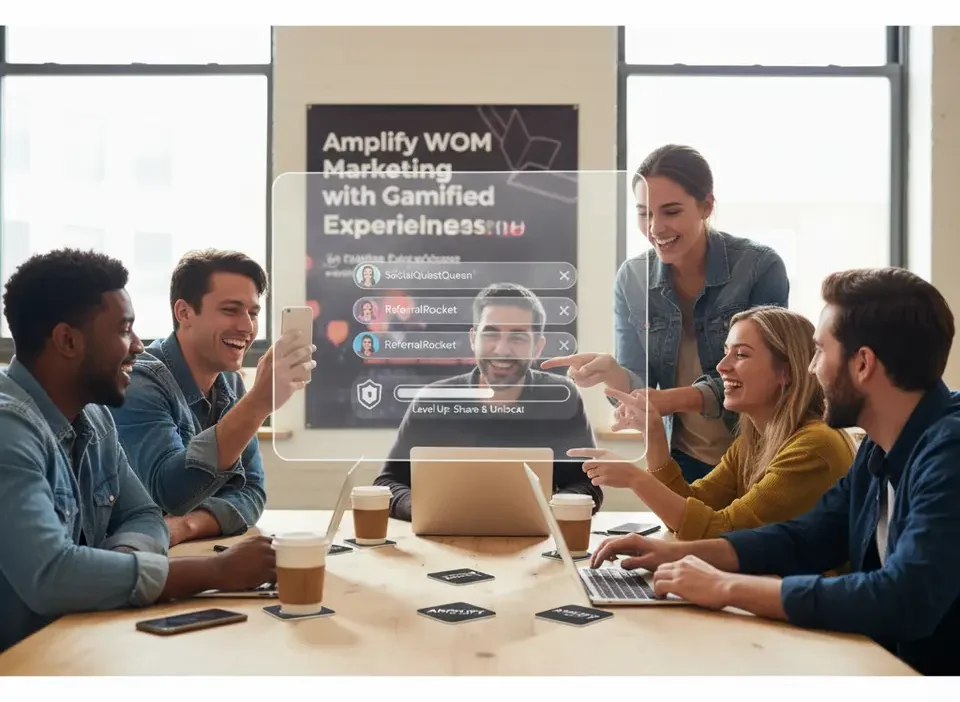
In today’s digital landscape, brands are constantly seeking innovative ways to foster authentic connections and spark user-driven conversations. One method gaining momentum is gamification word-of-mouth marketing, a strategy that blends interactive game-style features with traditional referral and sharing initiatives. By tapping into users’ intrinsic motivations—such as achievement, recognition, and social connection—this approach encourages participants to become active advocates, voluntarily promoting products and services to their circles.
As consumers grow more skeptical of paid advertisements, personal endorsements have become a cornerstone of trust. Research from Pew Research Center indicates that recommendations from friends and family consistently rank among the most credible forms of promotion. Leveraging gamified elements—like points, badges, and leaderboards—enables brands to make sharing not only rewarding but also fun. In fact, companies currently experimenting with these tactics this year (2026) report increased referral rates and higher customer engagement.
Implementing gamification word-of-mouth marketing requires a thoughtful balance of technology, psychology, and creative design. Throughout this article, we will explore the foundational concepts, uncover the psychological triggers that drive sharing behaviors, outline proven strategies, and provide actionable guidance on building reward systems and social sharing tools. Whether you are a marketing professional or a brand manager, you will discover how to craft compelling gamified experiences that inspire your audience to spread the word enthusiastically.
Defining Gamification in Marketing
At its core, gamification involves integrating game mechanics into non-game contexts to motivate participation and loyalty. When applied to word-of-mouth campaigns, gamification word-of-mouth marketing transforms routine referral programs into dynamic experiences that appeal to human desires for status, mastery, and social proof. Typical game elements include:
- Points or scoring mechanisms that track progress.
- Levels or progress bars signaling advancement.
- Badges, awards, and virtual trophies for achievements.
- Leaderboards showcasing top advocates.
- Challenges, quests, and timed events to maintain interest.
By weaving these components into a cohesive narrative, brands can design programs that resonate emotionally and encourage repeated interactions. For example, a retailer might issue weekly challenges requiring customers to refer friends, post reviews, or share product photos to earn badges. As participants accumulate points and ascend leaderboards, they feel a sense of accomplishment and are more likely to discuss their progress publicly.
Academic studies, such as those published in the National Center for Biotechnology Information, highlight how gamification taps into neurotransmitter responses, like dopamine release, which enhances motivation. In today’s fast-paced environment, gamification word-of-mouth marketing offers a sophisticated toolkit to capitalize on these psychological drivers, encouraging organic conversations around your brand.
Psychological Triggers That Drive Sharing

Understanding the cognitive and social factors behind word-of-mouth can help marketers optimize their gamification word-of-mouth marketing initiatives. Several key psychological triggers fuel sharing behaviors:
1. Social Proof and Competition
People tend to mirror the actions of their peers, especially when uncertain. Displaying public leaderboards and social metrics within your gamified campaign leverages social proof, prompting participants to imitate successful behaviors. The element of competition also sharpens focus, as users strive to outperform friends or colleagues, often sharing their achievements to showcase their status.
2. Achievement and Recognition
Earning badges or unlocking milestones fulfills a basic human need for recognition. When the gamification word-of-mouth marketing system visibly rewards accomplishments—like completing a series of tasks or referring a number of new users—participants gain a sense of pride. This validation frequently translates into social media posts, blog mentions, and direct recommendations.
3. Mastery and Progress
Structured progression, such as leveling up or completing progressively challenging quests, sustains engagement. Each completed stage offers a dopamine boost, encouraging users to pursue the next objective. By making these milestones shareable—through customizable graphics or auto-generated posts—you foster continuous exposure and word-of-mouth momentum.
4. Community and Belonging
Group quests and team-based challenges cultivate a sense of belonging. When participants collaborate toward collective goals, they develop communal bonds, strengthening loyalty to your brand. Shared experiences spark organic discussions, both online and offline, as team members celebrate wins and strategize future steps.
By combining these triggers, gamification word-of-mouth marketing campaigns can create compelling narratives that resonate emotionally with users. Recognizing which motivators align with your target audience enables you to fine-tune challenges, rewards, and social components for maximum impact.
Proven Strategies for Gamified Referrals
Building on psychological insights, practical strategies ensure that gamification word-of-mouth marketing campaigns deliver measurable results. Below are several tactics to consider:
Referral Challenges with Tiered Rewards
Create multi-level referral campaigns where each friend invited unlocks escalating benefits. For instance, first-tier invites might yield extra points, while higher-tier referrals open exclusive badges or access to special events. Tiered rewards encourage ongoing engagement, as participants strive to reach the next level.
Shareable Milestones and Visual Assets
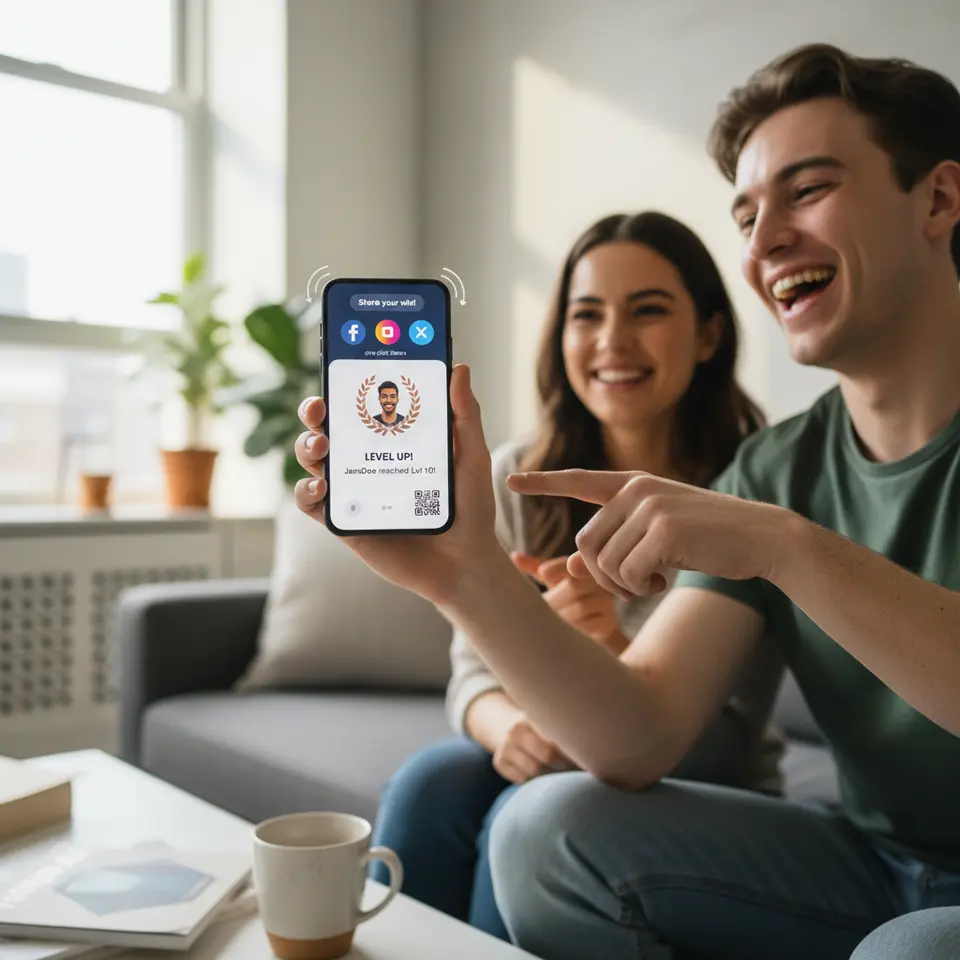
Supply users with on-brand, auto-generated graphics when they hit key milestones. Personalized images highlighting their avatars, badges earned, and leaderboard positions make sharing effortless. These visuals act as free advertising, broadening reach on platforms like Instagram and Twitter.
Community Quests and Team-Based Goals
Assemble participants into groups with shared objectives—such as collective sign-ups or co-creative challenges. By working together, team members motivate one another, often discussing progress in dedicated forums or chat channels. This camaraderie amplifies word-of-mouth and deepens user relationships.
Limited-Time Events and Flash Campaigns
Introducing ephemeral challenges—such as weekend scavenger hunts or seasonal tasks—creates urgency and fear of missing out. Time-bound events drive immediate participation and spontaneous sharing, as users want to brag about quick wins before they expire.
Live Leaderboards and Public Recognition
Display real-time standings on your website or within your app. Celebrating top advocates publicly not only rewards high performers but also inspires others to climb the ranks. Public recognition fosters friendly rivalries and sustains buzz around your gamified efforts.
Applying these strategies ensures that your gamification word-of-mouth marketing approach is dynamic, inclusive, and share-focused, leading to sustained growth in brand visibility and referrals.
Designing Reward Systems That Motivate Advocacy
A compelling reward framework blends intrinsic pleasure with tangible incentives. Below are guidelines for crafting balanced reward systems within gamification word-of-mouth marketing programs:
Symbolic and Status-Based Rewards
Badges, leader titles, and virtual trophies cater to the human desire for status. These symbolic rewards are cost-effective and can be tiered to reflect varying levels of achievement. Publicly visible symbols stimulate social sharing as participants showcase their progress.
Monetary Incentives and Discounts
Offering coupons, credits, or special discounts provides clear transactional value. While purely financial rewards can drive short-term spikes, pairing them with status-based perks fosters deeper engagement and long-term loyalty.
Experiential and VIP Opportunities
Exclusive invites to events, early access to new products, or behind-the-scenes tours create memorable experiences. Such rewards forge emotional connections, making participants more inclined to share their authentic experiences with friends and followers.
Progressive Unlockables
Design reward tiers that unlock new perks as users advance. For example, early-stage participants earn simple badges, while veterans gain access to premium content or co-creation opportunities. This progressive layering sustains motivation and encourages repeat referrals.
Personalized and Surprise Bonuses
Occasionally surprise top participants with personalized gifts or shout-outs. Unexpected rewards delight users and generate positive word-of-mouth. Personalization—such as addressing participants by name or referencing their achievements—enhances the impact.
Continuous A/B testing of reward combinations helps identify the most effective mix. The key to successful gamification word-of-mouth marketing is flexibility: adapt reward structures based on real-time performance data and participant feedback to keep the experience fresh and compelling.
Tools and Techniques for Effortless Social Sharing
Removing friction from sharing processes is essential in maximizing the reach of gamification word-of-mouth marketing campaigns. The following tools and techniques streamline content distribution:
One-Click Social Buttons
Embed intuitive share icons at every reward milestone. By enabling one-click posting to platforms like Facebook, LinkedIn, or Twitter, you lower the barrier for users to spread the word. Persistent floating buttons within apps or web pages maintain visibility even as users scroll.
Auto-Generated Shareable Assets
Deploy scripts that automatically generate images or short videos summarizing achievements. Incorporate hashtags, handles, and campaign logos to reinforce brand messaging. Offering customizable templates empowers users to add personal flair while maintaining visual consistency.
Unique Referral URLs and QR Codes
Assign individualized links or QR codes to each participant. This not only tracks performance metrics—such as click-through and conversion rates—but also simplifies sharing in offline contexts. QR codes displayed at events or on printed materials enable swift mobile engagement.
In-App and Push Notifications
Timely prompts can nudge users to share at peak moments. For example, when a new badge is unlocked or a reward tier is reached, a push notification can offer a direct share link. Strategically timed alerts increase participation without overwhelming users.
Social Integrations and API Connectivity
Integrate with major social networks and communication tools through APIs to facilitate seamless content propagation. Automated triggers—for instance, posting milestone updates to Slack channels or community forums—extend your campaign’s reach into professional and niche groups.
By leveraging these tools, brands can make sharing feel natural and immediate, amplifying the effects of gamification word-of-mouth marketing and ensuring that every achievement becomes an opportunity for organic promotion.
FAQ
Q: What is gamification word-of-mouth marketing?
A: Gamification word-of-mouth marketing integrates game mechanics—such as points, badges, and leaderboards—into referral and sharing programs to motivate users to promote your brand organically.
Q: How can I track the success of a gamified referral campaign?
A: Utilize unique referral URLs, QR codes, and analytics platforms to monitor metrics like referral rates, click-throughs, social shares, and conversion growth in real time.
Q: Which reward types drive the most engagement?
A: A balanced mix of status-symbol rewards (like badges), tangible incentives (such as discounts), and experiential perks (like VIP events) tends to deliver both immediate and sustained engagement.
Conclusion
In today’s competitive environment, gamification word-of-mouth marketing provides a dynamic pathway to cultivate organic advocacy, deepen customer engagement, and drive sustained growth. By understanding the psychological foundations of sharing, employing targeted strategies, and building robust reward and sharing systems, brands can create immersive experiences that users are eager to broadcast.
As you embark on your gamification journey this year (2026), begin by piloting a focused referral challenge or badge system. Monitor key metrics—like referral rate, social impressions, and conversion growth—to refine your approach. Collaborate with your creative, analytics, and development teams to iterate quickly, emphasizing simplicity, fairness, and brand alignment. With thoughtful design and continuous optimization, gamification word-of-mouth marketing can transform casual customers into passionate ambassadors, propelling your brand to new heights in today’s digital landscape.


