


Building brand trust requires consistent communication, transparency, authentic storytelling, and a strong focus on customer experience. By delivering on promises, responding to feedback, and providing genuine value, brands can strengthen credibility, earn loyalty, and turn customers into long-term advocates.
Building brand trust requires consistent communication, authentic storytelling, transparent practices, and a genuine commitment to customer experience. Brands that earn trust don’t just win sales—they build loyal communities that advocate on their behalf long after the transaction ends.
Trust is the foundation of every lasting business relationship. Without it, even the most well-funded marketing campaigns fall flat. Customers today are more informed, more skeptical, and more vocal than ever before. They research before they buy, compare options before they commit, and share their experiences—good or bad—with their networks.
So how do you build a brand that people genuinely trust? The short answer: consistently. The longer answer involves strategy, authenticity, and a deep understanding of what your customers actually value.
This guide covers everything from brand credibility strategies to reputation management, giving you actionable tools to strengthen customer relationships and increase consumer trust over time.
Why Does Customer Trust Matter So Much for Businesses?

Customer trust directly influences purchasing decisions, brand loyalty, and long-term revenue. When customers trust a brand, they’re more likely to return, spend more, and recommend the brand to others. When they don’t, no amount of discounting or advertising will win them over for long.
Trust also acts as a buffer during difficult moments. Brands with strong credibility can weather PR challenges, product recalls, or negative press far more effectively than those with fragile reputations. Customers who trust you will give you the benefit of the doubt. Those who don’t, won’t.
The business case for trust-building is clear. The strategies to get there require more nuance.
Understanding the psychology of word-of-mouth marketing helps explain why trusted brands generate stronger customer loyalty and referrals
What Are the Most Effective Brand Credibility Strategies?
Brand credibility is built through repeated, reliable behavior—not one-off campaigns or slogans. Here are the strategies that make the biggest difference:
Deliver on Every Promise You Make
Credibility starts with consistency. Every time your brand promises something—fast shipping, responsive support, high-quality ingredients—and delivers on it, you earn a small deposit of trust. Every broken promise, no matter how minor, makes a withdrawal.
Audit your customer touchpoints regularly. Ask yourself: where are we overpromising and underdelivering? That gap is where trust erodes fastest.
Use Social Proof to Reinforce Your Reputation
Customers trust other customers more than they trust brands. Reviews, testimonials, case studies, and user-generated content are among the most powerful credibility tools available.
Actively encourage satisfied customers to leave reviews. Feature real stories on your website and social channels. When potential buyers see that people like them have had positive experiences, the decision to trust your brand becomes much easier.
Feature real stories on your website and social channels. Sharing authentic customer stories and testimonials can significantly strengthen brand credibility and influence purchasing decisions.
Be Transparent About Your Products and Practices
Transparency builds credibility faster than almost anything else. This includes being upfront about pricing, acknowledging when something goes wrong, and clearly communicating what your product can and cannot do.
Brands that hide behind vague language or fine print eventually get called out. Those that lead with honesty—even when it’s uncomfortable—build a reputation that’s hard to shake.
How Do You Build Customer Trust and Long-Term Loyalty?
Trust and loyalty are closely linked, but they’re not the same thing. A customer can trust your brand without being loyal, especially if a competitor offers better value. True loyalty comes when trust is combined with a consistently positive experience.
Many organizations strengthen retention by implementing a dedicated customer advocacy strategy that encourages satisfied customers to become vocal supporters.
Prioritize Customer Experience at Every Stage
From the first ad impression to post-purchase support, every interaction shapes how a customer feels about your brand. A seamless website experience, a helpful support team, and thoughtful follow-up communication all contribute to trust.
Map out your customer journey and identify any friction points. Reducing those moments of frustration signals to customers that you respect their time and value their business.
Reward Loyalty in Meaningful Ways
Loyalty programs are effective—but only when they offer genuine value. Generic points systems rarely inspire the kind of deep brand affinity that drives long-term retention. Instead, find ways to reward your most loyal customers with exclusive access, personalized offers, or early product releases.
The goal is to make your best customers feel seen and appreciated, not just incentivized.
What Role Does Authentic Brand Communication Play in Building Trust?
Authentic communication is what separates brands that feel human from those that feel like faceless corporations. In an era of polished marketing and AI-generated content, authenticity stands out.
Tell Real Stories, Not Just Polished Narratives
Share behind-the-scenes glimpses of how your products are made, introduce the people behind your brand, and don’t shy away from sharing your challenges alongside your wins. Real stories resonate because they’re relatable.
This doesn’t mean abandoning professionalism. Authenticity and quality can coexist. The key is to ensure your communication reflects genuine values—not just what sounds good in a boardroom.
Respond to Feedback—Including the Negative Kind
How a brand responds to criticism says more about its character than how it celebrates success. Publicly acknowledging a complaint, apologizing sincerely, and explaining what you’re doing to fix it demonstrates integrity.
Ignoring or deleting negative feedback, on the other hand, signals defensiveness and damages trust rapidly. Customers watching from the sidelines notice both responses.
Maintain a Consistent Brand Voice Across All Channels
Inconsistency in tone, messaging, or visual identity creates cognitive dissonance. When your email sounds nothing like your Instagram, or your website contradicts your customer service team, it’s harder for customers to form a clear, trusted impression of who you are.
Invest in brand guidelines and ensure every team member who communicates externally understands and applies them.
How Can Brands Manage and Improve Their Reputation Over Time?
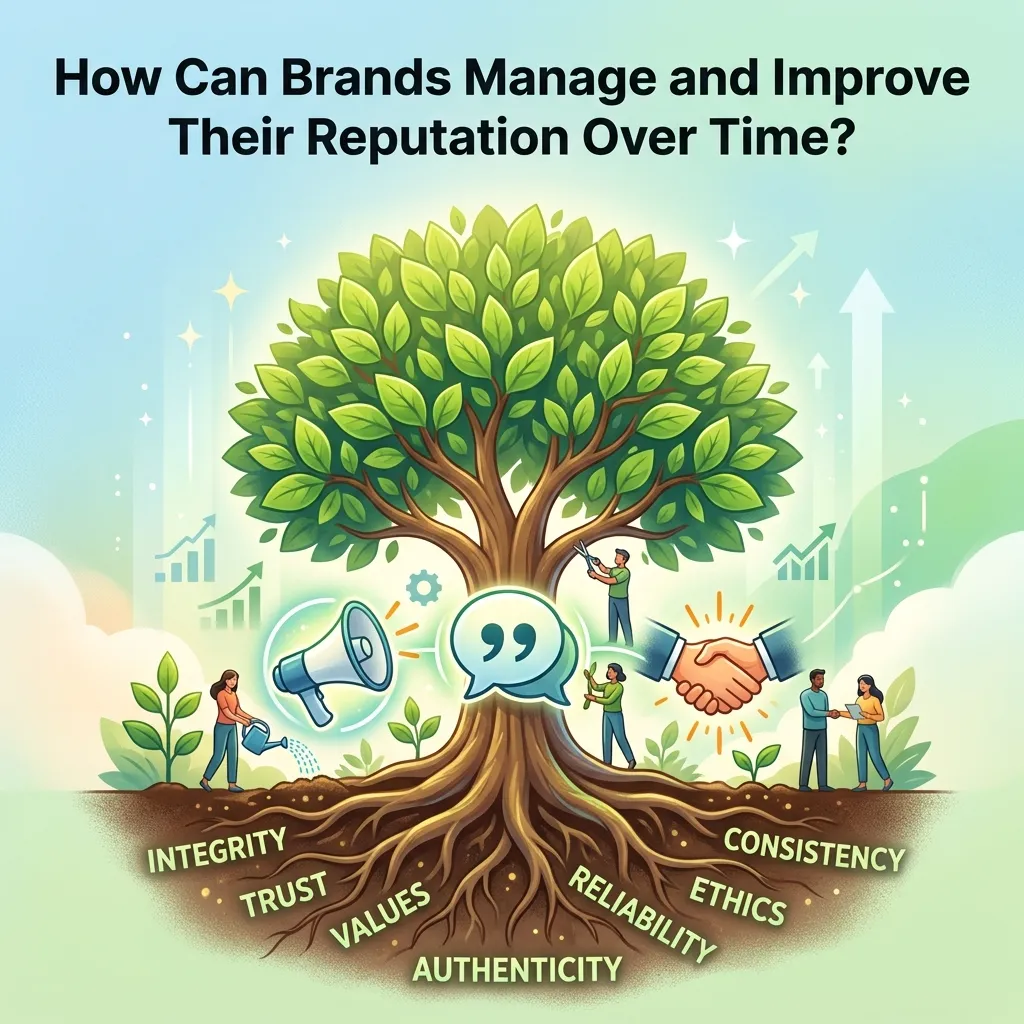
Brand reputation management is an ongoing process, not a one-time fix. It requires monitoring, responsiveness, and a proactive approach to how your brand shows up in the world.
Monitor What People Are Saying About Your Brand
Set up alerts for your brand name, key products, and relevant industry terms. Track mentions across social media, review platforms, and news outlets. Understanding your reputation in real time allows you to respond quickly when issues arise and identify patterns in customer sentiment.
Address Issues Before They Escalate
Small complaints left unaddressed have a habit of becoming loud public grievances. Build a system for catching and resolving customer issues early. A proactive email to a dissatisfied customer, sent before they post a one-star review, can turn a negative experience into a positive story.
Invest in Thought Leadership to Build Brand Authority
Brands that share valuable expertise consistently earn credibility in their industry. Publishing helpful content, speaking at events, contributing to industry publications, and offering free resources all signal that your brand knows what it’s talking about.
Thought leadership doesn’t just drive organic traffic—it positions your brand as a trusted authority, which makes every sales conversation easier.
What Trust-Building Marketing Strategies Actually Work?
Marketing plays a central role in shaping how customers perceive a brand—but only when it prioritizes substance over style.
Lead with Value, Not Just Promotion
Content marketing that genuinely helps your audience—answering real questions, solving real problems—builds trust far more effectively than promotional messaging. Customers who discover your brand through helpful content arrive with goodwill already established.
Be Honest in Your Advertising
Exaggerated claims and misleading visuals might drive short-term clicks, but they create long-term damage. When the product doesn’t live up to the ad, customers feel deceived. That feeling is hard to reverse.
Honest advertising—showing real use cases, setting accurate expectations, and highlighting genuine differentiators—attracts customers who are a true fit for your product. Those customers are far more likely to become loyal advocates.
Partner with Credible Voices in Your Industry
Influencer and partner marketing works best when the collaboration feels natural and credible. Choose partners whose audiences align with yours and whose values match your brand’s. Authentic endorsements from trusted voices carry significant weight.
Paid partnerships with influencers who clearly don’t use or care about your product achieve the opposite effect—eroding trust rather than building it.
How Can You Build Stronger Customer Relationships Through Community?

A sense of community transforms customers from buyers into advocates. Brands with strong communities benefit from organic word-of-mouth, valuable product feedback, and a level of loyalty that’s difficult for competitors to replicate.
Create spaces—online forums, social groups, events, or newsletters—where customers can connect with each other and with your brand. Show up in those spaces consistently. Listen as much as you speak.
When customers feel part of something larger than a transactional relationship, their connection to your brand deepens in ways that marketing alone can’t manufacture.
Start Building Trust Before You Need It
Brand trust isn’t something you can manufacture overnight, and it’s not something you can buy with a bigger ad budget. It’s earned through consistent action, honest communication, and a genuine commitment to the people you serve.
The brands that stand the test of time aren’t necessarily the ones with the most resources or the cleverest campaigns. They’re the ones that show up reliably, own their mistakes, and put their customers at the center of every decision.
Start with one area—whether that’s improving your customer service response times, publishing more honest reviews, or simply being more transparent in your marketing—and build from there. Trust compounds over time, just like interest. The earlier you start, the greater the return.
Frequently Asked Questions
How long does it take to build brand trust?
Brand trust builds gradually through repeated positive experiences. There’s no fixed timeline—it depends on the consistency of your actions, the quality of your customer experience, and how well your brand delivers on its promises. Trust can be gained slowly and lost quickly, which is why maintaining standards is as important as setting them.
What is the biggest threat to brand credibility?
Inconsistency is one of the greatest threats to brand credibility. This includes inconsistency between what a brand promises and what it delivers, between its public values and its internal practices, and between the experience it offers across different channels. Customers notice misalignment, even when brands don’t.
How does transparency improve consumer trust?
Transparency gives customers the information they need to make confident decisions. Brands that openly share pricing, sourcing practices, product limitations, and even their mistakes signal respect for their customers’ intelligence. That respect translates directly into trust.
What is the difference between brand trust and brand loyalty?
Brand trust refers to a customer’s belief that a brand is reliable, honest, and competent. Brand loyalty refers to the behavioral tendency to choose that brand repeatedly. Trust often precedes loyalty, but loyalty also requires that the brand continue to deliver value. A trusted brand can lose a loyal customer if a competitor offers a significantly better experience.
Can small businesses build brand trust as effectively as large ones?
Yes—and in some ways more effectively. Smaller brands often have the advantage of being able to communicate more personally, respond more quickly, and build genuine relationships with their customers. Authenticity is easier to convey at a smaller scale, which is a significant trust-building asset.
What is brand trust?
Brand trust is the confidence customers have that a business is reliable, honest, transparent, and committed to delivering on its promises.
Why is brand trust important?
Brand trust encourages customers to buy, return, recommend a business, and remain loyal even when competitors offer similar products or services.
How can a business build brand trust?
Businesses can build trust by delivering consistently, communicating honestly, providing excellent customer service, using authentic content, and addressing customer concerns openly.
How does transparency build consumer trust?
Transparency gives customers clear information about pricing, products, policies, and business practices. It shows that a brand respects customers and has nothing important to hide.
Does social proof help build brand credibility?
Yes. Reviews, testimonials, case studies, and user-generated content provide real experiences from other customers and can strengthen brand credibility.
How does customer experience affect brand trust?
Every interaction with a business influences trust. Helpful support, easy purchasing processes, reliable products, and effective communication create positive experiences that strengthen customer relationships.
Can small businesses build strong brand trust?
Absolutely. Small businesses can build trust through personal communication, responsive customer service, transparency, and genuine relationships with their customers.
How should brands respond to negative feedback?
Brands should acknowledge concerns, respond professionally, apologize when appropriate, and explain how they plan to resolve the issue. Handling criticism openly can strengthen credibility.
What role does authentic communication play in brand trust?
Authentic communication makes a brand feel more genuine and relatable. Sharing real stories, values, challenges, and customer experiences can create stronger emotional connections.
How long does it take to build brand trust?
There is no fixed timeline. Brand trust develops through consistent positive experiences over time, while a single major mistake can damage it quickly. Maintaining reliability and transparency is essential for long-term trust.
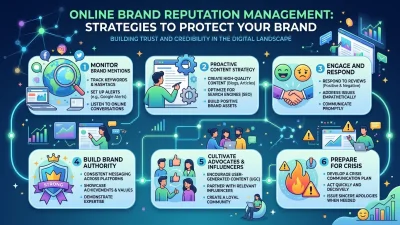


[…] following through on commitments all build the foundation advocacy is built on top of. Our guide to building brand trust that drives loyalty covers this foundational work in more depth, and it’s worth treating as a prerequisite rather […]