
Customer satisfaction is one of the most important factors in building a successful business. It reflects how well a company meets or exceeds customer expectations through its products, services, communication, and overall experience. Satisfied customers are more likely to return, recommend a brand to others, and develop long-term relationships with a business. This guide explores customer satisfaction measurement, effective strategies, customer experience management, surveys, feedback analysis, loyalty, service quality, important metrics, and customer relationship management to help businesses improve their performance and achieve sustainable growth.
Customer Satisfaction Measurement
Customer satisfaction measurement is the process of understanding how customers feel about a company’s products, services, and overall experience. It helps businesses identify whether their offerings meet customer expectations and where improvements are necessary. Without proper measurement, companies may struggle to understand customer needs or recognize problems that negatively affect their reputation.
Businesses can measure satisfaction through several methods, including customer surveys, online reviews, direct interviews, feedback forms, and follow-up communication. These methods provide valuable insights into customer opinions and purchasing experiences. For example, a company may ask customers to rate their experience after completing a purchase or contacting customer support.
Another effective approach is analyzing customer behavior, such as repeat purchases, subscription renewals, and product returns. These activities can reveal whether customers are happy with their experiences. Combining direct feedback with behavioral information gives businesses a more complete understanding of customer expectations. Regular measurement also allows companies to compare performance over time. By identifying recurring problems and monitoring improvements, organizations can make informed decisions that strengthen customer satisfaction and create better experiences.
Customer Satisfaction Strategies
Developing effective customer satisfaction strategies requires a clear understanding of customer expectations, preferences, and problems. Businesses must focus on delivering consistent value while making every interaction convenient, helpful, and enjoyable. A successful strategy should involve every department because customer experiences are influenced by marketing, sales, product development, and customer support. Personalization is an important part of improving customer experiences. Customers appreciate businesses that understand their interests and provide relevant recommendations, offers, and communication. Companies can use customer information responsibly to create personalized experiences that make people feel valued.
Consistent communication is equally important. Businesses should provide accurate product information, respond to questions promptly, and communicate honestly when problems occur. Social media is another valuable channel for understanding customer opinions. A well-planned social media listening strategy helps businesses monitor conversations, identify customer concerns, and discover opportunities to improve their services.
Companies should also make convenience a priority. Simple purchasing processes, clear pricing, flexible payment options, and accessible support can significantly improve the overall experience. By continuously evaluating their strategies, businesses can build stronger relationships and improve customer satisfaction over time.
Customer Experience Management
 Customer experience management refers to the process of monitoring, improving, and managing every interaction customers have with a business. It includes the entire customer journey, beginning with the first time someone discovers a brand and continuing through purchasing, receiving support, and developing a long-term relationship.
A positive experience depends on consistency across different communication channels. Customers may interact with a company through its website, social media platforms, email, physical stores, or customer service representatives. Each interaction should provide accurate information and a consistent brand experience.
Website performance is particularly important because many customers use websites to research products, compare services, and complete purchases. A slow, confusing, or outdated website can create frustration and cause potential customers to leave. Following modern website design trends can help businesses create attractive, accessible, and user-friendly digital experiences. Companies should also understand the different stages of the customer journey. Identifying common questions, purchasing difficulties, and support challenges allows businesses to remove unnecessary barriers. When organizations make the entire journey easier and more enjoyable, they can build trust, encourage repeat purchases, and strengthen customer satisfaction.
Customer Satisfaction Surveys
Customer satisfaction surveys are valuable tools for collecting direct opinions about products, services, and business experiences. They allow organizations to understand what customers appreciate, what disappoints them, and which areas require improvement. Well-designed surveys provide information that businesses can use to make practical decisions. Surveys can be distributed through email, websites, mobile applications, social media, or after-purchase notifications. Questions should be simple, relevant, and easy to answer. For example, businesses may ask customers how satisfied they are with a recent purchase, whether they would recommend the company, or how helpful the support team was.
Different survey formats serve different purposes. Customer Satisfaction Score surveys measure how satisfied customers are with a particular experience, while Net Promoter Score surveys measure their willingness to recommend a business. Customer Effort Score surveys help organizations understand how easy it is for customers to complete a particular task.
Businesses should avoid sending too many surveys because excessive requests can frustrate customers. Instead, they should collect feedback at meaningful moments, such as after a purchase, service interaction, or product delivery. Most importantly, companies should act on the information they receive. Collecting opinions without making improvements can reduce customer trust and weaken customer satisfaction.
Customer Feedback Analysis
Customer feedback analysis involves examining customer comments, ratings, complaints, and suggestions to identify patterns and opportunities for improvement. It helps businesses understand the reasons behind positive and negative experiences rather than simply looking at overall ratings. Feedback can come from multiple sources, including surveys, social media comments, online reviews, customer support conversations, emails, and product reviews. Organizing this information into categories makes it easier to identify common issues. For example, customers may repeatedly mention delayed deliveries, confusing website navigation, high prices, or slow support responses.
Businesses can use sentiment analysis to understand whether customer opinions are positive, negative, or neutral. Text analysis tools can also help identify frequently mentioned topics and emerging concerns. However, automated tools should complement human judgment because customer comments sometimes contain context, humor, or emotions that software may misunderstand. Companies should prioritize feedback according to its frequency, seriousness, and potential business impact. If many customers report the same problem, addressing it should become an important priority.
Responding to feedback is equally valuable. Thanking customers for their suggestions and explaining how improvements are being made demonstrates that their opinions matter. A structured feedback process helps businesses make better decisions and improve customer satisfaction through continuous learning.
Improving Customer Satisfaction
 Improving customer satisfaction requires ongoing effort, clear communication, and a willingness to adapt to changing customer expectations. Businesses should not assume that customers will remain happy simply because their products or services were successful in the past. Expectations evolve, competitors introduce new solutions, and customers become more demanding about convenience and service quality.
One of the most effective improvements is providing reliable customer support. Customers should be able to receive assistance through convenient channels and get clear answers without unnecessary delays. Training employees to communicate professionally, solve problems, and understand product information can make a significant difference. Businesses should also focus on product and service quality. Delivering what was promised, maintaining consistent standards, and addressing product defects help establish customer confidence. Transparent pricing and honest marketing are equally important because misleading claims can damage trust.
Engaging customers through useful educational content can also improve their experience. For example, businesses can use video content marketing strategies to explain products, demonstrate solutions, answer common questions, and help customers make informed decisions. Organizations should regularly review customer feedback and evaluate whether their improvements are producing positive results. By making customer needs a central part of business decisions, companies can create better experiences and strengthen customer satisfaction.
Customer Loyalty and Retention
Customer loyalty and retention are closely connected to the long-term success of any business. Loyalty describes a customer’s willingness to continue choosing a particular brand, while retention focuses on keeping existing customers over an extended period. Both depend heavily on trust, consistent value, and positive experiences.
Acquiring new customers can require significant marketing and advertising investment. Retaining existing customers allows businesses to build relationships with people who already understand their products and services. Returning customers may also recommend a brand to friends, family members, and colleagues, creating valuable word-of-mouth promotion. Businesses can encourage loyalty through personalized offers, membership benefits, exclusive discounts, loyalty programs, and reliable customer support. However, rewards alone are not enough. Customers are more likely to remain loyal when they consistently receive quality products, fair treatment, and dependable service.
Emotional connections also influence purchasing decisions. Customers often prefer brands that understand their needs, communicate honestly, and demonstrate genuine appreciation. Developing a strong brand loyalty approach can help organizations create meaningful relationships and encourage customers to choose them over competitors. Companies should monitor repeat purchases, customer retention rates, and reasons for customer cancellations. Understanding why customers stay or leave makes it easier to develop effective retention strategies and improve customer satisfaction.
Customer Service Quality
Customer service quality refers to how effectively a business assists customers before, during, and after a purchase. It plays a major role in shaping customer perceptions because support interactions often determine how customers remember a company. High-quality customer service involves responsiveness, reliability, empathy, professionalism, and effective problem-solving. Customers want to feel that their concerns are taken seriously and that the company is willing to help them. Even when a problem cannot be solved immediately, clear communication and realistic expectations can prevent frustration.
Employee training is essential for maintaining service standards. Support representatives should understand company policies, product features, communication guidelines, and appropriate problem-solving procedures. Giving employees sufficient authority to resolve common issues can also reduce delays and improve the customer experience. Businesses should offer convenient support channels, including email, live chat, telephone, and social media. However, providing multiple channels is only useful when each one delivers consistent assistance.
Response time is another important factor. Customers generally appreciate quick answers, but accuracy and helpfulness are just as important. An incorrect response may create additional problems even if it arrives quickly. By monitoring complaints, reviewing support interactions, and training employees regularly, businesses can maintain high service standards and improve customer satisfaction.
Customer Satisfaction Metrics
Customer satisfaction metrics help businesses evaluate how effectively they meet customer expectations. These measurements provide practical information about customer experiences and allow organizations to identify trends, compare performance, and measure the results of improvement efforts. Customer Satisfaction Score, commonly known as CSAT, is one of the most widely used measurements. It asks customers to rate their satisfaction with a product, service, or interaction. Businesses can calculate the percentage of positive responses to understand overall satisfaction levels.
Net Promoter Score, or NPS, measures how likely customers are to recommend a company to others. Respondents are generally divided into promoters, passives, and detractors based on their ratings. This metric provides insight into customer advocacy and brand relationships. Customer Effort Score, or CES, measures how easy it is for customers to complete a particular task, such as making a purchase or resolving a problem. Lower effort generally indicates a smoother customer experience.
Other useful measurements include customer retention rate, repeat purchase rate, average resolution time, complaint rate, and customer churn rate. Each metric provides a different perspective, so businesses should avoid relying on a single measurement. The most effective approach is to combine quantitative metrics with qualitative feedback. Numbers can show what is happening, while customer comments help explain why it is happening. Regular reporting makes it easier to identify weaknesses, evaluate strategies, and improve customer satisfaction.
Customer Relationship Management
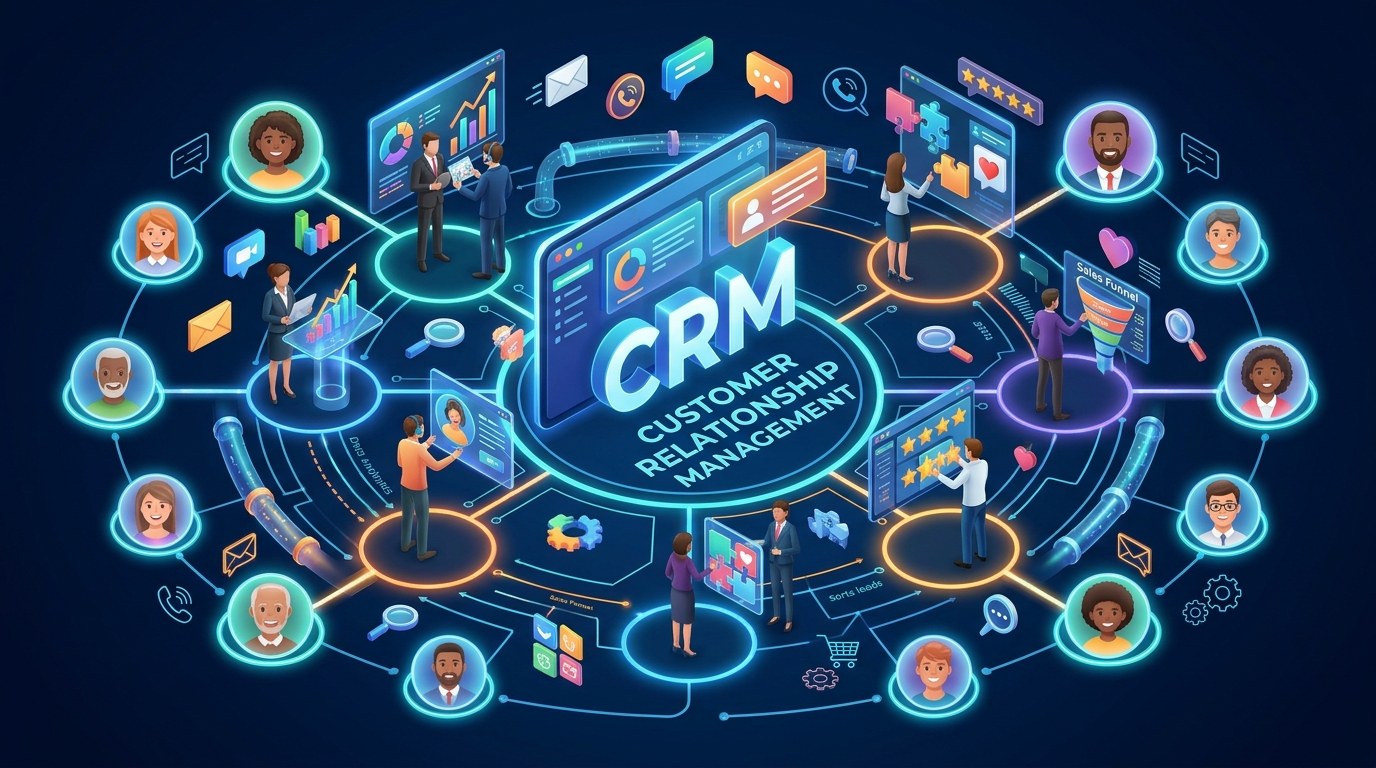 Customer relationship management, commonly known as CRM, is the process of managing interactions and relationships with current and potential customers. CRM systems help businesses organize customer information, track communication, manage sales activities, and provide more personalized experiences. A CRM platform can store important details such as contact information, purchase history, previous conversations, preferences, and support requests. Having this information in one place allows employees to understand customer needs without repeatedly asking for the same details.
CRM systems also help businesses automate routine activities, including follow-up emails, appointment reminders, sales notifications, and customer support tasks. Automation saves time and allows employees to focus on more complex customer needs. Another advantage is improved communication between departments. Marketing, sales, and customer service teams can access relevant customer information and work together to provide a consistent experience. This reduces communication gaps and helps businesses respond more effectively.
CRM data can also reveal purchasing patterns, customer preferences, and potential opportunities for additional services. Businesses can use these insights to create relevant campaigns and improve customer engagement. However, successful CRM implementation requires more than purchasing software. Organizations need clear processes, accurate information, employee training, and responsible data management. When used effectively, CRM helps businesses build stronger relationships, increase retention, and maintain long-term customer satisfaction.
Conclusion
Building strong relationships with customers requires more than offering good products or competitive prices. Businesses must understand customer expectations, listen to feedback, deliver reliable services, and continuously improve every interaction. From measuring experiences and analyzing surveys to developing loyalty programs and implementing CRM systems, every activity contributes to a better customer journey. Companies that make customer needs a priority are better positioned to build trust, encourage repeat purchases, and develop lasting relationships. By combining effective strategies, meaningful communication, and continuous improvement, organizations can create experiences that benefit both customers and the business in the long run.
FAQ
1. What is customer satisfaction?
Customer satisfaction refers to how well a company’s products, services, and overall experiences meet or exceed customer expectations. It reflects how customers feel about their interactions with a business and influences their future purchasing decisions.
2. Why is customer satisfaction important for businesses?
It is important because satisfied customers are more likely to make repeat purchases, recommend a business, and develop long-term relationships with a brand. It can also strengthen reputation, improve retention, and support sustainable business growth.
3. How can businesses measure customer satisfaction?
Businesses can measure it through Customer Satisfaction Score surveys, Net Promoter Score, Customer Effort Score, online reviews, interviews, feedback forms, and customer behavior analysis. Combining different methods provides a more complete understanding of customer experiences.
4. What are the main factors affecting customer satisfaction?
Important factors include product quality, pricing, customer service, communication, convenience, delivery reliability, website usability, and the overall purchasing experience. Meeting customer expectations consistently is essential for maintaining positive relationships.
5. What is the difference between customer satisfaction and customer loyalty?
Customer satisfaction describes how happy customers are with a particular product, service, or experience. Customer loyalty refers to their willingness to continue choosing a brand over time. Satisfaction can encourage loyalty, but loyalty also depends on trust and emotional connections.
6. How often should businesses conduct customer satisfaction surveys?
Businesses should conduct surveys at meaningful stages of the customer journey, such as after purchases or customer support interactions. The frequency depends on the business model, but surveys should not be so frequent that they become annoying.
7. How can social media improve customer satisfaction?
Social media allows businesses to communicate directly with customers, answer questions, address complaints, and understand public opinions. Monitoring social conversations also helps companies identify customer expectations and improve their products and services.
8. What role does customer service play in customer satisfaction?
Customer service helps customers resolve problems, understand products, and receive assistance throughout their purchasing journey. Helpful, responsive, and professional support builds trust and creates more positive customer experiences.
9. What are the most important customer satisfaction metrics?
The most commonly used metrics include Customer Satisfaction Score, Net Promoter Score, Customer Effort Score, customer retention rate, customer churn rate, repeat purchase rate, and complaint resolution time. Businesses should select metrics that match their goals and customer experience priorities.
10. How can CRM improve customer satisfaction?
CRM systems help businesses organize customer information, personalize communication, track previous interactions, and provide consistent support. They also help different departments collaborate more effectively, making it easier to understand and respond to customer needs.