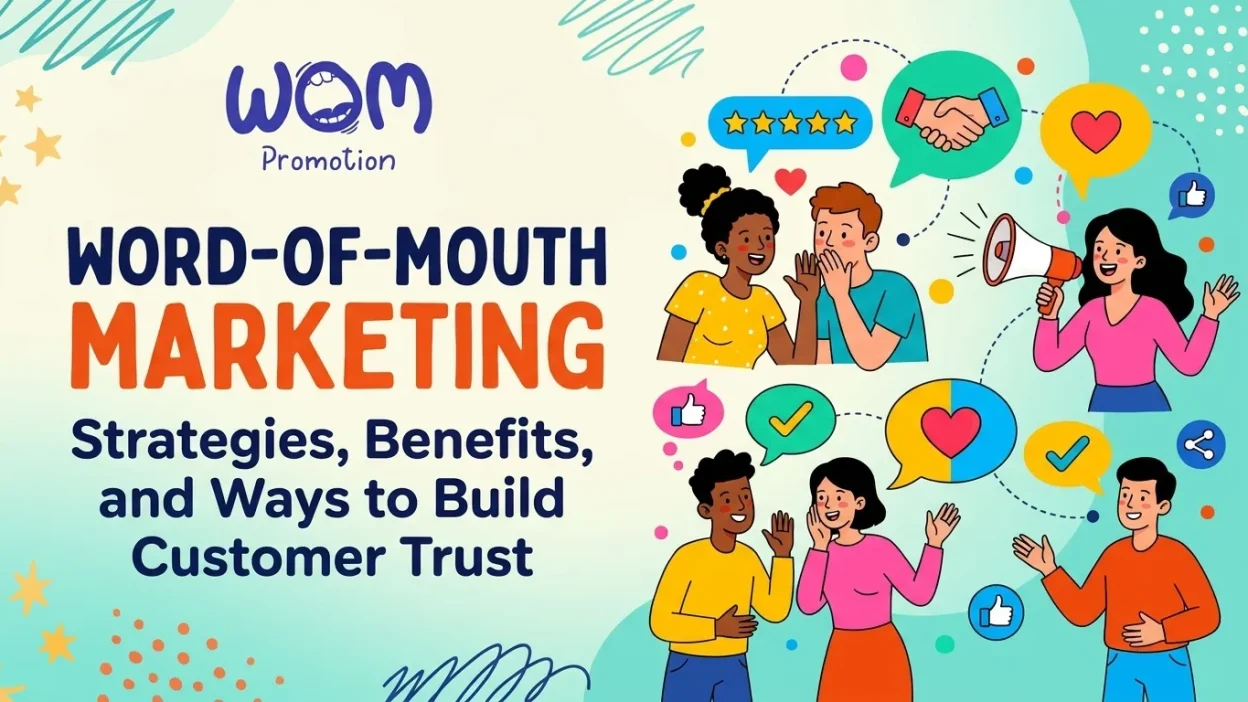
Word-of-mouth marketing is one of the most powerful ways for businesses to attract new customers and build long-term relationships. People naturally trust recommendations from friends, family members, colleagues, and other customers more than traditional advertisements. When customers share positive experiences with a brand, they help create awareness, strengthen credibility, and encourage others to make purchasing decisions. In today’s competitive digital environment, businesses need more than attractive advertisements to stand out. They must provide excellent customer experiences that encourage people to talk about their products and services. From customer referrals and online reviews to social media conversations and brand advocacy, effective strategies can turn satisfied customers into valuable brand promoters.
Word-of-Mouth Marketing Strategies
Developing successful word-of-mouth marketing strategies requires businesses to focus on customer satisfaction, brand credibility, and meaningful relationships. Instead of depending entirely on paid promotions, companies should create experiences that customers genuinely want to share with others.
One effective approach is delivering exceptional customer service. When customers receive quick responses, helpful guidance, and personalized attention, they are more likely to recommend a business. Companies can also encourage conversations by offering unique products, memorable experiences, and valuable services that differentiate them from competitors.
Social media engagement is another important part of word-of-mouth marketing. Businesses can encourage customers to share their experiences, post product photographs, participate in discussions, and tag their favorite brands. These activities help expand brand visibility and introduce businesses to new audiences. Companies should also maintain a consistent online presence. Combining customer engagement with effective digital strategies can improve visibility across different platforms. Businesses interested in strengthening their online presence can explore how web development supports SEO, PPC, and email marketing to create a more connected digital marketing experience.
Benefits of Word-of-Mouth Marketing
There are several reasons businesses invest in word-of-mouth marketing. One of the biggest advantages is increased customer trust. People often consider recommendations from individuals they know more reliable than promotional messages directly published by companies. Another major benefit is cost-effectiveness. Traditional advertising campaigns can require significant budgets for paid placements, creative production, and ongoing promotion. Customer recommendations, on the other hand, can generate awareness without requiring businesses to pay for every conversation or referral.
It can also improve customer acquisition and retention. When potential buyers hear positive experiences from existing customers, they may feel more confident about choosing a particular brand. At the same time, customers who regularly recommend a business often develop stronger emotional connections with it. Long-term brand loyalty is another valuable advantage. Businesses that consistently deliver quality experiences can build communities of satisfied customers who continue purchasing and recommending their products. To understand this relationship further, companies can read about building brand loyalty and maintaining customer relationships. Ultimately, word-of-mouth marketing helps businesses develop a positive reputation, improve customer relationships, and generate sustainable growth.
Word-of-Mouth Advertising
 Word-of-mouth advertising focuses on encouraging customers to share positive experiences about a company’s products or services. Unlike traditional advertising, which communicates messages directly from a business, this approach allows customers to become the voices behind brand promotion. Customer testimonials, online reviews, social media mentions, and personal recommendations are common examples. These forms of promotion can influence purchasing decisions because they provide real experiences rather than only highlighting a company’s promotional claims.
Businesses can encourage customers to share their experiences by making the process simple and rewarding. For example, after completing a purchase, companies can send a friendly message requesting feedback or invite customers to share photographs of their products. However, businesses should never pressure customers to provide positive feedback. Authenticity is essential. Honest recommendations, including constructive criticism, help establish credibility and demonstrate that a company values transparency. Digital platforms have made word-of-mouth advertising more influential because a single customer recommendation can reach hundreds or even thousands of people. This makes customer satisfaction an important part of every company’s advertising strategy.
Customer Referral Marketing
Customer referral marketing is a structured approach that encourages existing customers to introduce new buyers to a business. It uses established customer relationships to generate new leads and increase sales. A referral program typically provides incentives when customers recommend a brand to someone who completes a purchase or signs up for a service. Rewards may include discounts, loyalty points, store credits, exclusive offers, or special benefits.
For example, an online store might offer an existing customer a discount when their friend makes a first purchase through a unique referral link. The new customer may also receive a welcome discount, creating value for both parties. To make customer referral marketing successful, businesses should design programs that are easy to understand. Customers should know how to share referral links, what rewards they can receive, and when those rewards become available.
Companies should also monitor referral performance to understand which customers generate the most valuable leads. Tracking referral traffic, conversion rates, and customer lifetime value can help businesses improve their programs over time. When customers genuinely appreciate a brand, referrals become a natural extension of their positive experiences rather than simply a response to financial incentives.
Customer Advocacy Strategies
Customer advocacy strategies focus on turning satisfied customers into enthusiastic supporters who voluntarily recommend and promote a business. These customers can become some of the most valuable contributors to a company’s reputation. The first step toward building customer advocates is understanding what customers value. Businesses should listen to feedback, respond to concerns, and continuously improve their products and services. Customers are more likely to support companies that demonstrate genuine interest in their satisfaction.
Personalized communication can also strengthen advocacy. Sending thank-you messages, recognizing loyal customers, providing exclusive updates, and offering early access to new products can make customers feel appreciated. Another useful approach is creating opportunities for customers to share their experiences. Businesses can feature genuine testimonials, customer stories, case studies, and user-generated content on their websites and social media channels.
Customer advocacy also depends on consistency. A company cannot build lasting support through occasional promotional campaigns alone. It must maintain product quality, reliable service, and transparent communication. When customers feel respected and valued, they are more likely to become long-term supporters who recommend a brand within their personal and professional networks.
How to Generate Word-of-Mouth Marketing
Generating word-of-mouth marketing begins with providing something worth talking about. Businesses must create positive experiences that encourage customers to share their opinions naturally. Product quality is an essential starting point. Customers who receive products that meet or exceed their expectations are more likely to recommend them. Similarly, businesses offering professional services should focus on reliability, communication, and delivering measurable value.
The next step is encouraging customer feedback. Companies can request reviews after purchases, invite customers to participate in surveys, and engage with their audiences through social media. These interactions help businesses understand customer expectations while creating opportunities for positive conversations. Hosting webinars, online events, and educational sessions can also increase engagement. When businesses provide useful information, participants may share the experience with colleagues and professional communities. Companies can strengthen these efforts by following a well-planned webinar marketing strategy that supports audience engagement and brand awareness.
Video content is another effective way to encourage sharing. Product demonstrations, customer testimonials, behind-the-scenes videos, and educational content can make a brand more relatable. Businesses can measure the performance of these campaigns by exploring video marketing analytics tools and how to use data. Finally, companies should make sharing easy. Simple review links, referral buttons, social media sharing options, and accessible feedback forms can remove barriers and encourage customers to spread positive experiences.
Organic Marketing Strategies
 Organic marketing strategies help businesses attract attention and build relationships without depending entirely on paid advertising. They focus on creating valuable content, engaging with audiences, and establishing a recognizable brand presence. Search engine optimization is one of the most important organic marketing methods. Publishing informative articles, optimizing website pages, and answering relevant customer questions can help businesses attract visitors through search engines.
Social media marketing also plays an important role. Businesses can share educational posts, product updates, customer stories, and industry insights to maintain regular communication with their audiences. Content marketing provides another opportunity to build credibility. Helpful blog articles, informative videos, downloadable resources, and industry guides can demonstrate expertise while giving audiences something valuable to share.
Social listening can further improve these efforts. By monitoring conversations, comments, mentions, and customer feedback, companies can identify audience interests and respond to emerging concerns. Businesses can learn more through these social media listening best practices. Organic marketing becomes more effective when different channels support one another. For example, a helpful blog post can generate search traffic, become a social media discussion, and eventually encourage customers to recommend the brand to others.
Customer Recommendations and Reviews
Customer recommendations and online reviews have become important factors in modern purchasing decisions. Before choosing a product or service, many consumers research customer experiences to understand whether a business can meet their expectations. Positive reviews can strengthen a company’s online reputation and help potential customers feel more confident. Reviews also provide useful information about product quality, customer service, delivery experiences, and overall satisfaction.
Businesses should make requesting reviews a natural part of the customer journey. After a successful transaction, companies can send follow-up emails or messages inviting customers to share honest feedback. Responding to reviews is equally important. Thanking customers for positive comments demonstrates appreciation, while professionally addressing negative feedback shows accountability and a willingness to improve.
Companies should avoid purchasing fake reviews or manipulating customer ratings. Such practices can damage credibility and undermine customer trust. Genuine feedback is far more valuable because it reflects real experiences. By regularly collecting and responding to customer opinions, businesses can improve their services, identify recurring problems, and create stronger relationships with their audiences.
Viral Marketing Techniques
Viral marketing techniques aim to encourage people to share content, campaigns, or brand-related experiences with their networks. When content connects with an audience, it can spread rapidly across social media platforms and generate significant brand exposure. Creating engaging content is an important starting point. Entertaining videos, relatable stories, useful tips, creative challenges, and memorable campaigns often attract attention because people enjoy sharing content that interests or inspires them.
Emotional connection can also influence sharing behavior. Content that makes people laugh, feel inspired, learn something new, or recognize a familiar experience may encourage them to share it with others. Businesses can also collaborate with content creators, influencers, and industry professionals to introduce their campaigns to relevant audiences. However, partnerships should feel authentic and align with the company’s values.
Another important technique is encouraging user-generated content. Brands can create campaigns that invite customers to share their experiences, photographs, videos, or creative ideas. Although viral marketing can increase visibility quickly, businesses cannot guarantee that a particular campaign will become viral. Instead, they should focus on producing relevant, shareable content that supports their wider marketing goals.
Building Brand Trust Through Customer Referrals
 Building brand trust through customer referrals requires businesses to create reliable experiences that customers feel comfortable recommending. Trust develops when a company consistently delivers on its promises and treats customers fairly. One of the most effective ways to build this trust is maintaining transparency. Businesses should provide accurate product descriptions, communicate pricing clearly, explain policies, and avoid misleading promotional claims.
Customer referrals become more powerful when people believe that a business genuinely cares about its customers. Companies should therefore prioritize satisfaction instead of focusing only on increasing referral numbers. Providing excellent after-sales support can also strengthen trust. When customers receive assistance after making a purchase, they are more likely to feel confident about their decision and recommend the company to others.
Businesses should also maintain consistent communication across their websites, social media platforms, emails, and customer support channels. A reliable experience across different touchpoints reinforces brand credibility. Ultimately, word-of-mouth marketing becomes more sustainable when customers trust a brand enough to recommend it without hesitation. By combining quality products, transparent communication, and excellent service, businesses can transform customer satisfaction into lasting brand reputation and long-term growth.
Conclusion
Word-of-mouth marketing is a valuable way for businesses to build trust, strengthen customer relationships, and attract new audiences. By delivering excellent customer experiences, encouraging authentic recommendations, collecting honest reviews, and maintaining meaningful engagement, companies can develop a strong reputation that supports long-term success. Rather than relying only on paid advertisements, businesses should invest in creating experiences that customers genuinely appreciate and want to share. With consistent effort and customer-focused strategies, recommendations can become a powerful source of sustainable business growth.
FAQ
1. What is word-of-mouth marketing?
Word-of-mouth marketing is a promotional approach in which customers share their experiences, opinions, and recommendations about a brand with other people. It helps businesses build credibility, attract potential customers, and increase brand awareness through authentic conversations.
2. Why is word-of-mouth marketing important for businesses?
It is important because customers often trust personal recommendations more than traditional advertisements. It can help businesses increase customer confidence, generate referrals, improve brand reputation, and attract new buyers at a relatively low promotional cost.
3. What are the best word-of-mouth marketing strategies?
Some effective approaches include delivering excellent customer service, creating referral programs, encouraging honest reviews, sharing customer testimonials, engaging on social media, and developing memorable customer experiences.
4. How can small businesses generate more customer referrals?
Small businesses can encourage referrals by offering excellent products and services, requesting recommendations from satisfied customers, providing referral incentives, and making it easy to share business information with friends and family.
5. Is word-of-mouth marketing better than traditional advertising?
Both approaches have advantages. Traditional advertising helps businesses reach large audiences, while customer recommendations can provide greater personal credibility. Combining both methods can create a more effective marketing strategy.
6. How do online reviews influence purchasing decisions?
Online reviews help potential customers understand other people’s experiences with a business. Positive feedback can increase confidence, while negative feedback may highlight potential concerns that influence purchasing decisions.
7. What is the difference between referral marketing and word-of-mouth marketing?
Referral marketing usually involves a structured system that encourages existing customers to recommend a business, sometimes in exchange for rewards. Word-of-mouth marketing is broader and includes organic conversations, recommendations, reviews, and customer experiences.
8. Can social media improve word-of-mouth marketing?
Yes. Social media allows customers to share recommendations, reviews, photographs, videos, and brand experiences with larger audiences. Businesses can encourage engagement by publishing useful content and responding to customer conversations.
9. How can businesses measure the success of word-of-mouth marketing?
Businesses can measure performance through referral traffic, customer reviews, social media mentions, referral conversions, customer acquisition costs, and customer lifetime value. Monitoring these indicators helps identify which activities generate meaningful results.
10. How long does it take to see results from word-of-mouth marketing?
Results vary depending on customer satisfaction, industry competition, audience size, and marketing activities. Some businesses may receive referrals quickly, while building a strong reputation and consistent customer advocacy generally requires ongoing effort.