A referral program is one of the most effective ways for businesses to attract new customers, build trust, and increase revenue through existing customer recommendations. Instead of depending entirely on traditional advertising, companies can encourage satisfied customers to recommend their products or services to friends, family, and colleagues in exchange for valuable rewards. A well-planned referral marketing strategy can improve customer loyalty, reduce acquisition costs, and create sustainable business growth. In this guide, you will learn how referral marketing works, its benefits, successful examples, effective strategies, reward ideas, and the essential steps to create a successful referral campaign for your business.
What Is a Referral Program?
A referral program is a marketing strategy that encourages existing customers to recommend a company’s products or services to other people. Businesses usually provide rewards, discounts, cashback, or other incentives to customers who successfully bring in new customers through their recommendations. The main idea behind a referral program is simple: satisfied customers become advocates for a business by sharing their positive experiences with people they know. These recommendations can influence purchasing decisions because consumers often trust suggestions from friends, family members, and colleagues more than traditional advertisements.
For example, an online shopping company may offer a $10 discount to an existing customer whenever someone makes their first purchase using that customer’s unique referral link. The new customer may also receive a discount, creating a benefit for both parties. Referral marketing works across different industries, including e-commerce, software, financial services, education, healthcare, and professional services. Whether a company operates online or offline, it can use customer recommendations to reach potential buyers. A successful referral program should be easy to understand, simple to share, and valuable for both the person recommending the business and the new customer. When customers have a positive experience and receive meaningful rewards, they are more likely to recommend the brand again.
Benefits of Referral Marketing
Referral marketing offers several advantages for businesses looking to attract customers and strengthen their market position. One of its biggest benefits is that it uses existing customer relationships to introduce a brand to new audiences. People are generally more comfortable considering a product when someone they trust recommends it. Another important advantage is cost-effective customer acquisition. Traditional advertising campaigns often require significant spending on advertisements, promotional materials, and marketing platforms. A referral campaign allows businesses to reward customers when their recommendations generate valuable results. This can make customer acquisition more efficient, although businesses should still calculate reward costs and campaign profitability.
Customer trust is another major benefit. Recommendations from friends and family members often feel more authentic than promotional messages from companies. When potential customers hear positive feedback from someone they know, they may feel more confident about making a purchase. Referral marketing can also improve customer retention. Customers who participate in a referral program may develop a stronger relationship with a brand because they feel recognized and rewarded. This creates additional opportunities for repeat purchases and long-term engagement.
Furthermore, referral campaigns can increase brand awareness by encouraging customers to share their experiences across personal networks and social platforms. Businesses that combine referral marketing with broader digital strategies can also benefit from related marketing approaches, such as social media viral trends, to encourage wider brand engagement.
Customer Referral Program
 A customer referral program focuses specifically on encouraging existing customers to introduce a business to potential buyers. It transforms satisfied customers into brand advocates who help generate new leads and sales through personal recommendations. The foundation of a customer referral strategy is customer satisfaction. People are unlikely to recommend a business if they have experienced poor service, low-quality products, or complicated purchasing processes. Therefore, companies should first focus on delivering an excellent customer experience before asking customers to refer others.
One effective approach is to provide every participating customer with a unique referral link or code. Customers can share these links through email, messaging applications, social media, or other communication channels. When a new customer completes a qualifying purchase using the link, the original customer receives the promised reward. Businesses can also introduce double-sided rewards, where both the existing customer and the new customer receive an incentive. This approach makes recommendations more attractive because the person sharing the link can offer something valuable to their friends.
For example, a subscription-based platform might offer one month of free service to an existing customer and a discount on the first subscription for the newly referred user. A well-designed customer referral program should also include clear eligibility requirements, transparent reward conditions, and a simple process for tracking successful referrals. These elements help build trust and encourage more customers to participate.
Referral Program Examples
Looking at successful referral campaigns can help businesses understand how to design their own marketing strategies. Several well-known companies have demonstrated how customer recommendations can support business growth. Dropbox is a popular example of referral marketing. The company historically encouraged users to invite friends by offering additional storage space to both the existing user and the invited person. This approach connected the reward directly to the product’s value, making the incentive relevant to users.
Airbnb has also used referral campaigns to encourage existing users to invite friends to its platform. Its referral approach helped introduce new travelers and hosts to the service through personal recommendations and incentives. PayPal is another widely discussed example. During its early growth, the company used financial incentives to encourage users to join and invite others. This helped accelerate adoption by making participation immediately valuable.
These examples demonstrate that rewards do not always need to be cash payments. Additional product features, account credits, free services, discounts, and exclusive benefits can also encourage customers to recommend a business. The most important lesson is that rewards should match the interests of the target audience. Businesses should study their customers’ needs, purchasing habits, and motivations before choosing an incentive structure.
How Referral Programs Work
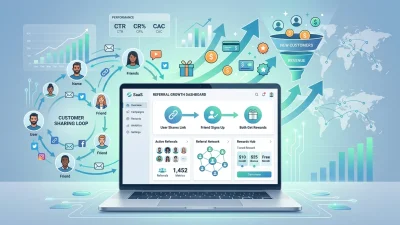
A referral marketing campaign generally follows a straightforward process. First, a business creates an offer that encourages existing customers to recommend its products or services. The company then provides participants with a unique referral link, invitation code, or sharing mechanism. Customers share their referral information with friends, family members, colleagues, or social media followers. When someone clicks the link or uses the code and completes the required action, the business records the referral.
The qualifying action depends on the company’s objectives. For example, an e-commerce company may require a completed purchase, while a software company may count a new paid subscription. A service provider might consider a completed booking or consultation as a successful referral. After verifying the qualifying action, the business distributes the promised reward according to its campaign rules. The customer can then continue recommending the company to other potential buyers.
Technology plays an important role in managing this process. Referral tracking software can help businesses generate unique links, monitor conversions, prevent fraudulent activities, and calculate reward eligibility. Companies should also review their wider digital infrastructure when implementing referral campaigns. For businesses developing online platforms, understanding how to develop a web app: the complete guide can provide useful context for building user-friendly digital experiences and integrating customer engagement features.
Best Referral Program Strategies
 Developing an effective referral marketing strategy requires more than simply offering rewards. Businesses need to understand their customers, identify the right promotional channels, and create a campaign that encourages genuine recommendations. The first strategy is to make sharing as easy as possible. Customers should not have to complete complicated forms or follow several steps to invite someone. A simple referral link, clear sharing instructions, and an accessible landing page can improve participation.
Another important strategy is to choose rewards that customers actually value. Some audiences may prefer discounts, while others may be more interested in cashback, free subscriptions, loyalty points, or exclusive services. Understanding customer preferences helps businesses create more attractive offers. Timing also matters. Asking customers for referrals immediately after a positive experience, successful purchase, or favorable interaction can increase the likelihood of participation. Customers are often more willing to recommend a company when they are satisfied with its service.
Businesses should also promote their referral campaigns through multiple communication channels. Email newsletters, website banners, account dashboards, social media posts, and post-purchase messages can help increase campaign visibility. Combining referral marketing with other promotional activities can create additional opportunities for engagement. For example, companies that organize online events can explore webinar conversion strategies to improve audience engagement and encourage participants to take meaningful actions. Finally, businesses should continuously evaluate campaign performance. Monitoring referral participation, conversion rates, customer acquisition costs, and repeat purchases helps identify which strategies are delivering the best results.
Referral Rewards and Incentives
Rewards and incentives are important elements of referral marketing because they give customers an additional reason to recommend a business. However, the best reward is not necessarily the most expensive one. It should be relevant, attractive, and financially sustainable. Cash rewards are one popular option. Businesses can offer a fixed payment or cashback when a referred customer completes a qualifying transaction. This approach is easy to understand and can work well for services where customers value direct financial benefits.
Discounts are another effective incentive. For example, an online retailer might offer existing customers 15% off their next order when a friend makes a qualifying purchase. The referred customer may also receive a first-order discount. Free products and services can be particularly valuable for subscription-based businesses. A company might provide an additional month of service, complimentary features, or an upgraded account when a customer successfully refers someone.
Loyalty points are also useful for businesses that already operate reward-based customer programs. Customers can collect points through successful referrals and redeem them for products, discounts, or exclusive benefits. Some companies also use tiered incentives. Under this model, customers receive increasingly valuable rewards as they generate more successful referrals. This can encourage continued participation among highly engaged customers. When designing incentives, businesses should consider their profit margins, average customer lifetime value, and the cost of acquiring new customers. Rewards should motivate customers without making the campaign financially unsustainable.
Successful Referral Marketing Campaigns
Successful referral marketing campaigns share several important characteristics. They offer clear benefits, create a smooth customer experience, and make it easy for people to recommend a business. One common characteristic is a compelling value proposition. Customers should immediately understand what they will receive by participating and what benefits the new customer will get. Complicated reward structures can discourage participation.
Another important factor is trust. Businesses should communicate referral conditions honestly and ensure that rewards are distributed as promised. Customers are more likely to participate again when they believe the campaign is transparent and reliable. Successful campaigns also use multiple promotional channels. A company can introduce its referral offer through email marketing, social media, website notifications, and customer account pages. Reaching customers through different channels increases the chances that they will notice the campaign.
Content marketing can support these efforts by educating audiences about a company’s products and services. For instance, businesses that use webinars to generate leads can apply ideas from webinar marketing best practices to create engaging experiences and strengthen relationships with potential customers. Video content can also help explain how a referral campaign works. A short demonstration can show customers how to find their referral link, invite friends, and receive rewards. Businesses interested in improving their video strategy can learn from video marketing ROI: how to improve your video marketing. Ultimately, successful campaigns are built around customer value. When customers genuinely enjoy a company’s products or services, they have a stronger reason to recommend them to others.
Customer Acquisition Through Referrals
Customer acquisition through referrals is the process of attracting new customers through recommendations from existing customers, partners, or other trusted individuals. It can be an effective growth channel because it introduces businesses to audiences that may already have some level of trust in the person making the recommendation. Unlike many traditional advertising methods, referral-based acquisition begins with an existing relationship. A potential customer may be more willing to explore a product after hearing about it from a friend, colleague, or family member.
This approach can also help businesses reach audiences that are difficult to target through conventional marketing channels. Every satisfied customer has a personal network that may contain potential buyers with similar interests or needs. Another advantage is the opportunity to improve customer quality. Referred customers may have a clearer understanding of what a business offers before making a purchase because they received information from someone familiar with the product.
However, businesses should not assume that every referral automatically becomes a valuable customer. They should monitor the quality of referred leads, conversion rates, repeat purchases, and customer lifetime value. A well-managed referral program can support long-term acquisition by creating a continuous cycle in which satisfied customers introduce new buyers, and those new buyers eventually become advocates themselves. To make this process successful, companies should focus on customer satisfaction, attractive incentives, reliable tracking, and consistent communication.
How to Create a Referral Program
 Creating a successful referral campaign starts with defining a clear business objective. A company should determine whether it wants to increase sales, generate leads, attract new subscribers, improve brand awareness, or strengthen customer loyalty. A specific objective makes it easier to measure results. The next step is identifying the target audience. Businesses should understand which customers are most likely to recommend their products or services and what type of rewards would motivate them. Existing loyal customers and people who regularly engage with the brand can be a useful starting point.
After identifying the audience, companies should design a simple reward structure. They need to decide whether rewards will be offered to the referring customer, the new customer, or both. The reward should be attractive enough to encourage participation while remaining affordable for the business. The company should then choose an appropriate referral tracking system. Depending on the business model, this could be a dedicated referral marketing platform, a customer relationship management system, or custom software. The system should track referral links, qualifying actions, conversions, and reward distribution.
Clear campaign rules are equally important. Businesses should explain who can participate, which actions qualify for rewards, when incentives will be issued, and whether there are any limitations. Transparent conditions help prevent misunderstandings and build customer confidence. Once everything is ready, the company can launch the campaign through its website, email newsletters, social media channels, and customer communication platforms. Promotional messages should explain the benefits and provide straightforward instructions for joining.
After launching, businesses should regularly monitor performance. Important metrics include the number of participants, referral shares, successful conversions, reward expenses, and revenue generated through referrals. These measurements help determine whether the campaign is meeting its objectives. Testing different incentives, promotional messages, and sharing methods can also improve results over time. Businesses should listen to customer feedback and make adjustments whenever participants encounter difficulties. A successful referral program is not a one-time marketing activity. It requires ongoing management, consistent customer satisfaction, and regular optimization. When businesses create a campaign that genuinely benefits both existing and new customers, referrals can become a reliable part of their long-term marketing strategy.
Conclusion
Referral marketing is a valuable way for businesses to build customer relationships, attract new audiences, and generate sustainable growth. By encouraging satisfied customers to share their experiences, companies can turn personal recommendations into meaningful business opportunities. The key to success is creating a simple, transparent, and rewarding experience. Businesses should choose incentives that customers appreciate, use reliable tracking systems, promote their campaigns through relevant channels, and continuously measure performance. Whether you run a small business, an e-commerce store, or a growing technology company, a well-designed referral strategy can become an important part of your marketing efforts. Focus on delivering value, building customer trust, and making recommendations easy, and your referral marketing efforts can contribute to long-term business success.
FAQ
1. What is a referral program in marketing?
A referral program is a marketing strategy that encourages existing customers to recommend a business to other people. Companies usually provide incentives such as discounts, cashback, loyalty points, or free products when successful referrals generate qualifying actions.
2. How does a referral program benefit a business?
It helps businesses attract new customers, increase brand awareness, improve customer loyalty, and potentially reduce acquisition costs. It also uses existing customer relationships to generate new business opportunities.
3. Are referral programs effective for small businesses?
Yes. Small businesses can use customer recommendations to reach new audiences without depending entirely on expensive advertising campaigns. Even simple offers, such as discounts or loyalty rewards, can encourage satisfied customers to recommend a business.
4. What are the best rewards for customer referrals?
Popular referral rewards include cash, discounts, cashback, gift cards, free subscriptions, loyalty points, and exclusive benefits. The best option depends on customer preferences and the company’s business model.
5. How do I encourage customers to refer friends?
Provide excellent products and services, create attractive incentives, make sharing easy, and promote your campaign through email, social media, and your website. Asking customers after a positive experience can also improve participation.
6. What is a double-sided referral program?
A double-sided referral program rewards both the existing customer who makes the recommendation and the new customer who joins through that recommendation. This approach creates value for both participants and can encourage more people to take part.
7. How can I track referral marketing results?
Businesses can use referral tracking software, unique referral links, promotional codes, and customer relationship management systems. Important performance metrics include referral participation, conversion rates, acquisition costs, and revenue generated.
8. Are referral programs suitable for online businesses?
Yes. E-commerce stores, software companies, subscription platforms, and online service providers can all use referral campaigns. Digital referral links and automated tracking make it easier to manage participation and reward distribution.
9. How much should a business spend on referral rewards?
There is no universal amount. Businesses should consider their profit margins, average order value, customer lifetime value, and acquisition costs when determining reward budgets. The incentive should be attractive while keeping the campaign profitable.
10. How long does it take to see results from a referral program?
Results depend on customer engagement, brand awareness, reward attractiveness, and the quality of the campaign. Some businesses may receive referrals shortly after launch, while others need time to build participation and optimize their strategy. Regular monitoring and improvements can support better long-term results.