

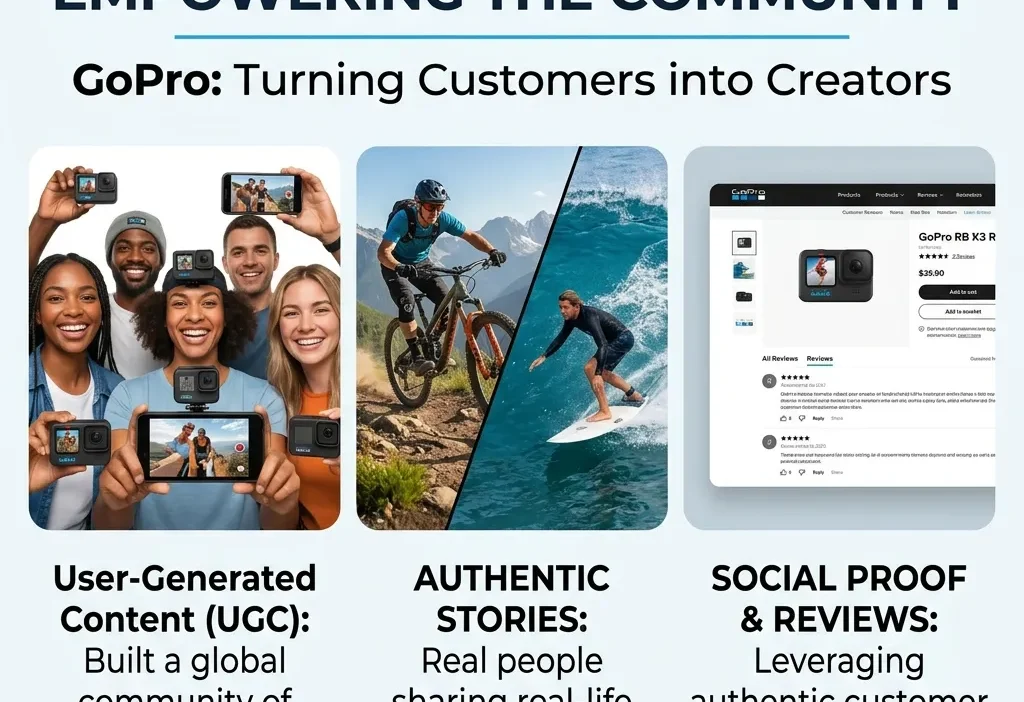
Customer advocacy examples show how businesses turn satisfied customers into active brand supporters through reviews, referrals, testimonials, user-generated content, communities, and loyalty programs. Learn how these strategies work and how to build a customer advocacy program that drives trust, word-of-mouth, and sustainable growth.
What Is Customer Advocacy?
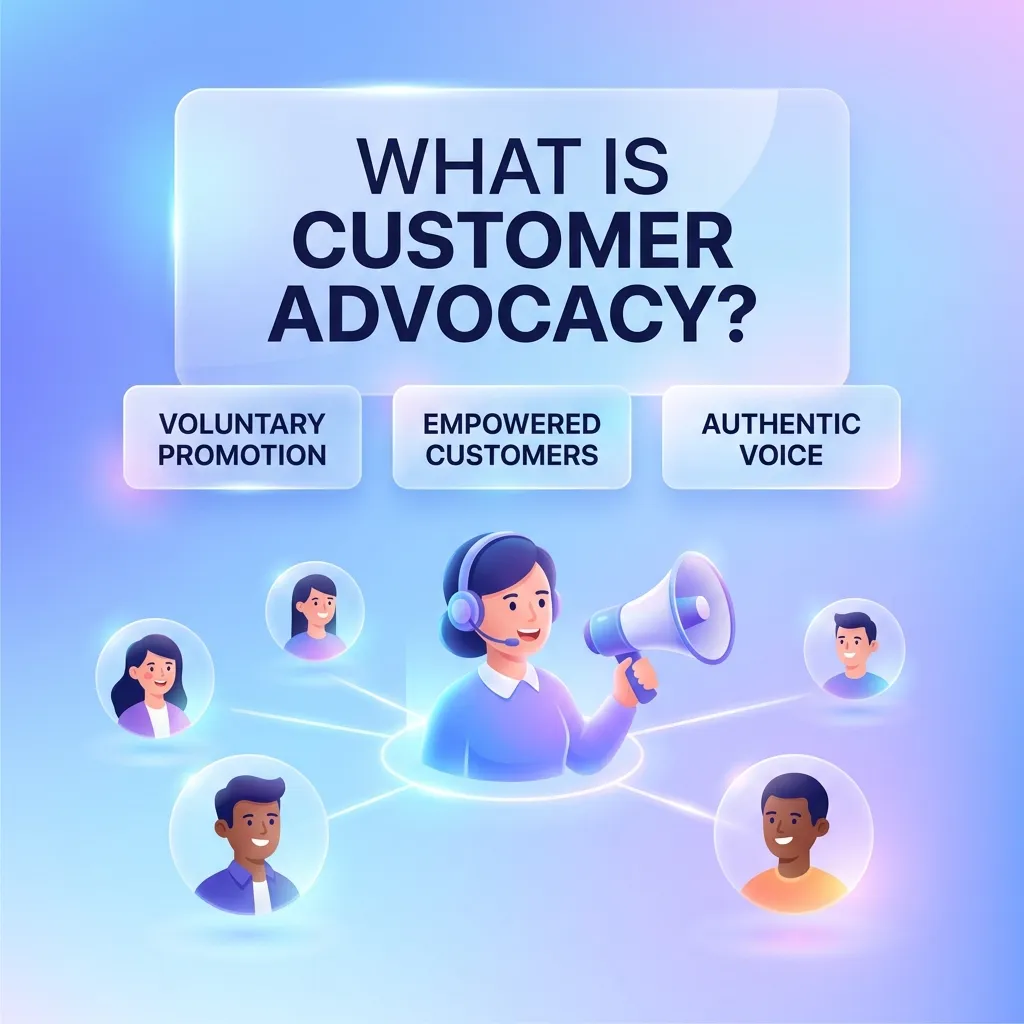
Definition of Customer Advocacy
Customer advocacy is the process of encouraging and enabling satisfied customers to actively support, recommend, and promote a brand based on their genuine experiences.
Unlike traditional advertising, customer advocacy puts real customers at the center of the marketing message. An advocate may recommend a product to a friend, publish a review, share a social media post, participate in a case study, or help another customer inside a community.
Customer advocacy can happen naturally, but businesses can also create structured programs that make it easier for satisfied customers to participate.
For a broader understanding of this concept, explore Customer Advocacy Program: A Complete Guide.
How Customer Advocacy Works
Customer advocacy usually begins with a positive customer experience.
A simple customer advocacy journey looks like this:
Great Experience → Satisfaction → Trust → Engagement → Advocacy → Word-of-Mouth → New Customers
For example, a customer purchases a product and receives excellent service. They become satisfied, trust the brand, and eventually recommend it to someone else.
The business can support this journey by giving customers opportunities to:
- Leave reviews
- Refer friends
- Share content
- Join communities
- Give testimonials
- Participate in case studies
- Provide feedback
- Become ambassadors
Customer Advocacy vs Customer Loyalty
Customer loyalty and customer advocacy are related, but they are not the same.
A loyal customer may repeatedly purchase from a business without actively recommending it to others. An advocate goes further by publicly or privately supporting the brand.
| Customer Loyalty | Customer Advocacy |
|---|---|
| Focuses on retention | Focuses on customer-led promotion |
| Repeat purchases are important | Recommendations are important |
| Can remain private | Often becomes visible |
| Customer prefers the brand | Customer actively supports the brand |
Loyalty can therefore become a foundation for advocacy, but not every loyal customer automatically becomes an advocate.
Customer Advocacy vs Referral Marketing
Referral marketing is one form of customer advocacy.
Referral programs usually encourage existing customers to introduce new potential customers to a business. Customer advocacy is broader and can include reviews, testimonials, social media content, community participation, feedback, and referrals.
So, the relationship can be summarized as:
Referral Marketing = One Advocacy Strategy
Customer Advocacy = Broader Customer-Led Promotion
Why Customer Advocacy Matters
Builds Customer Trust
People often want evidence from other customers before making a purchasing decision.
Customer reviews, testimonials, case studies, and recommendations can provide social validation that traditional advertising cannot easily replicate.
When prospective buyers see real experiences from existing customers, they may feel more confident about choosing the product or service.
Generates Word-of-Mouth
Word-of-mouth can introduce your brand to people who may not have encountered it through paid advertising or search.
An advocate might tell a colleague about a software product, recommend a local business to a friend, or share a favorite product on social media.
These personal recommendations can expand your reach through existing customer relationships.
Improves Customer Retention
Customers who participate in communities, referral programs, ambassador initiatives, and feedback programs can become more deeply connected to a brand.
Advocacy therefore isn’t only about acquiring new customers. It can also strengthen relationships with existing customers.
Supports Customer Acquisition
Advocates can contribute directly to customer acquisition through:
- Referrals
- Reviews
- Testimonials
- Social recommendations
- User-generated content
- Case studies
This creates a customer-led acquisition loop where existing customers help introduce new prospects to the brand.
Customer Advocacy Examples
Customer Review Programs
Customer reviews are among the simplest and most accessible forms of advocacy.
After a customer purchases a product or uses a service, the business can ask them to share their experience.
Reviews can appear on:
- Product pages
- Business profiles
- Review platforms
- Social media
- Community pages
- Industry websites
The most useful reviews are specific. Instead of simply saying a product is “great,” customers can explain what problem it solved and why they would recommend it.
Key lesson: Make the review process simple and ask at an appropriate point in the customer journey.
Referral Programs
Referral programs encourage existing customers to introduce new customers to a business.
A simple referral model looks like:
Existing Customer → Referral → New Customer → Reward
Rewards can include:
- Discounts
- Account credits
- Loyalty points
- Free products
- Service upgrades
- Exclusive access
For businesses looking to develop this strategy further, The Complete Guide to Referral Management Systems provides a useful related resource.
Key lesson: Keep the referral process easy to understand and easy to share.
User-Generated Content
User-generated content, or UGC, is another powerful customer advocacy example.
Customers can create:
- Product photos
- Product reviews
- Social media videos
- Tutorials
- Unboxing videos
- Before-and-after content
- Customer stories
UGC can provide authentic marketing material while allowing customers to participate in the brand story.
Key lesson: Give customers a reason and an easy format for sharing their experiences without making the content feel overly promotional.
Customer Testimonials
Testimonials allow satisfied customers to explain why they chose a product and what they experienced.
A strong testimonial can answer:
- What problem did the customer have?
- Why did they choose the company?
- What experience did they have?
- What changed after using the product?
- Would they recommend it?
Specific testimonials are generally more useful than generic praise because they provide context for prospective buyers.
More Customer Advocacy Examples
Customer Case Studies
Case studies turn individual customer experiences into detailed success stories.
A typical case study follows this structure:
Challenge → Solution → Implementation → Results
For B2B companies, case studies can be particularly useful because prospects often want evidence that a product or service can solve problems similar to theirs.
Businesses can include measurable results when customers are comfortable sharing them.
Key lesson: Focus on the customer’s journey and results rather than turning the case study into a product brochure.
Brand Communities
Customer communities give existing customers a place to interact with one another and with the brand.
Communities can exist through:
- Online forums
- Private groups
- Social communities
- Membership platforms
- Events
- Brand-owned community websites
Active customers may answer questions, share advice, welcome new members, and recommend products.
A strong community can therefore become a natural environment for customer advocacy. Related community-building strategies can be explored through How to Build an Online Community for Your Business.
Key lesson: Build the community around customer value rather than constant promotion.
Community Ambassador Programs
A community ambassador program identifies highly engaged customers and gives them opportunities to represent or support the brand.
Ambassadors may:
- Welcome new customers
- Answer questions
- Host discussions
- Organize events
- Share product experiences
- Provide feedback
- Encourage community participation
Ambassadors do not necessarily need huge audiences. A trusted customer with strong relationships inside a niche community can be extremely valuable.
Key lesson: Choose ambassadors based on genuine engagement and trust, not just follower numbers.
Customer Education Programs
Education can also create customer advocates.
Businesses can offer:
- Tutorials
- Webinars
- Courses
- Workshops
- Product training
- Guides
- Knowledge bases
When customers learn how to get better results from a product, they can become more confident users and more likely to recommend it.
Key lesson: Help customers succeed before asking them to promote the brand.
Creative Customer Advocacy Strategies
Exclusive Customer Events
Exclusive events can make loyal customers feel recognized and valued.
Examples include:
- Product launches
- Customer meetups
- Private workshops
- VIP experiences
- Networking events
- Online sessions
- Early-access demonstrations
These experiences can create memorable moments that customers naturally want to share.
The event doesn’t always need to be expensive. Access, recognition, and belonging can be powerful incentives.
Customer Feedback and Co-Creation
Customers can become stronger advocates when they feel that their opinions influence the product.
Businesses can invite customers to:
- Vote on new features
- Test beta products
- Submit ideas
- Participate in research
- Review prototypes
- Join customer advisory groups
When customer suggestions actually influence product decisions, participants can develop a stronger sense of ownership.
Key lesson: Don’t collect feedback simply to check a box. Show customers how their feedback influenced the business.
Customer Appreciation Campaigns
Customer appreciation campaigns focus on recognizing customers rather than selling to them.
Examples include:
- Personalized thank-you messages
- Anniversary recognition
- Surprise rewards
- Customer spotlights
- Exclusive content
- Special access
- Loyalty recognition
A thoughtful appreciation campaign can strengthen emotional connections between customers and the brand.
Customer Storytelling
Customer storytelling turns real experiences into memorable narratives.
A customer story might follow:
Before → Challenge → Discovery → Experience → Result
The customer becomes the central character while the brand acts as the solution or partner.
This approach can make advocacy content more relatable because prospects can see themselves in the customer’s situation.
Customer Advocacy Examples by Industry
SaaS and B2B Companies
B2B and SaaS companies can use:
- Customer case studies
- Product reviews
- Referral programs
- Customer advisory groups
- Testimonials
- Community advocacy
- Customer success stories
Because B2B purchases can involve significant research and multiple decision-makers, customer evidence can be especially useful.
E-commerce and Retail
E-commerce brands can use:
- Product reviews
- UGC
- Referral programs
- Social media advocacy
- Loyalty programs
- Unboxing content
- Customer photos
Visual customer content can help prospective buyers understand how products look and work in real situations.
Hospitality and Local Businesses
Hotels, restaurants, salons, fitness centers, and other local businesses can benefit from:
- Online reviews
- Customer referrals
- Social media recommendations
- Loyalty programs
- Customer stories
- Local community engagement
For local businesses, a recommendation from an existing customer can introduce the brand to people within the same geographic or social network.
Education and Professional Services
Educational institutions and professional service businesses can use:
- Alumni stories
- Student testimonials
- Customer case studies
- Referrals
- Expert communities
- Success stories
The strongest examples focus on the customer’s transformation and outcomes.
How to Create a Customer Advocacy Strategy
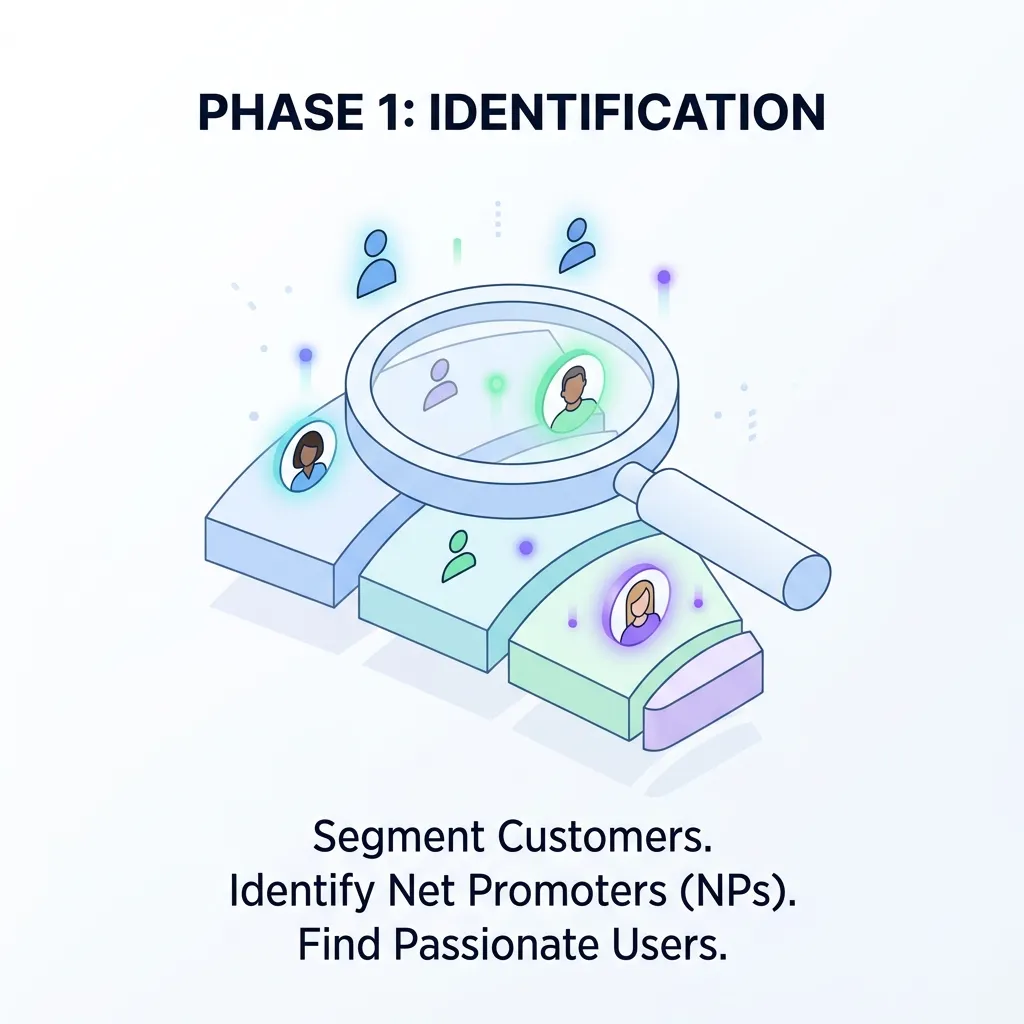
Identify Your Best Customers
Start by finding customers who already demonstrate signs of advocacy potential.
Look for customers with:
- High satisfaction
- Repeat purchases
- Positive reviews
- Referrals
- Strong engagement
- Community participation
- Frequent product usage
These customers are more likely to participate in advocacy initiatives.
Choose the Right Advocacy Type
You don’t need to launch every advocacy tactic at once.
Choose strategies that match your customers.
For example:
| Business Type | Suitable Advocacy Strategy |
|---|---|
| SaaS | Testimonials + Referrals |
| E-commerce | Reviews + UGC |
| Local Business | Reviews + Referrals |
| B2B Services | Case Studies + Testimonials |
| Community-Based Brand | Ambassadors + Community |
| Subscription Business | Reviews + Referral Program |
Start with one or two approaches and expand after understanding what works.
Create a Simple Participation Process
Make advocacy easy.
For example:
Email → Review Form → Submit → Thank You
Or:
Referral Link → Friend Signs Up → Reward
Complicated forms, excessive approval steps, and unclear instructions can reduce participation.
Measure Advocacy Performance
Track the impact of your advocacy efforts.
Useful metrics include:
- Number of active advocates
- Referral conversions
- Referral revenue
- Review volume
- UGC submissions
- Testimonial participation
- Advocacy engagement
- Customer retention
- Customer lifetime value
For additional measurement ideas, see How to Measure Brand Advocacy: Metrics, KPIs & Tools.
Common Customer Advocacy Mistakes
Asking Customers Too Early
Don’t immediately ask a new customer for a testimonial or referral.
Give them enough time to experience the product and understand its value.
The best advocacy often comes after a meaningful positive experience.
Making Advocacy Complicated
If customers need to complete multiple forms or navigate confusing instructions, participation will decline.
Keep the process simple.
Overusing Incentives
Rewards can encourage participation, but excessive incentives may make advocacy feel transactional.
Customers should still have a genuine reason to support the brand.
Ignoring Customer Feedback
A customer advocacy program should not only collect positive feedback.
Negative feedback can reveal:
- Product problems
- Service issues
- Customer experience gaps
- Confusing processes
- Unmet expectations
Use that information to improve the experience that creates future advocates.
How to Turn Customers Into Brand Advocates
Create Exceptional Customer Experiences
Advocacy starts with the customer experience.
Focus on:
- Product quality
- Reliable service
- Helpful support
- Clear communication
- Easy onboarding
- Fast problem resolution
A referral reward cannot compensate for a consistently poor experience.
Build Strong Customer Relationships
Treat customers as relationships rather than transactions.
Personalization, useful communication, community participation, and customer appreciation can strengthen those relationships over time.
Recognize and Reward Advocates
Recognition can take many forms.
You can offer:
- Exclusive access
- Loyalty points
- Special events
- Public recognition
- Early product access
- Community status
- Discounts
- Personalized rewards
Choose rewards that fit your audience.
Make Advocacy Easy
Give customers convenient ways to participate.
For example:
- One-click referral links
- Simple review forms
- Social sharing buttons
- Easy testimonial submission
- Community invitations
- Clear UGC instructions
The easier the process, the less friction customers experience.
How to Measure Customer Advocacy
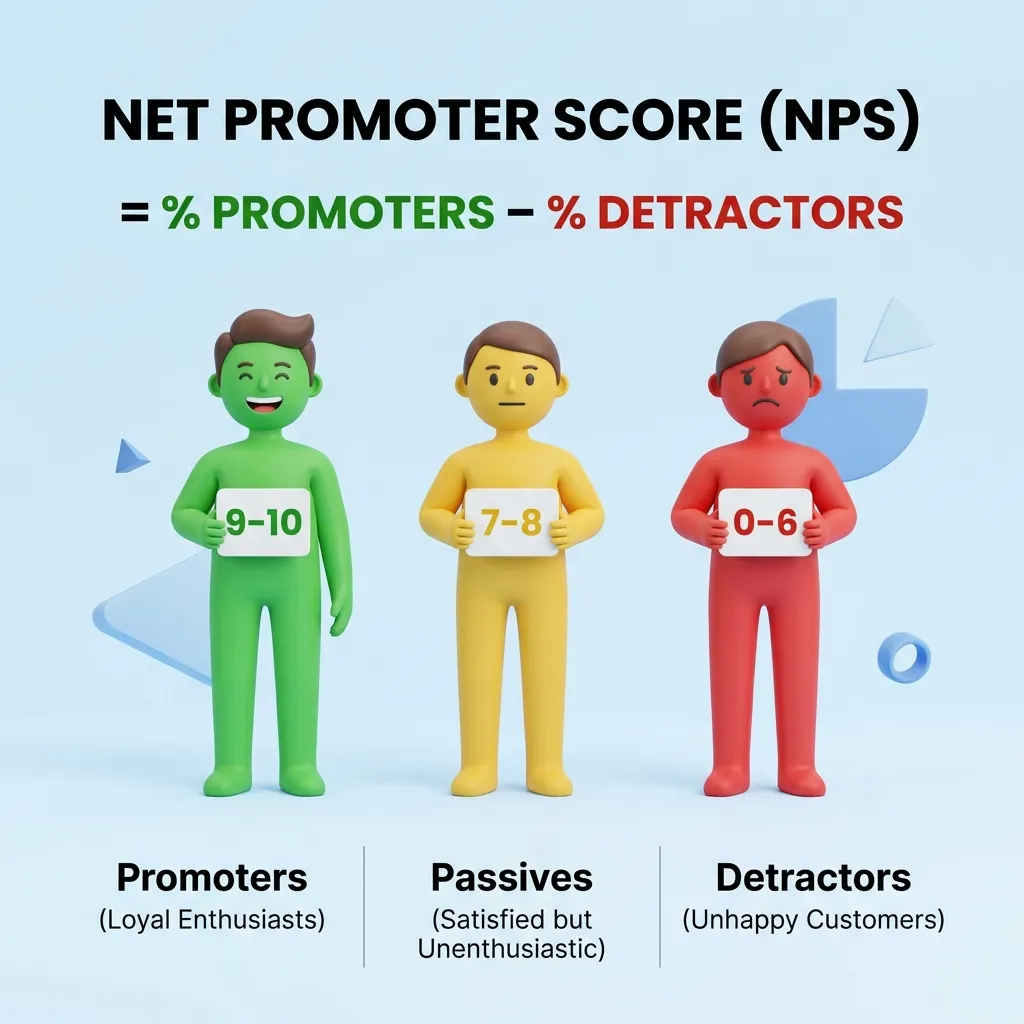
Referral Conversion Rate
Referral conversion rate measures how many referred prospects become customers.
A basic formula is:
Referral Conversion Rate = Referred Customers ÷ Referred Prospects × 100
This helps determine whether your referral activity is producing actual customers.
Customer Advocacy Engagement
Track how many customers participate in advocacy activities.
This can include:
- Reviews submitted
- Referrals generated
- UGC created
- Testimonials provided
- Community contributions
- Events attended
Higher participation can indicate stronger engagement with your advocacy program.
Advocacy-Generated Revenue
Revenue is one of the most important business metrics.
Track revenue generated through:
- Referral links
- Advocate codes
- Customer-led campaigns
- Referral landing pages
- Advocacy-driven conversions
This helps connect advocacy activity with business outcomes.
Customer Retention and Lifetime Value
Advocacy should also be evaluated alongside retention and customer lifetime value.
If advocates remain customers longer and generate additional referrals, their overall value may be significantly higher than that of a typical customer.
Conclusion
These customer advocacy examples demonstrate that businesses can turn satisfied customers into powerful sources of trust, word-of-mouth, content, referrals, and long-term growth.
The most effective advocacy strategies begin with a strong customer experience. Reviews, referrals, testimonials, UGC, communities, ambassadors, customer stories, and loyalty initiatives work best when customers have a genuine reason to support the brand.
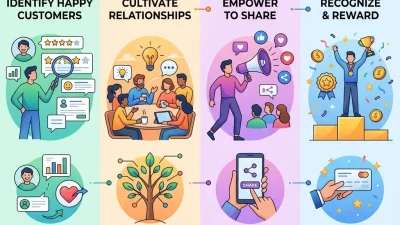
Start by identifying your happiest customers, choose an advocacy strategy that fits your business, make participation simple, and recognize customers who contribute.
Customer advocacy should not be treated as a one-time marketing campaign. When it becomes part of the overall customer experience, it can create a sustainable cycle:
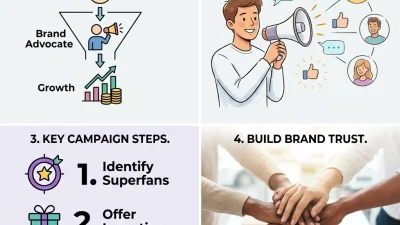
Happy Customers → Brand Advocates → Recommendations → New Customers → Business Growth
Frequently Asked Questions About Customer Advocacy Examples
What are customer advocacy examples?
Customer advocacy examples include customer reviews, referrals, testimonials, user-generated content, case studies, brand communities, ambassador programs, customer events, and customer stories.
What is the best example of customer advocacy?
There is no single best example. The right strategy depends on the business, audience, product, and customer journey. Reviews, referrals, UGC, testimonials, and communities are all widely applicable approaches.
How does customer advocacy help a business?
Customer advocacy can increase trust, generate word-of-mouth, support customer acquisition, strengthen customer relationships, and create authentic marketing content.
Are customer reviews a form of customer advocacy?
Yes. Genuine customer reviews are one of the most common forms of customer advocacy because customers publicly share their experiences with other potential buyers.
Are referral programs customer advocacy?
Yes. Referral marketing is a specific type of customer advocacy in which existing customers recommend a business to potential customers.
What is a customer advocate?
A customer advocate is a customer who actively supports, recommends, reviews, refers, or promotes a brand based on their experience.
How do I find customer advocates?
Look for customers who demonstrate high satisfaction, repeat purchases, positive reviews, referrals, strong engagement, or active participation in your community.
Should customer advocates receive rewards?
They can, but rewards are not mandatory. Recognition, exclusive access, community status, early access, and appreciation can also motivate customers.
How do I measure customer advocacy?
Measure referral conversions, advocacy-generated revenue, review activity, UGC submissions, advocate participation, customer retention, and customer lifetime value.
Can small businesses use customer advocacy?
Yes. Small businesses can begin with simple strategies such as requesting reviews, encouraging referrals, featuring customer stories, and building relationships within their local communities.
What is the difference between advocacy and loyalty?
Loyalty describes a customer’s continued preference or relationship with a brand. Advocacy happens when customers actively support, recommend, or promote that brand to others.
How can I start a customer advocacy program?
Start by identifying satisfied customers, selecting one advocacy activity, creating a simple participation process, providing appropriate recognition, and measuring the resulting business impact.
[…] More examples can be found in this guide to customer advocacy examples. […]
[…] explore specific tactics further, see our customer advocacy examples for inspiration, or review how to measure brand advocacy program success to benchmark your current […]