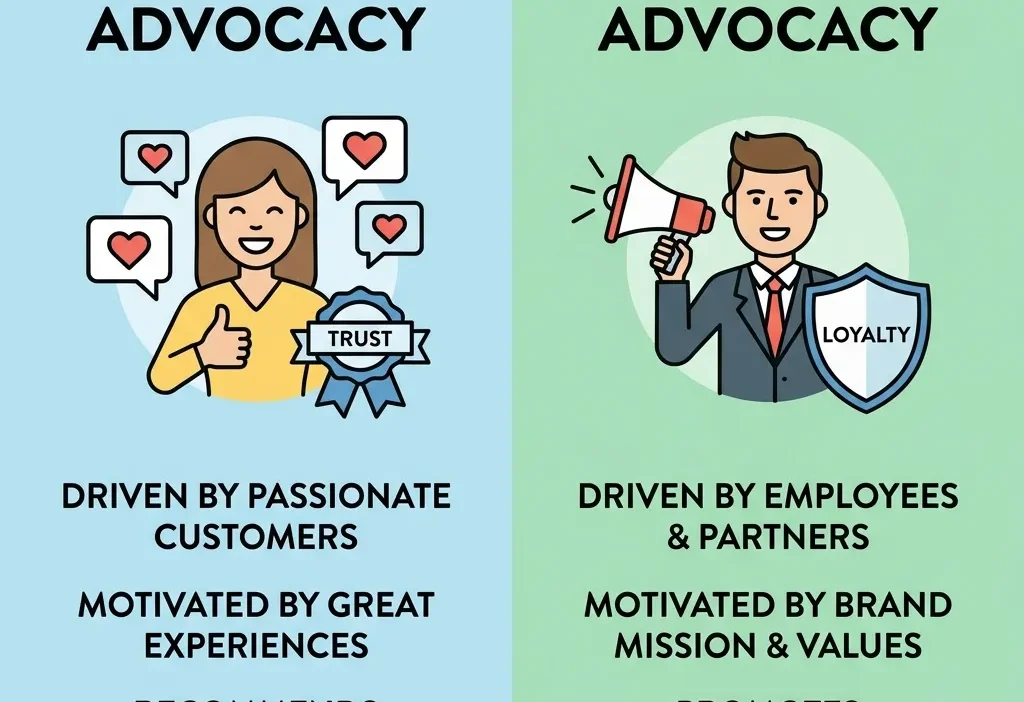
Customer advocacy vs brand advocacy are often used interchangeably, but they describe two distinct — though related — approaches to turning satisfied people into a growth engine. Customer advocacy focuses on individual customers who actively promote a product based on their personal experience, while brand advocacy takes a broader view, including employees, partners, and community members who champion a company’s mission and identity beyond just product satisfaction. This guide breaks down exactly how the two differ, where they overlap, and how to build a strategy that uses both effectively.
Ask five marketers to define “advocacy,” and you’ll likely get five slightly different answers — some focused narrowly on customer referrals, others describing a much broader brand-loyalty movement. The confusion is understandable, since customer advocacy and brand advocacy share the same underlying goal: turning genuine enthusiasm into measurable growth. But treating them as identical strategies means missing the specific tactics that make each one effective.
This guide clarifies exactly where customer advocacy and brand advocacy differ, building on the foundational concepts covered in this complete guide to customer advocates and this ultimate brand advocacy strategy guide, and shows how the two approaches can work together within a single, cohesive program.
What Is Customer Advocacy?
Customer advocacy refers to customers who actively promote a product or service based on their direct experience using it — leaving reviews, referring friends, participating in case studies, or speaking positively about the brand in their own networks. It’s rooted specifically in product satisfaction and the results a customer has personally achieved.
Customer advocacy programs are typically built around identifying your most satisfied customers, nurturing that relationship, and giving them structured, low-friction ways to share their experience. This guide to building a customer advocacy program covers the practical steps involved, from identification through activation.
What Is Brand Advocacy?
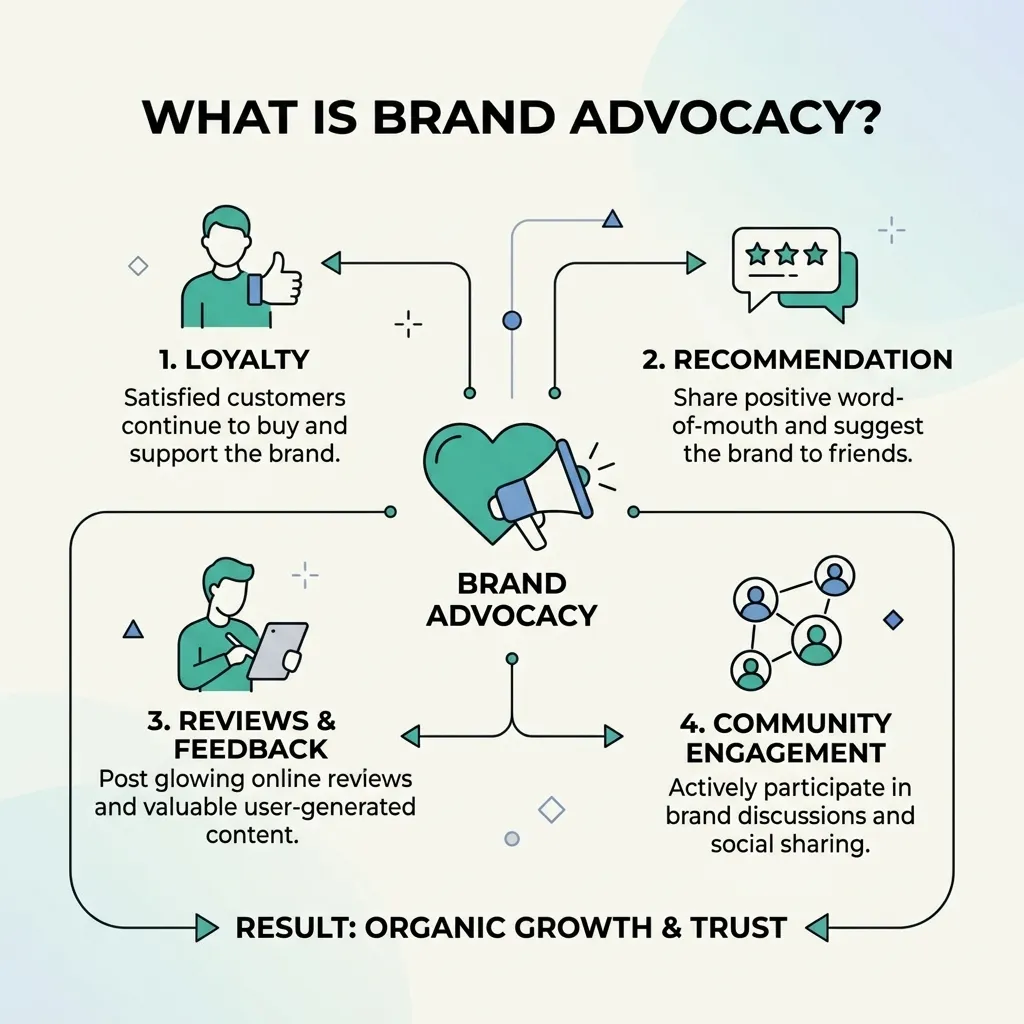
Brand advocacy is a broader concept that extends beyond individual product satisfaction to encompass anyone who champions a company’s mission, values, and identity — including employees, industry partners, and community members, not just paying customers. A brand advocate might promote a company because they admire its culture, agree with its values, or feel a personal connection to what it represents, independent of whether they’ve directly used the product.
This guide to what brand advocates actually are explains how brand advocacy often includes employee advocacy as a core component, since employees who genuinely believe in a company’s mission can be some of its most credible and consistent promoters.
Key Differences Between Customer Advocacy and Brand Advocacy
| Dimension | Customer Advocacy | Brand Advocacy |
|---|---|---|
| Who’s involved | Customers who’ve used the product | Customers, employees, partners, and community members |
| Motivation | Personal satisfaction with results | Alignment with mission, values, or culture |
| Primary activities | Reviews, referrals, case studies, testimonials | Social sharing, employer branding, community building |
| Measurement focus | Referral volume, NPS, case study participation | Reach, sentiment, employee engagement, brand mentions |
| Best suited for | Driving direct referrals and sales-adjacent proof | Building long-term brand equity and awareness |
Understanding this distinction matters because the tactics that activate a satisfied customer differ meaningfully from the tactics that activate an employee or community member who has never directly used the product but still believes in what the company stands for.
Where the Two Overlap
In practice, customer advocacy and brand advocacy rarely operate in complete isolation. A highly satisfied customer often becomes both a product advocate and a broader brand advocate over time, sharing not just their specific results but also positive sentiment about the company as a whole. This guide to building powerful advocacy campaigns shows how the strongest programs often blend both approaches — using customer advocacy tactics to generate specific proof points, and brand advocacy tactics to amplify that proof across a wider audience.
Building a Customer Advocacy Strategy
Step 1: Identify Your Most Satisfied Customers
Use NPS scores, renewal rates, and support interaction history to identify customers who are genuinely enthusiastic about your product, rather than assuming satisfaction based on activity alone.
Step 2: Make Advocacy Easy and Low-Friction
Provide simple, structured ways for customers to leave reviews, participate in case studies, or refer others — the easier the ask, the higher the participation rate. This customer advocacy strategy guide covers specific tactics for reducing friction at each stage of the advocacy journey.
Step 3: Recognize and Reward Genuine Contributions
Public recognition, exclusive access, or meaningful rewards can reinforce advocacy behavior, though the strongest programs avoid making rewards feel transactional or the sole reason for participation.
Step 4: Showcase Real Customer Stories
Detailed case studies and testimonial content build credibility with prospective customers evaluating similar use cases. This resource on customer stories and testimonials explains how to structure this content for maximum impact.
Building a Brand Advocacy Strategy
Step 1: Start With Employee Advocacy
Employees who genuinely believe in the company’s mission are often the most credible and consistent advocates available, since their endorsement doesn’t carry the same skepticism a paid ad might. This guide to building a brand advocacy program that drives growth covers how to activate internal advocacy alongside external efforts.
Step 2: Build and Nurture Community
Community marketing — whether through online forums, events, or social groups — creates a space where brand advocates naturally form and reinforce shared enthusiasm. This community marketing guide covers how to build the kind of loyal community that fuels organic brand advocacy over time.
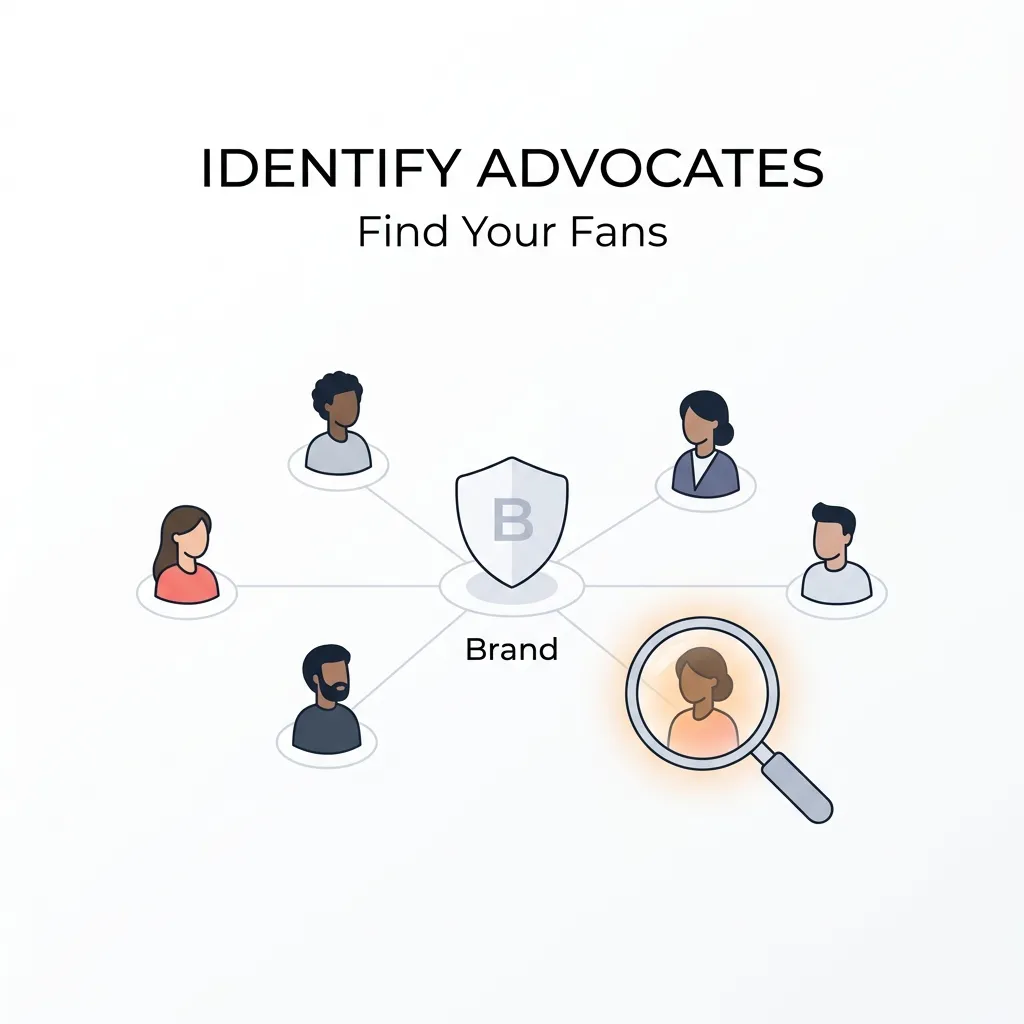
Step 3: Identify Advocates Beyond Your Customer Base
Brand advocacy extends to partners, industry influencers, and community members who may never have purchased directly but still champion what the company represents. This guide to finding brand advocates also covers how to identify advocacy potential even among people who aren’t yet customers.
Step 4: Measure Brand Sentiment, Not Just Referrals
Brand advocacy’s impact often shows up in broader metrics like social sentiment, share of voice, and unprompted brand mentions rather than direct referral counts alone. This guide to measuring brand advocacy metrics and KPIs covers the specific tools and benchmarks worth tracking.
Customer Advocacy vs Brand Advocacy vs Affiliate Marketing
It’s worth distinguishing both concepts from affiliate marketing, which is often confused with advocacy despite key structural differences. Affiliate marketing typically involves a formal, compensation-based relationship where participants are paid for referrals regardless of their personal enthusiasm for the product. This breakdown of the difference between brand advocacy and affiliate marketing explains why genuine advocacy — whether customer- or brand-focused — tends to carry more credibility than a purely transactional affiliate relationship, even though the two can complement each other within a broader growth strategy.
Measuring Success for Both Approaches
Because customer advocacy and brand advocacy serve different purposes, they require different measurement approaches:
Customer advocacy metrics typically include referral volume, Net Promoter Score, case study and testimonial participation rates, and the conversion rate of referred leads compared to other acquisition channels. Since referred customers often demonstrate stronger loyalty over time, tying advocacy metrics back to customer lifetime value can help demonstrate the long-term financial impact of a strong advocacy program to leadership.
Brand advocacy metrics tend to focus on broader indicators like social share of voice, employee advocacy participation rates, sentiment analysis across mentions, and unaided brand awareness in surveys — metrics that reflect reputation and affinity rather than direct transactional impact.
How Advocacy Connects to Loyalty and Referral Programs
Both customer and brand advocacy often work alongside formal loyalty and referral programs, which provide structured incentives for advocacy behavior. Understanding how a loyalty program fits into the broader picture helps clarify that loyalty programs are typically a tactic supporting advocacy, rather than advocacy itself — a customer can be loyal without ever actively promoting the brand, just as an advocate can promote a brand without being enrolled in any formal loyalty structure.
Which Approach Fits Your Business?
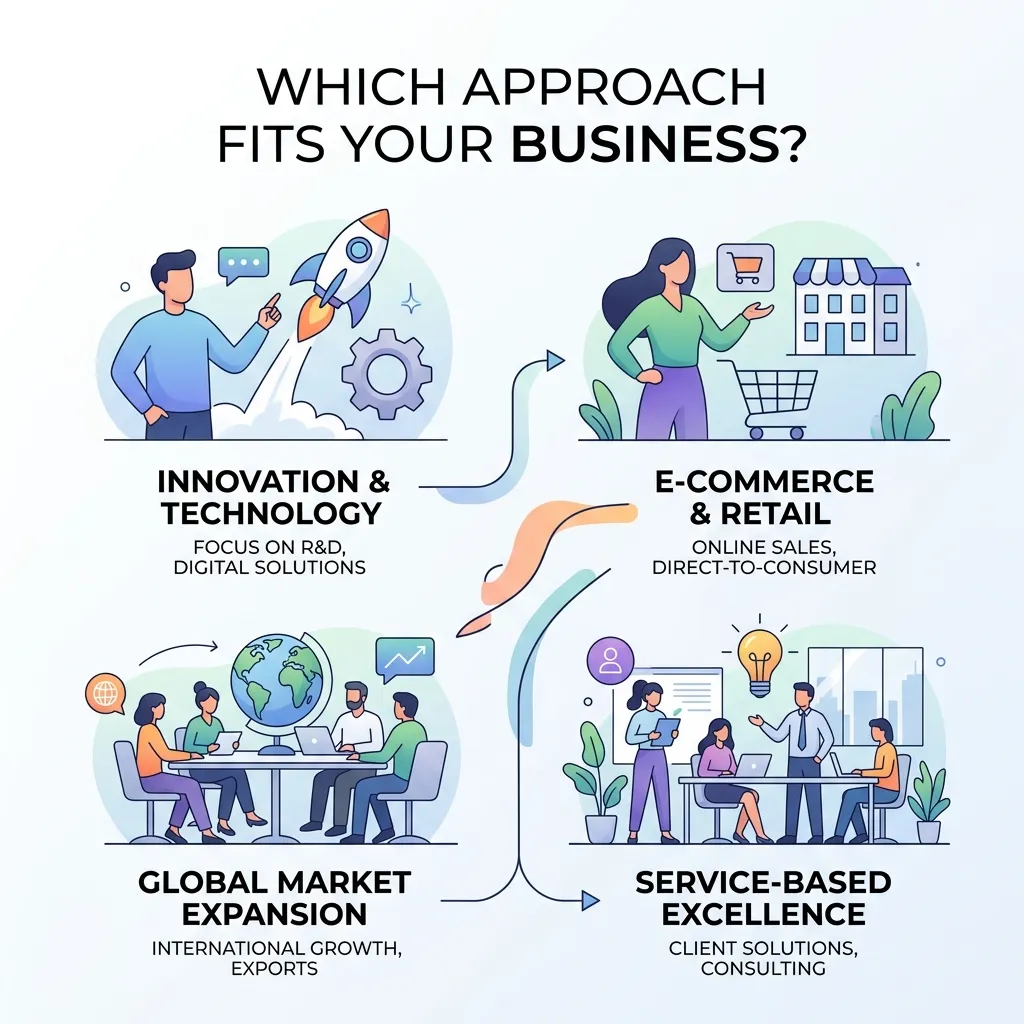
The right balance between customer advocacy and brand advocacy often depends on business model and growth stage. Early-stage companies with a small but highly satisfied customer base frequently see the fastest returns from customer advocacy, since a handful of strong case studies and referrals can meaningfully move the needle on a smaller scale. As a company matures and its customer base grows, brand advocacy tends to become increasingly valuable, since broader awareness and reputation compound in ways that individual referrals alone can’t match at scale.
B2B companies with longer sales cycles often lean more heavily on customer advocacy, since detailed case studies and peer references carry significant weight in complex purchase decisions involving multiple stakeholders. Consumer brands, on the other hand, frequently benefit more from brand advocacy, since purchase decisions tend to be faster and more influenced by broader social proof, community sentiment, and cultural alignment rather than detailed technical validation.
Rather than choosing one approach exclusively, most mature organizations eventually run both in parallel, using customer advocacy to generate concrete proof points and brand advocacy to extend that credibility to audiences who may never interact directly with a customer reference but still respond to broader brand sentiment and employee-driven content.
Common Mistakes When Building Advocacy Programs
- Treating brand advocacy as identical to customer advocacy. Applying customer-focused tactics to a broader audience of employees and community members often falls flat, since their motivations differ significantly.
- Focusing only on customers, ignoring employees. Employee advocacy is frequently underutilized despite often being one of the most credible and cost-effective advocacy channels available.
- Making advocacy feel transactional. Over-emphasizing rewards can shift the perceived motivation from genuine enthusiasm to compensation, reducing the credibility advocacy relies on.
- Measuring only referral counts. Ignoring broader sentiment and brand-level metrics misses much of brand advocacy’s actual impact.
- Neglecting community-building efforts. Advocacy rarely happens in a vacuum — a strong community often serves as the environment where advocacy naturally develops and spreads.
A Simple Example
A software company noticed strong customer satisfaction scores but relatively low referral activity. After separating their advocacy efforts into two distinct tracks — a customer advocacy program focused on case studies and referral incentives for existing users, and a brand advocacy initiative encouraging employees to share company milestones and culture content on social media — they saw growth from two different directions: direct referred leads from satisfied customers, and broader brand awareness and inbound interest driven by authentic employee content reaching audiences the customer program alone never touched.
Conclusion
Customer advocacy and brand advocacy aren’t competing strategies — they’re complementary approaches serving different, equally valuable purposes. Customer advocacy turns satisfied users into a direct source of referrals and credible proof points, while brand advocacy builds broader reputation and awareness through employees, partners, and community members who believe in what a company represents. The strongest advocacy programs recognize this distinction and build deliberate tactics for each, rather than assuming a single approach will naturally cover both. Start by identifying your most satisfied customers for direct advocacy activation, then invest separately in employee and community engagement to build the kind of brand-level advocacy that compounds well beyond any single product experience.
Frequently Asked Questions About Customer Advocacy and Brand Advocacy
1. What’s the main difference between customer advocacy and brand advocacy?
Customer advocacy focuses on customers promoting a product or service based on their personal experiences. Brand advocacy is broader and can include employees, partners, and community members who actively support the company’s mission, values, and identity.
2. Can someone be a brand advocate without being a customer?
Yes. A person does not always need to purchase a product to support a company. Employees, industry partners, community members, and engaged followers can become advocates when they genuinely believe in what the business represents.
3. Is employee advocacy part of brand advocacy?
Yes, employee advocacy is an important part of the broader strategy. Employees who understand and believe in the company’s mission can share its content, values, and achievements with their professional and personal networks, often adding significant credibility.
4. How do you measure customer advocacy?
Common metrics include referral volume, Net Promoter Score (NPS), case study participation, customer reviews, and the conversion rate of referred leads. These measurements help businesses understand how effectively satisfied customers are influencing potential buyers.
5. How do you measure brand advocacy?
Broader indicators can include social share of voice, audience sentiment, employee participation, social engagement, brand mentions, and unaided brand awareness. Together, these metrics show how strongly people recognize and support the company.
6. Is a loyalty program the same as an advocacy program?
No. A loyalty program mainly encourages repeat purchases or continued engagement through rewards and incentives. An advocacy program focuses on encouraging satisfied customers or supporters to actively recommend, share, review, or promote the brand.
7. How is brand advocacy different from affiliate marketing?
Affiliate marketing usually involves a formal partnership where individuals receive compensation for generating sales or referrals. Genuine advocacy is generally driven by personal belief, trust, and enthusiasm rather than direct payment for every recommendation.
8. Should a company invest in both customer and brand advocacy?
Yes. Each approach supports different business goals. Customer-focused efforts can generate referrals, testimonials, and social proof, while broader initiatives can strengthen awareness, reputation, and long-term relationships with different audiences.
9. What’s the risk of over-rewarding advocacy behavior?
Offering excessive rewards can make recommendations appear financially motivated rather than genuine. When audiences believe someone is promoting a company mainly for compensation, the trust and credibility behind the recommendation may decrease.
10. How do you find brand advocates who aren’t current customers?
Look beyond your existing customer base. Industry partners, community members, employees, social media followers, and people who regularly engage positively with your content or mission can all become potential advocates.
11. Does community building support advocacy efforts?
Yes. Strong communities create an environment where people can connect around shared interests, values, and experiences. When members feel a sense of belonging, they are more likely to voluntarily discuss, recommend, and support the company.
12. What’s the biggest mistake companies make when building advocacy programs?
One of the biggest mistakes is treating customer advocacy and brand advocacy as the same thing. Different groups have different motivations and relationships with a company, so using identical messaging and tactics may reduce the effectiveness of both programs.
To explore specific tactics further, see our customer advocacy examples for inspiration, or review how to measure brand advocacy program success to benchmark your current efforts.