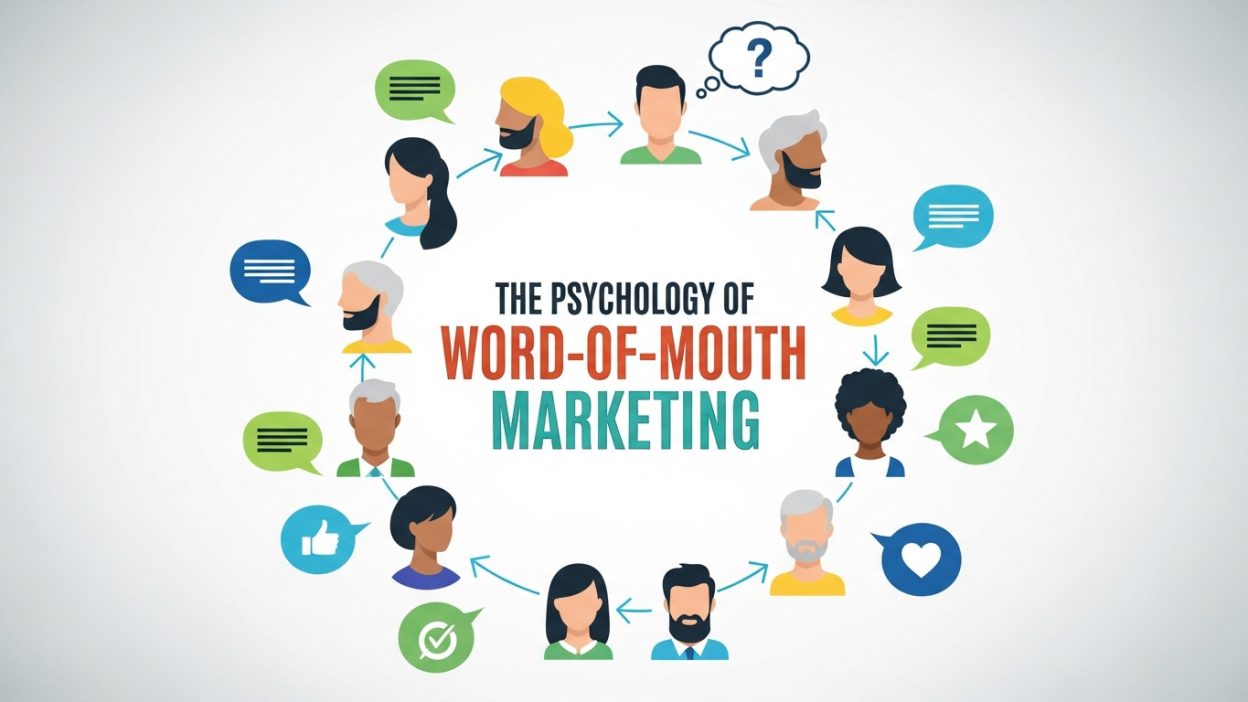
Word-of-mouth marketing thrives on trust, emotion, and social influence. People recommend brands when experiences are memorable, valuable, and easy to share. Psychological triggers like surprise, reciprocity, identity, and social proof drive organic conversations. Businesses that design remarkable customer journeys and remove sharing barriers can build powerful advocacy systems that generate sustainable growth without relying heavily on advertising.
The most effective way to grow a business is still through word-of-mouth marketing. When someone tells a friend, “You must try this restaurant,” or praises an app that changed their workflow, it feels real and trustworthy. This personal recommendation carries more weight than paid ads because it comes from genuine human experience. The psychology of word-of-mouth shows that people believe people—not promotions—and that trust creates powerful brand advocacy and social proof.
But what drives people to talk about a product? Why do some services attract natural buzz while others fade into silence? Understanding the consumer psychology behind sharing can reshape how brands approach customer engagement and referral marketing.
The Trust Factor: When Referrals Are Personal
The cornerstone of all word-of-mouth marketing is trust. When people hear about new products or services from friends, family or associates, it is received in a different way than traditional advertising.
Studies have shown that 83% of people believe recommendations from friends compared to the 14% who believe brands’ advertisements. This gargantuan difference arises from a number of psychological reasons:
-
Social proof validates decisions.
We humans are hard-wired to turn to others for guidance, particularly when the path forward appears uncertain. Word-of-mouth is proof that a decision is safe, and good. -
Personal connections reduce risk.
If something’s recommended to us by someone we trust, we’d feel less risk in giving it a go. The recommender has, in essence, already pre-screened the option for us. -
Shared experiences create bonds.
A recommendation and adding value: It gives friends a common reference (that further “cements” the relationship with that person).
The Emotional Drivers of Sharing
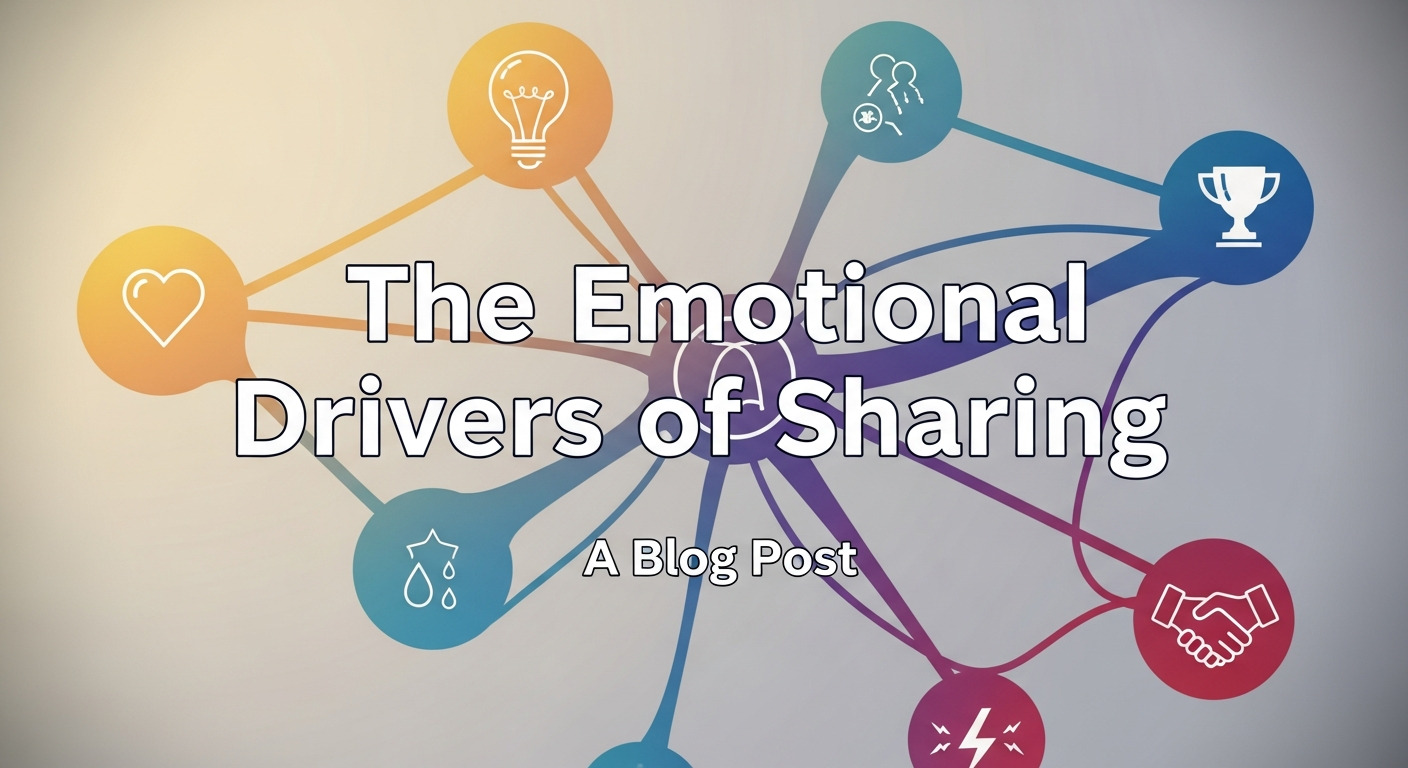
The truth is, people don’t share products or services — they share feelings. The psychology of word-of-mouth marketing is based on emotions which drive us to share our experiences.
Joy and Excitement
Positive emotions are strong drivers of sharing. And when a product or experience brings true joy, people naturally want to share that feeling with others. This is the reason brands in entertainment, travel and lifestyles are able to produce good WOM marketing very often.
The secret is to script moments worthy of celebration. A piece of software that saves hours of tedium, a meal that’s better than you hoped, a service that takes an annoying problem off your plate — all of these can trigger the joy response.
Surprise and Delight
Unexpected positive experiences stick in your mind, and that’s when a prophet must speak. When something is unexpectedly over the top, it makes what psychologists call “peak moments” — experiences that stand out from everyday interactions.
The smart businesses bake these surprises into their customer journey. Two mousse cakes in your room, a surprise morning upgrade, simply going beyond with customer service are shareable moments.
Identity and Status
People share what makes them look good. This isn’t shallow — it’s human nature. If someone is the first to find out about a cool new company before anyone’s ever heard of them, tells a friend about a useful resource, or shares valuable information that will benefit others, they build up social capital.
The ask itself is also heavily influenced by the psychology of word-of-mouth marketing, which typically features customers as the discoverer, the expert, or the helper friend. Products that make people feel ‘in the know’ or like they are being generous in the sharing are more likely to spread organically.
The Social Mechanics of Sharing
Understanding how people talk, recommend, and influence others is central to successful psychology of word-of-mouth marketing. When brands study why and when customers share, they unlock powerful opportunities to increase organic visibility, brand trust, and long-term loyalty. These social triggers explain what motivates people to recommend products and how everyday conversations turn into meaningful brand advocacy without relying on paid advertising.
The Reciprocity Principle
Humans naturally feel compelled to return favors. When brands deliver real value — through expert guidance, superior customer experience, or surprise benefits — people respond with voluntary endorsements and genuine social proof. This emotional trigger fuels organic word-of-mouth marketing, creating a loop of trust and gratitude that continually drives new referrals.
Social Currency & Conversation Starters
People share content that boosts their identity and reputation. Products that are exciting, unique, or highly useful become social influence — great fuel for conversations. Whether it’s innovative product features, exceptional customer support, or problem-solving solutions, these talking points increase audience engagement and spark natural buzz.
Effective referral marketing thrives when brands create stories worth repeating, making sharing feel effortless and rewarding.
The Timing of Sharing
Most recommendations occur during emotional peaks. After a great purchase experience or in the moment of discovery, customers feel excited and eager to talk. That’s why timing becomes a powerful viral sharing trigger:
Real-time interaction:
Capitalizing on peak emotion right after a positive experience encourages instant digital sharing, reviews, and testimonials — strengthening trust signals throughout the customer journey.
Staying top-of-mind:
Consistent, value-driven communication keeps your brand visible. This ensures people think of you first when relevant conversations appear, improving ongoing word-of-mouth reach and customer retention.
Obstacles of Word-of-Mouth Marketing
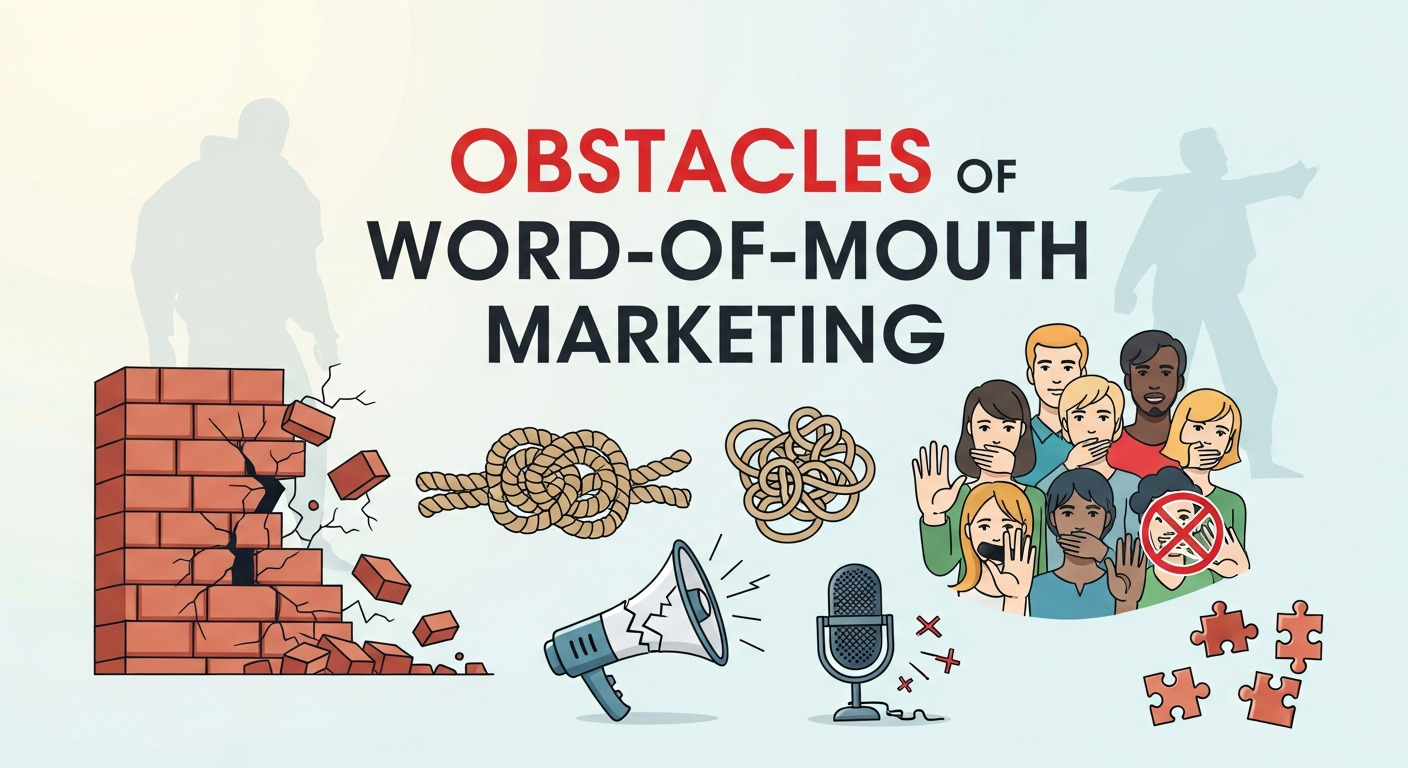
Word-of-mouth marketing can be one of the strongest organic marketing and customer acquisition strategies, but several obstacles can block brand advocacy, reduce customer referrals, and weaken your overall reputation management. To build stronger customer loyalty and more online reviews, you must understand what prevents people from sharing positive experiences.
Cognitive Load
One major barrier to viral marketing and customer engagement is mental effort. If your product or service is hard to explain, people won’t talk about it. Effective WOM marketing simplifies communication with clear messaging, strong customer feedback loops, and easy-to-share value propositions. When you make sharing effortless, referral programs and social sharing improve naturally.
Social Risk
People only recommend brands when they feel confident in their decision. If your offer has doubts around price, product quality, or trust, customers avoid sharing to protect their reputation. To reduce this social risk, build social proof through reviews, testimonials, case studies, and visible customer satisfaction ratings.
Lack of Remarkable Experiences
Most businesses fail to create memorable customer experiences. Without something unique, there’s nothing worth talking about. Strong user experience, customer surprise moments, loyalty rewards, and standout service quality encourage people to share stories voluntarily. These remarkable moments lead to more organic referrals, customer storytelling, and online brand mentions.
Building Authentic WOM Marketing Strategies
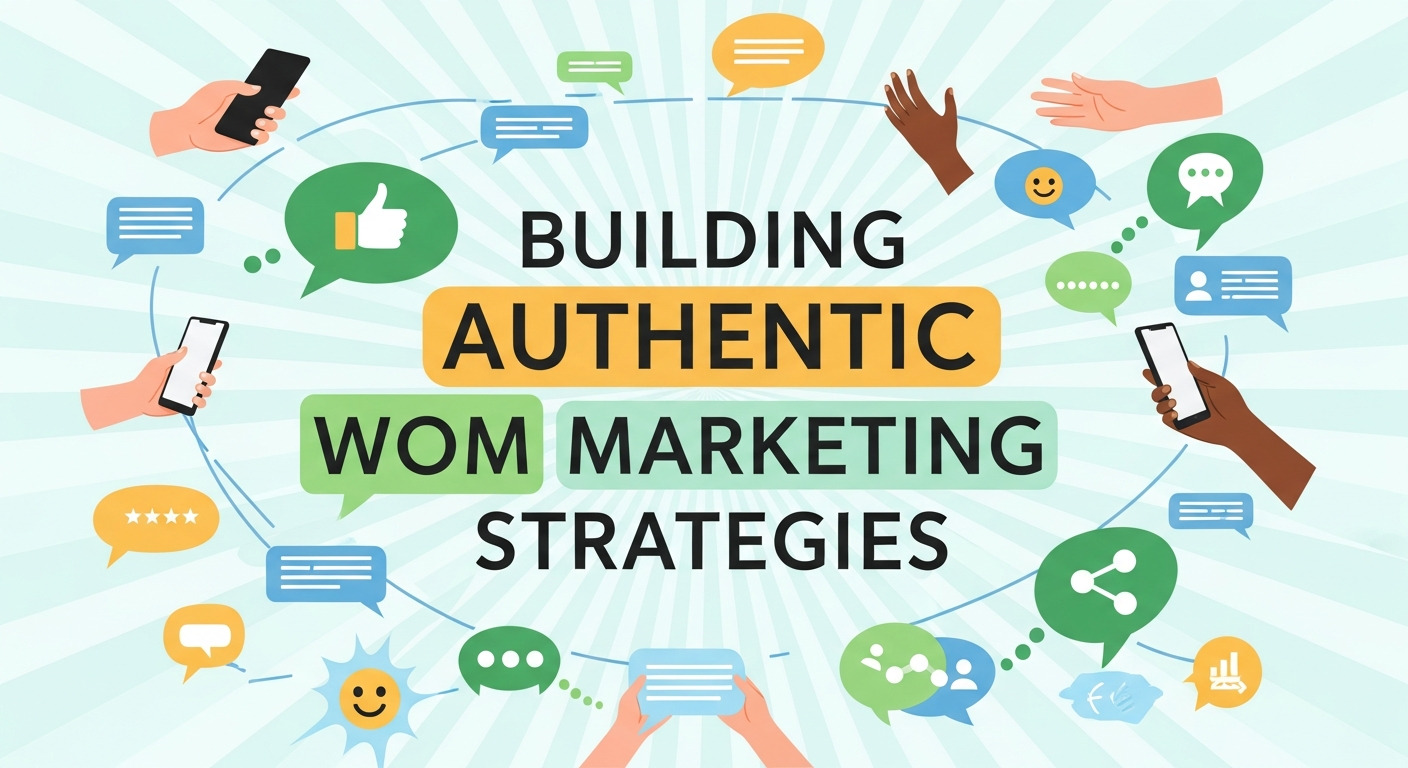
Building authentic word-of-mouth marketing strategies requires more than just tools and promotions. It starts with real customer satisfaction, strong brand values, and genuine communication. When people feel emotionally connected to a business and trust its quality, recommendations spread naturally. The goal is to create experiences that people truly want to talk about—not because they are pushed, but because they are impressed.
Focus on Customer Success
-
Improve overall customer experience to boost natural word-of-mouth referrals
-
Deliver strong product value so customers feel confident recommending you
-
Strengthen customer loyalty and retention through quality service
-
Use review insights to improve your brand reputation continuously
Create Shareable Moments
-
Add memorable interactions that trigger organic word-of-mouth sharing
-
Celebrate customer milestones to inspire social media mentions
-
Encourage user-generated content during positive experiences
-
Build emotional storytelling moments to improve brand advocacy
Make Sharing Easy
-
Add simple referral tools to increase customer referrals
-
Offer direct links to leave online reviews across channels
-
Add share buttons to promote social proof and recommendations
-
Reduce friction in the referral flow to increase conversion rates
Listen and Respond
-
Monitor brand mentions using social listening tools
-
Track customer feedback for stronger online reputation management
-
Respond quickly to build trust and enhance brand credibility
-
Use insights to improve messaging and increase customer engagement
The Role of Digital Platforms
Today, word-of-mouth marketing may not look like face-to-face communication. Sharing is amplified and accelerated by digital platforms, but the motivations are the same.
Social Media Amplification
Social networks provide more people with more opportunities to share and find large audiences. But still — it has to be inspired by actual experience and feeling. Compelled/facilitated sharing is often perceived to be inauthentic, rendering it ineffective.
Review Platforms
Word of mouth marketing in a structured format is online review. The psychology of writing reviews is similar to talking face to face — people want to help others and have strong emotions at play, but need to process their experiences, too.
Digital Word of Mouth Patterns
Sharing online is all too predictable. People share right after experiences, in timely conversations, or after they’re asked in follow-up communications. Analyzing these patterns may assist companies to better tailor their word-of-mouth marketing strategy via digital media.
How to Measure Word-of-Mouth Marketing Success
An effective WOM marketing strategy means measuring both quantitative and qualitative efforts.
Quantitative Measures
-
Net Promoter Score (NPS)
-
Volume of brand mentions on social
-
Number of shares and referral traffic
-
Review and rating volume
Qualitative Insights
What people share matters as much as how frequently they share. When we could analyze the language that customers used and then read their stories, what really resonated, it’s then we see what we replicate — what’s actually working in our advertisements.
Long-term Relationship Building
Word-of-mouth marketing success takes time to measure. Developing a base of happy customers who frequently pass along good experiences generates a compound return that only compounds faster as time moves along.
Turning Psychology into Practice
The psychology of word-of-mouth marketing provides the necessary direction for companies equipped for a commitment to genuine human interaction.
Begin to look at your existing customer experience from a sharing perspective:
-
What moments are worth talking about?
-
Where do clients get results?
-
What is surprising and delightful about your service?
First things first: Build the real value, not the sharing mechanism. When customers have a good experience to share, they find ways to do that. Your task is to make those remarkable experiences consistently easy to describe.
Conclusion
Word-of-mouth marketing succeeds when businesses understand human psychology. Trust, emotion, identity, and memorable experiences drive organic conversations far more effectively than paid ads. Brands that prioritize customer satisfaction, create shareable moments, and simplify referral paths unlock sustainable growth powered by real human advocacy. In the digital era, WOM spreads faster than ever, but its foundation remains unchanged: authentic value people genuinely want to talk about.