Understanding Augmented Reality in Modern Marketing

Defining AR and Its Core Capabilities
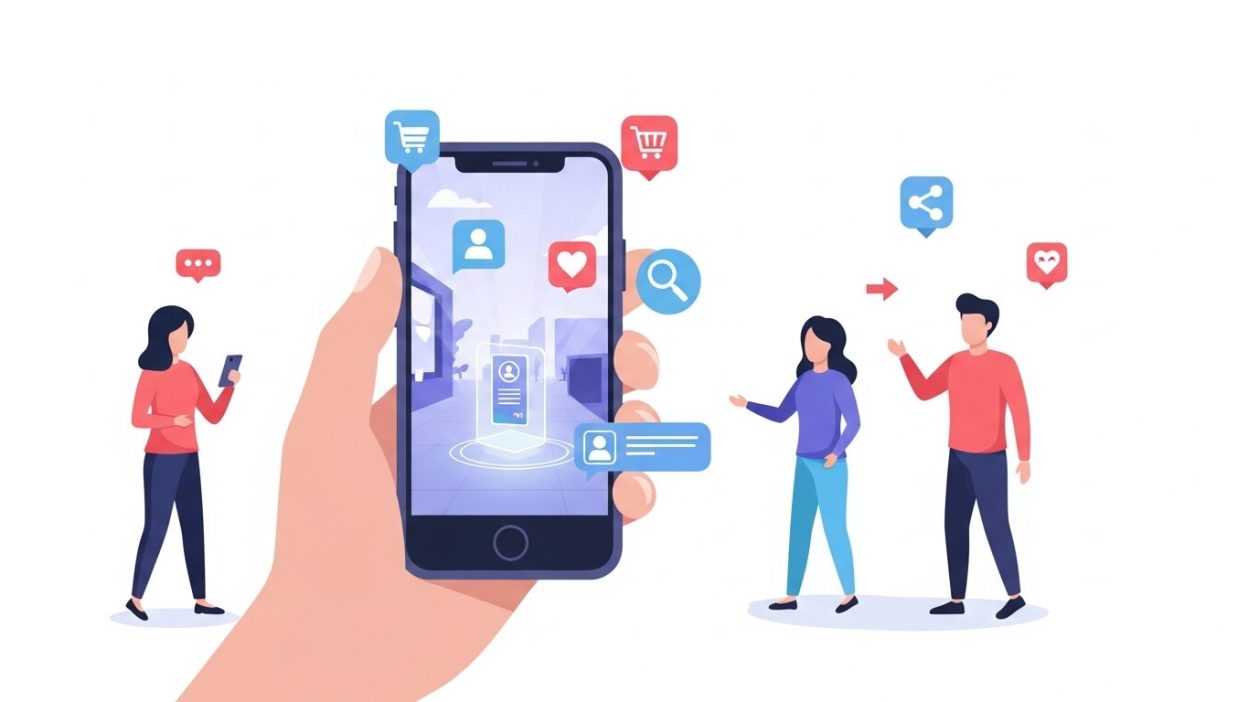
Augmented reality overlays digital objects—such as 3D models, animations, filters, and interactive elements—onto a user’s real-world environment using devices like smartphones, tablets, or AR glasses. Unlike virtual reality, which fully replaces the physical environment, AR enhances what users already see by adding contextual and interactive digital layers in real time.
This capability allows brands to deliver highly personalized and situational content at scale. For example, a cosmetics brand can let users virtually try different lipstick shades on their own face, while a furniture retailer can help customers visualize how a sofa fits within their actual living space. These experiences feel intuitive because they blend naturally into everyday environments.
When used strategically in Augmenting WOM Marketing, AR transforms ordinary product interactions into memorable digital experiences. These interactions are not only useful but also entertaining, which encourages users to explore longer and share their experiences with others. This combination of utility and novelty significantly increases engagement and organic word-of-mouth potential.
User Engagement and Brand Experiences
Modern consumers no longer respond strongly to static or passive content—they expect interactive, immersive, and personalized experiences. By implementing interactive AR campaigns, brands can allow users to actively engage with digital elements, such as rotating 3D objects, unlocking hidden features, participating in gamified challenges, or triggering location-based surprises in the real world.
This deeper level of interaction creates stronger emotional involvement. When users customize an experience or complete an AR-based challenge, they form a memorable and positive association with the brand. These experiences feel personal and rewarding, which naturally increases the likelihood of sharing.
Within the context of Augmenting WOM Marketing, this engagement becomes especially powerful. Users are more inclined to talk about and showcase experiences that feel unique or innovative. Whether shared through social media posts, short videos, or direct conversations, these moments turn customers into active brand promoters—driving organic reach without relying on paid advertising.
How AR Amplifies Word-of-Mouth Dynamics
Immersive Engagement Leading to Organic Sharing
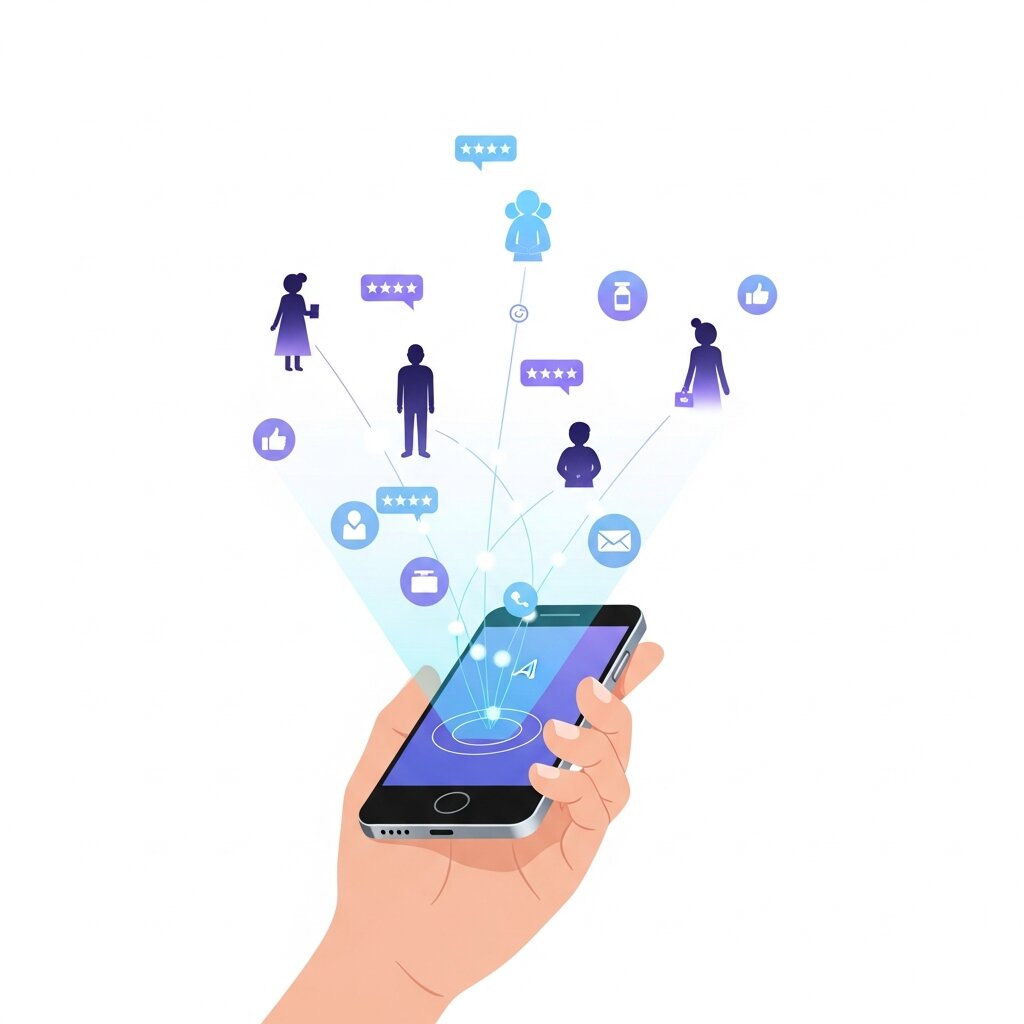
Interactive AR campaigns captivate users by offering novelty and a sense of discovery. When a user uncovers a hidden 3D character at a retail store or watches an AR filter transform their face in real time, the thrill is inherently shareable. Organic sharing spikes because people love to showcase new tech experiences and unique visual effects. Research from MIT Reality Lab indicates that immersive content can increase social sharing rates by up to 30% compared to traditional videos or images.
Interactive AR campaigns captivate users through novelty and discovery. When users unlock digital layers in the real world, the experience feels naturally shareable.
This is a core principle behind AR brand activation experiences, where physical interaction drives digital conversation.
Emotional Connections and Lasting Advocacy
Beyond novelty, augmented reality can create deep emotional connections when it aligns with a user’s identity, interests, or personal aspirations. Through personalized filters, branded lenses, and location-based AR experiences, brands can design interactions that feel tailored rather than generic. This personalization helps users see themselves within the experience, which strengthens emotional relevance and engagement.
When applied within Augmenting WOM Marketing, AR becomes more than just an attention-grabbing tool—it turns into a relationship-building channel. By allowing users to actively shape their experience, such as customizing virtual products, unlocking achievements, or participating in AR scavenger hunts, brands create a strong sense of ownership and involvement.
This feeling of ownership naturally leads to stronger advocacy. Users who feel emotionally invested in an AR experience are far more likely to share it with friends, post it on social media, or recommend it in conversations. These peer-to-peer recommendations carry high trust and significantly amplify word-of-mouth impact, helping brands build lasting loyalty and organic reach.
AR becomes more powerful when it aligns with user identity and personalization. These experiences build emotional depth, increasing long-term advocacy.
For broader context on evolving engagement models, see future of AR marketing.
Real-World Examples of Interactive AR Campaigns
Virtual Try-Ons in Retail Environments
Several fashion retailers have led the way by integrating AR try-on tools into their mobile apps. Users can point their camera at themselves and overlay garments or accessories in real time. A global clothing chain saw a 25% lift in engagement when they introduced an AR mirror feature that let shoppers experiment with outfit combinations virtually. Shoppers then shared short video clips of their virtual outfits on Instagram Stories, adding branded hashtags and driving conversations about fit, style, and innovation.
Event Activation Through Geolocated AR Games
In festival settings, beverage and consumer brands are deploying city-wide AR scavenger hunts to turn attendees into brand champions. Participants open a branded app, navigate to designated spots, scan a QR code, and unlock AR filters or digital collectibles. Each shareable selfie includes event-specific overlays and hashtags. A recent campaign generated over 5,000 user-generated posts in a single weekend, with impressions climbing into the millions organically. These interactive AR campaigns often integrate with popular social channels, minimizing friction and maximizing reach.
Blueprint for Crafting Interactive AR Campaigns

Setting Clear Objectives
Any successful interactive AR campaign begins with defining measurable goals. Are you aiming to boost brand awareness, drive foot traffic, or generate user-generated content? Clear objectives guide creative decisions, helping you choose the right AR format and distribution channels. For example, when seeking social buzz, face filters with branded stickers and share prompts perform well. Conversely, immersive world-placement effects may be better suited for in-store engagement and time-on-site metrics.
Brands often combine this approach with structured frameworks like creating effective referral systems to ensure measurable outcomes.
Choosing AR Formats and Platforms
There are multiple AR formats to consider, each with distinct advantages. Spark AR Studio and Snap Lens Studio enable quick creation of face filters and lens effects for Instagram, Facebook, and Snapchat. Web-based AR services like 8th Wall allow experiences to launch directly from a URL, eliminating app-download barriers. For highly custom or location-aware campaigns, Unity with AR Foundation offers full creative control on iOS and Android. Align platform choice with your audience’s habits—if they gravitate toward TikTok, consider tools that easily export to that channel.
Incorporating Shareable Elements
To spark word-of-mouth, embed clear sharing prompts within the AR experience. Branded frames, call-to-action overlays, and custom hashtags encourage users to post their creations online. Gamification elements—such as scoreboards, badges, or unlockable content—can motivate users to invite friends, turning each participant into a mini-ambassador. Reward participants for sharing by offering discount codes or entry into sweepstakes, reinforcing advocacy with tangible value.
This is strongly connected to micro advocacy strategies, where small user actions collectively drive large-scale brand visibility.
Ensuring Accessibility and Inclusion
Eliminate friction by optimizing load times and minimizing required permissions. WebAR experiences often prove more accessible than app-based solutions, as there’s no installation barrier. Provide alternative experiences for users on older devices and ensure captions or audio descriptions accompany immersive content for users with hearing or visual impairments. Prioritizing accessibility demonstrates brand responsibility and broadens your campaign’s reach.
Evaluating ROI and Emerging Trends
Key Performance Indicators for AR Marketing
Measuring success requires tracking metrics that reflect both engagement and conversion. Core KPIs for interactive AR campaigns include the number of AR sessions launched, average session duration, interactions per session (taps, rotations, captures), and social shares tagged with your campaign hashtag. Conversion lift can be gauged through unique promo code redemptions or increased site visits correlated with AR activations. Additionally, sentiment analysis of user comments provides qualitative insight into how the experience resonates.
Budgeting and Timeline Considerations
Interactive AR campaigns can span a wide budget spectrum. Simple face filters built in Spark AR Studio may roll out in 2–4 weeks with costs under $5,000, while custom Unity-based experiences with geolocation features can require 3–6 months and budgets exceeding $50,000. Align your scope with objectives and allocate resources for creative development, platform integration, testing, and promotion across channels (email, SMS, influencer partnerships).
Emerging Technologies and Future Directions
As AR hardware and software mature, new possibilities emerge for immersive word-of-mouth marketing. Wearable AR glasses promise hands-free interactions at events and retail locations. Brands are experimenting with AR shopping walls—interactive storefront displays that trigger digital demos when scanned. In academic circles, researchers at the Stanford Virtual Human Interaction Lab are exploring social dynamics in mixed-reality environments, laying groundwork for metaverse-integrated campaigns. Keeping a pulse on these trends ensures your brand stays ahead of the curve in today’s competitive landscape.
Frequently Asked Questions
What types of AR campaigns are most shareable?
In Augmenting WOM Marketing, face filters and gamified AR experiences are usually the most shareable because they offer instant, fun, and personalized interactions. These experiences are easy for users to capture, post, and share on social media, which naturally increases organic reach.
How do I measure the ROI of an AR campaign?
To evaluate ROI in Augmenting WOM Marketing with AR, track metrics like AR session launches, engagement time, interactions per session, and social shares using campaign hashtags. Combine these with business outcomes such as conversions, promo code usage, and website traffic to understand overall performance.
What budget should I allocate for an AR campaign?
In Augmenting WOM Marketing strategies, budget depends on complexity. Simple AR filters may cost under $5,000 and take a few weeks, while advanced geolocation or 3D immersive experiences can exceed $50,000 and require several months of development. Your budget should align with campaign goals and technical requirements.
What is Augmenting WOM Marketing?
Augmenting WOM Marketing is a strategy that enhances traditional word-of-mouth marketing using technologies like augmented reality. It focuses on creating immersive, interactive experiences that encourage users to naturally share and recommend brands.
How does AR improve word-of-mouth marketing?
Augmenting WOM Marketing is a strategy that enhances traditional word-of-mouth marketing using technologies like augmented reality. It focuses on creating immersive, interactive experiences that encourage users to naturally share and recommend brands through engagement and personalization.
Why are interactive AR campaigns effective for marketing?
Interactive AR campaigns are effective because they actively involve users instead of passively showing content. This participation creates stronger emotional impact, which increases the chances of users sharing the experience with their networks.
What types of AR campaigns work best for engagement?
Campaigns like virtual try-ons, branded face filters, gamified challenges, and location-based AR experiences tend to perform best. These formats are fun, personalized, and easy for users to share on social media.
How does AR influence customer behavior?
AR influences behavior by building curiosity, emotional connection, and trust. When users can preview or interact with products virtually, they feel more confident and are more likely to recommend the brand.
What platforms are used for AR marketing?
Common platforms include Spark AR for Instagram and Facebook, Snapchat Lens Studio, WebAR tools like 8th Wall, and Unity for advanced AR experiences. Each platform supports different levels of complexity and reach.
How do AR campaigns generate user-generated content?
AR campaigns encourage users to capture screenshots, videos, or selfies with branded effects. These are often shared on social media using hashtags, creating organic promotion for the brand.
What metrics measure AR marketing success?
Success is measured using engagement rate, number of AR interactions, session duration, shares on social media, and conversion metrics such as clicks or purchases driven by AR campaigns.
Is AR marketing expensive to implement?
It depends on complexity. Simple AR filters are relatively affordable and quick to build, while advanced AR experiences with 3D environments or location-based features require more time and budget.
How does AR increase brand awareness?
AR increases awareness by encouraging users to share unique and interactive experiences. These shared moments reach new audiences organically, expanding brand visibility without heavy ad spend.
What role does gamification play in AR campaigns?
Gamification adds elements like challenges, rewards, and leaderboards to AR experiences. This increases user participation and motivates people to share their achievements with others.
Can AR work for small businesses?
Yes, small businesses can use simple AR tools like filters or WebAR experiences to engage customers without large budgets. These tools help create memorable and shareable brand interactions.
Conclusion
Augmenting WOM Marketing with interactive AR campaigns is redefining how brands engage audiences in the digital age. When combined with strategies like word-of-mouth vs paid ads comparison and micro-influencer marketing approaches, AR becomes a powerful catalyst for organic growth.. By understanding core AR principles, aligning campaign formats with clear objectives, and embedding shareable elements, marketers can design experiences that resonate deeply and spread organically across audiences.
Consistent performance tracking ensures ongoing optimization, while exploring emerging trends—such as wearable AR and metaverse integrations—helps brands stay ahead in a rapidly evolving digital landscape. In today’s competitive environment, embracing Augmenting WOM Marketing with interactive AR campaigns is no longer optional; it is essential for building meaningful engagement, sparking real conversations, and cultivating strong communities of loyal brand advocates.