

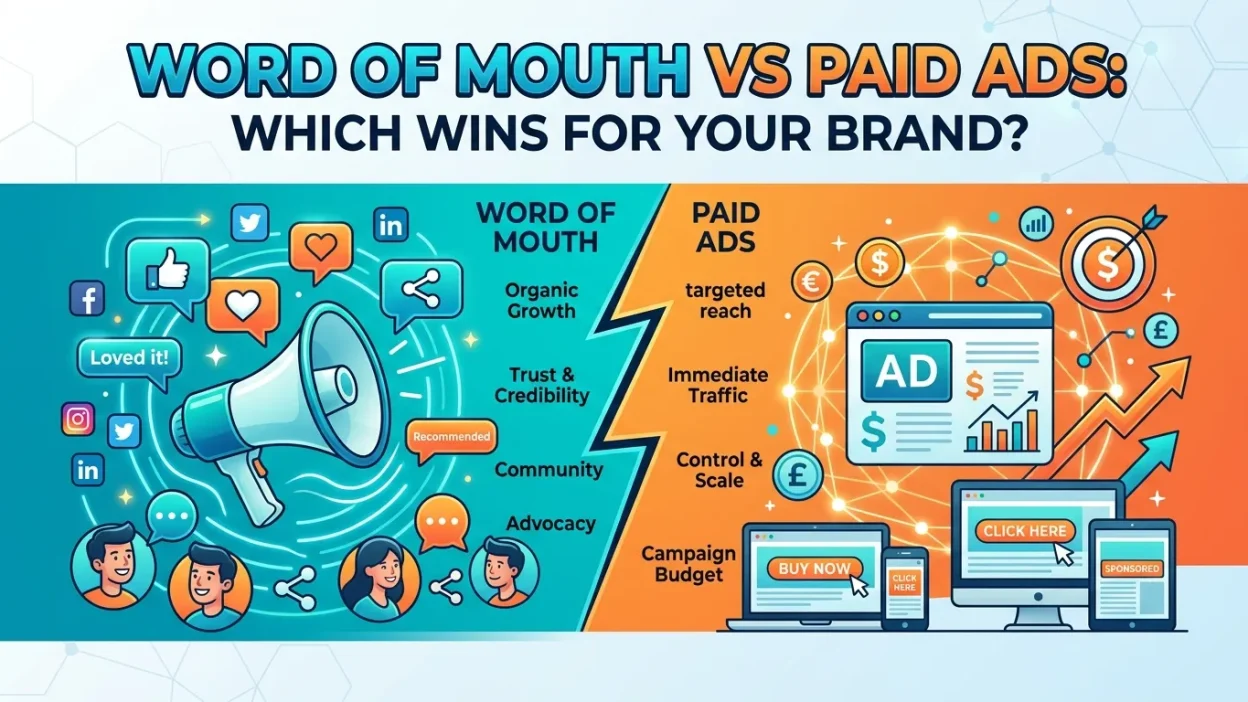
Word of mouth marketing relies on people recommending your brand to others, while paid ads involve buying placements to reach an audience. Word of mouth tends to build deeper trust and delivers stronger long-term ROI, while paid ads offer speed, scale, and precise targeting. The best approach usually blends both.
Every business faces the same question at some point: should you invest in getting people to talk about you, or pay to put your message in front of them? Both paths can grow a brand, but they work in very different ways.
Word of mouth marketing (WOM) spreads through real conversations—a friend raving about a restaurant, a colleague sharing a tool that saved them hours, a glowing review left online. Paid advertising buys attention directly, whether through search ads, social media campaigns, or display banners.
This post breaks down how these two approaches compare across trust, cost, speed, and return on investment. You’ll learn the strengths and weaknesses of each, when to lean on one over the other, and how to combine them for the best results.
What is word of mouth marketing?
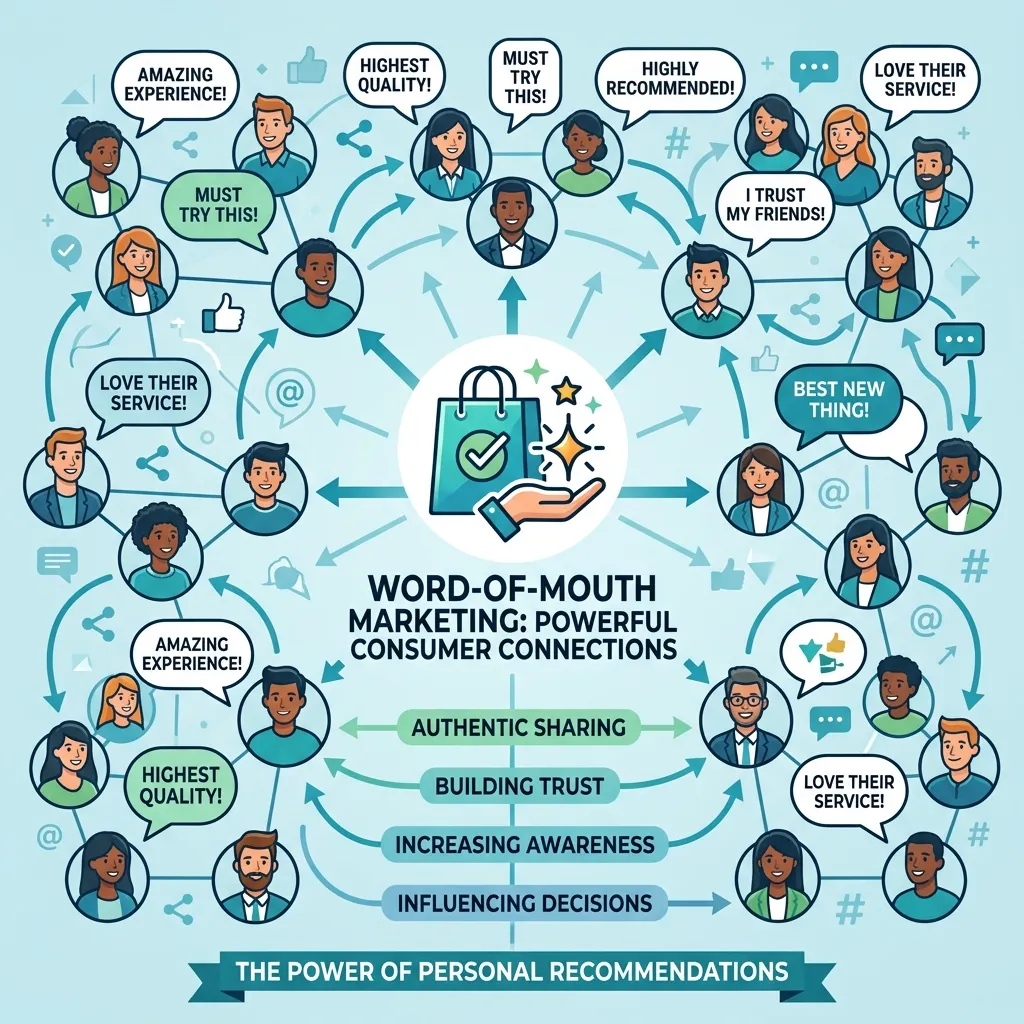
Word of mouth marketing is when customers share their experiences with your brand and influence others to try it. These recommendations can be spontaneous or encouraged through referral programs, reviews, and shareable content.
Modern strategies often focus on building customer advocacy strategies that turn buyers into brand promoters, helping businesses scale organic recommendations more intentionally.
WOM falls under the broader umbrella of organic marketing, which means growth that happens without directly paying for placement. It’s closely tied to earned media—the coverage and attention your brand receives because people choose to talk about it, not because you paid for it.
Common forms of word of mouth marketing include:
- Personal recommendations: A customer telling a friend about your product
- Online reviews: Ratings and comments on Google, Yelp, or app stores
- Social sharing: People posting about your brand on their own accounts
- Referral programs: Incentives that reward customers for bringing in new ones
- User-generated content: Photos, videos, and testimonials created by customers
The power of WOM comes from its source. When a recommendation comes from a trusted friend rather than a brand, people listen.
What is paid advertising?
Paid advertising is any marketing where you pay to place your message in front of an audience. You control the content, the timing, and the targeting—but the moment you stop paying, the visibility usually stops too.
Paid media covers a wide range of channels:
- Pay-per-click (PPC) ads: Search ads where you pay each time someone clicks
- Social media ads: Sponsored posts on platforms like Facebook, Instagram, and LinkedIn
- Display ads: Banner ads shown across websites and apps
- Video ads: Pre-roll and in-stream ads on platforms like YouTube
- Sponsored content: Paid placements in newsletters, blogs, or publications
The biggest draw of paid advertising is control. You decide who sees your message, where, and when. That makes it a fast way to reach new audiences and test ideas.
Word of mouth vs paid ads: how do they compare?
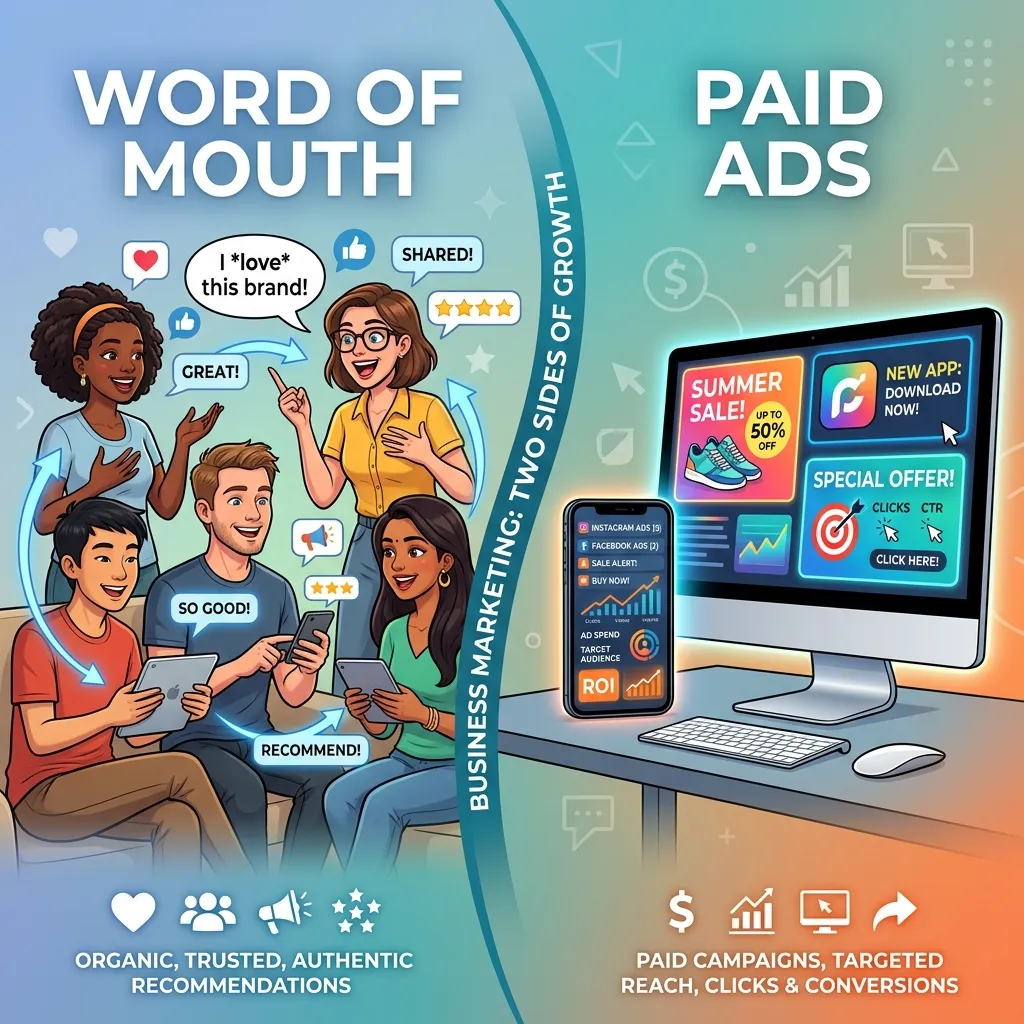
Here’s a side-by-side look at how the two approaches stack up across the factors that matter most.
Which builds more trust?
Word of mouth wins decisively on trust. People are naturally skeptical of advertising because they know it’s designed to sell. A recommendation from someone they know carries far more weight than a polished ad.
Reviews and testimonials sit somewhere in the middle. They’re not as personal as a direct recommendation, but they’re seen as more credible than branded messaging because they come from real customers.
Word of mouth wins on trust because people believe recommendations from real users more than ads. This is deeply rooted in the psychology of word of mouth marketing and human decision-making.
Paid ads can build trust over time through consistent, quality messaging—but they start from a position of skepticism. Choose word of mouth if earning genuine trust is your top priority.
Which is faster to launch and scale?
Paid advertising is the clear winner for speed. You can set up a campaign and start reaching thousands of people within hours. Need to reach a new market or push a time-sensitive promotion? Paid ads make that possible almost instantly.
Word of mouth, by contrast, takes time to build. You need happy customers first, and those recommendations spread gradually. There’s no shortcut to building a reputation worth talking about.
Choose paid ads if you need results quickly or are working against a tight deadline.
Which costs less?
The cost comparison isn’t straightforward. Paid advertising has obvious, ongoing costs—you pay for every click, impression, or placement, and those costs continue as long as your campaigns run.
Word of mouth has lower direct costs, but it isn’t free. Building a brand worth recommending requires investment in product quality, customer experience, and sometimes referral incentives. The difference is that WOM compounds. A single delighted customer can generate referrals for years without additional spend.
For businesses with limited budgets, organic marketing through word of mouth often stretches further. For those with money to spend and a need for predictable reach, paid ads deliver.
Which delivers better ROI?
Return on investment depends heavily on your goals and timeframe.
Word of mouth and referral marketing tend to produce higher-value customers. Referred customers often have higher retention rates and lifetime value because they arrive with built-in trust. Since the cost of acquiring them is low, the ROI can be substantial over time.
Paid ads offer measurable, immediate ROI that’s easy to track. You can see exactly what you spent and what you earned from a campaign. The trade-off is that ROI can shrink as ad costs rise and competition increases.
Choose referral marketing and word of mouth if long-term ROI matters more than short-term predictability. Choose paid ads if you need clear, trackable returns on a defined budget.
Which is easier to measure?
Paid advertising is far easier to measure. Platforms give you detailed data on impressions, clicks, conversions, and cost per acquisition. You can attribute results directly to specific campaigns.
Word of mouth is notoriously hard to track. How do you measure a conversation that happened over coffee? Tools like referral codes, post-purchase surveys, and review tracking help, but you’ll never capture every recommendation. This lack of visibility is one of WOM’s biggest drawbacks.
The benefits of word of mouth marketing over paid ads
Word of mouth offers several advantages that paid channels struggle to match:
- Higher trust and credibility: Recommendations from real people carry more weight than any ad
- Lower long-term cost: Once momentum builds, referrals keep coming without ongoing spend
- Better customer quality: Referred customers tend to stay longer and spend more
- Compounding growth: Each satisfied customer can bring in more customers over time
- Authenticity: WOM feels genuine in a way that paid messaging rarely does
The catch is that you can’t fully control word of mouth. You can encourage it, but you can’t force it—and negative experiences spread just as quickly as positive ones.
The benefits of paid advertising over word of mouth
Paid advertising brings its own clear strengths:
- Speed and immediacy: Reach a large audience almost instantly
- Precise targeting: Show ads to specific demographics, interests, and behaviors
- Full control: Dictate the message, timing, and placement
- Scalability: Increase budget to reach more people on demand
- Measurable results: Track performance down to individual clicks and conversions
The downside is dependency. Paid traffic stops the moment you stop paying, and costs tend to climb as more advertisers compete for the same audiences.
When should you use word of mouth vs paid ads?
Neither approach is universally better. The right choice depends on your situation.
Lean into word of mouth when:
- You have a product or service people genuinely love
- Your budget is limited
- You’re playing the long game and want sustainable growth
- Trust is critical to your buying decision (think healthcare, finance, or high-cost purchases)
Lean into paid advertising when:
- You’re launching something new and need fast visibility
- You have a clear budget and want predictable reach
- You’re targeting a specific, well-defined audience
- You need measurable results within a set timeframe
For most businesses, the smartest strategy isn’t choosing one over the other. Paid ads can drive initial awareness and bring in early customers. Those customers, if they have a great experience, then fuel word of mouth that sustains growth long after the ad spend slows.
Combining organic and paid strategies for the best results
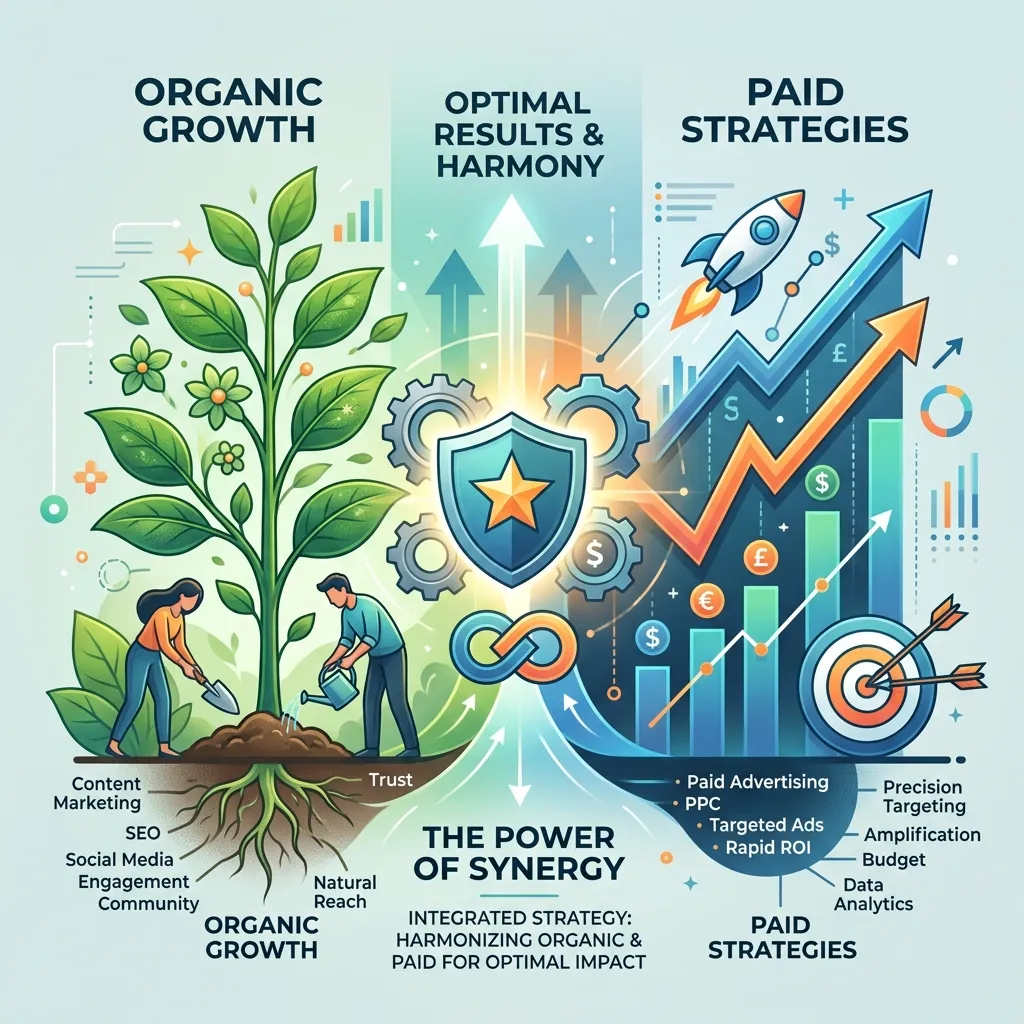
The strongest marketing engines use both approaches together. Here’s how they reinforce each other:
- Use paid ads to spark word of mouth: A well-targeted campaign brings in new customers who go on to recommend you
- Amplify reviews with paid promotion: Turn glowing testimonials into ad creative
- Retarget your advocates: Reach people who’ve already engaged and encourage them to share
- Build referral programs alongside campaigns: Give new customers a reason to spread the word
By blending the speed and scale of paid media with the trust and longevity of word of mouth, you get the best of both worlds—fast growth that becomes self-sustaining over time.
Choosing the right mix for your brand
Word of mouth and paid advertising aren’t rivals so much as partners. Word of mouth delivers trust, loyalty, and compounding returns, while paid ads provide speed, control, and measurable reach. The question isn’t really which one wins—it’s how to use each to its strengths.
Start by looking at your goals, budget, and timeline. If you need quick traction, paid ads can get you there. If you want growth that keeps building on itself, invest in creating experiences worth talking about. And when you can do both, you build a brand that grows fast and lasts.
The best next step? Audit where your current customers are coming from. If most arrive through paid channels, look for ways to encourage referrals. If word of mouth already drives your growth, consider how paid ads could accelerate it.
Many modern brands study influencer vs word of mouth marketing differences to better balance organic and paid growth strategies.
Frequently asked questions
Is word of mouth marketing more effective than paid advertising?
Word of mouth is generally more effective at building trust and generating high-value, loyal customers, while paid advertising is more effective at reaching a large audience quickly. Effectiveness depends on your goal—use word of mouth for sustainable, trust-driven growth and paid ads for speed and scale.
Is word of mouth marketing free?
No. While word of mouth has lower direct costs than paid ads, it still requires investment in product quality, customer experience, and sometimes referral incentives. The advantage is that these investments compound over time, generating referrals without continuous spending.
Can you use word of mouth and paid ads together?
Yes, and most successful brands do. Paid ads can attract new customers who then become advocates, while word of mouth and reviews can be amplified through paid campaigns. Combining both gives you the speed of paid media and the trust of organic recommendations.
Why do people trust word of mouth more than ads?
People trust word of mouth more because recommendations come from sources with no obvious motive to sell, such as friends, family, or fellow customers. Ads are known to be promotional, so audiences approach them with more skepticism than they do a personal recommendation.
Which has better ROI: referral marketing or paid ads?
Referral marketing often delivers better long-term ROI because referred customers cost little to acquire and tend to stay longer and spend more. Paid ads offer more predictable, immediately measurable ROI, but returns can shrink as ad costs and competition rise.


[…] rates and retention once those customers are already in the funnel. Our external comparison of word of mouth versus paid ads for brand growth explores this relationship in more depth, including how businesses can balance investment between […]